Featured Recipe
Buttery Dinner Rolls Twist
By Kate
"
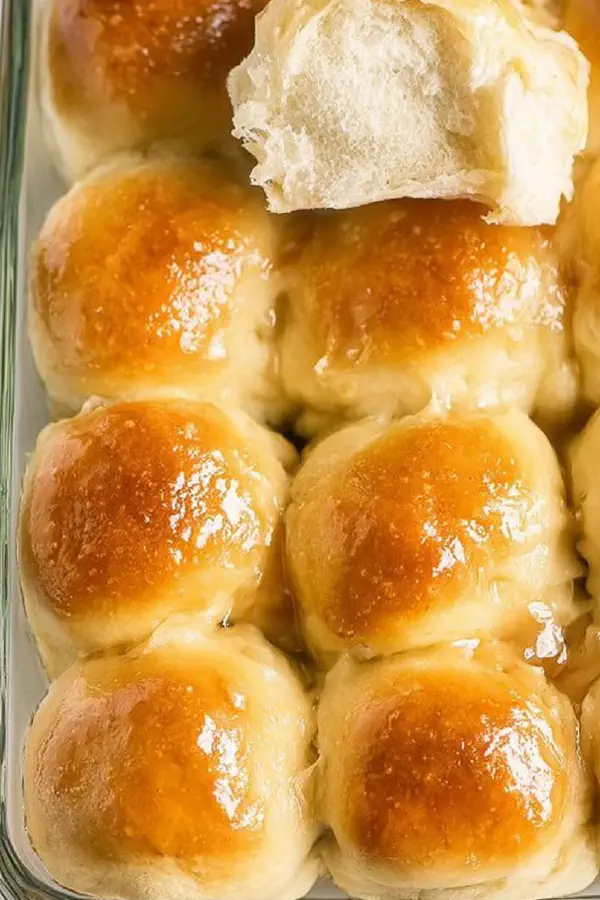
Yeast rolls with softened butter swapped for olive oil, half the sugar replaced by honey. Fluffier crumb, slightly sticky dough, and a subtle honey aroma. Proof twice, knead well, look for tacky but not wet dough ball pulling from bowl edges. Bake golden, tent foil if browning too fast. Brush with garlic herb butter for a savory twist. Dough rises faster due to honey, adjust proof times visually. 20 rolls, warm milk replaced with almond milk for subtle nuttiness and moisture. Rolls stay soft for days when stored airtight, reheat to restore freshness.
"
Prep:
15 min
Cook:
20 min
Total:
1h 30min
Serves:
20 servings
bread
baking
dinner rolls
side dish
Introduction
Doughs like this demand respect. Yeast’s alive, temperamental. Warm almond milk—not too hot, not cold—keeps yeast happy, slow blooms flavor. Honey halves sugar sweetness, adds moisture, speeds fermentation slightly. Olive oil swaps butter for punchier, fruitier note and softer crumb. You’ll want to read dough, not the clock. Sticky’s good, dry ruins everything. Knead till it fights back but doesn’t slap your hand. Rolls need the dough to puff twice, gently, never rushed. Look for jiggle when proofed, announcing live yeast business under surface. Bake to color, not timer; golden tops that resist a gentle press signal done. Butter plus garlic herb finishes give savory depth, just the right shine. They hold soft longer, store airtight doesn’t mean forget them. Reheat smart or lose shoulders to stale street.
Ingredients
In The Same Category · Homemade Breads
Explore all →
Honey Butter Rolls
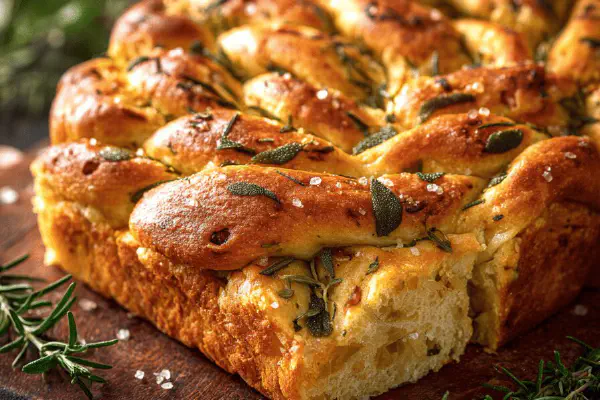
Rosemary Garlic Focaccia Twist
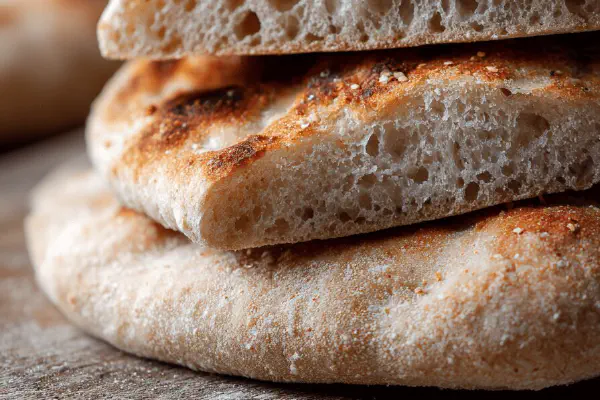
Homemade Rustic Pizza Dough
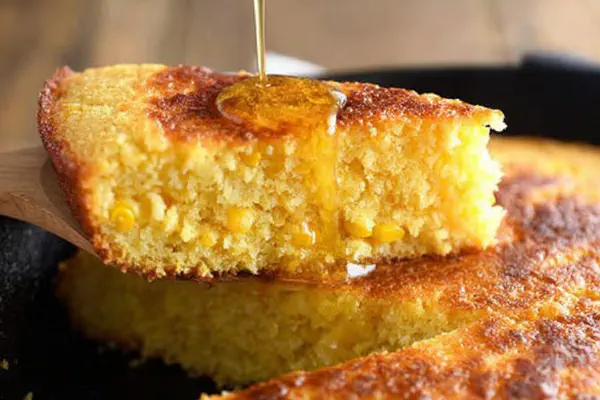
Lazy Skillet Creamed Cornbread
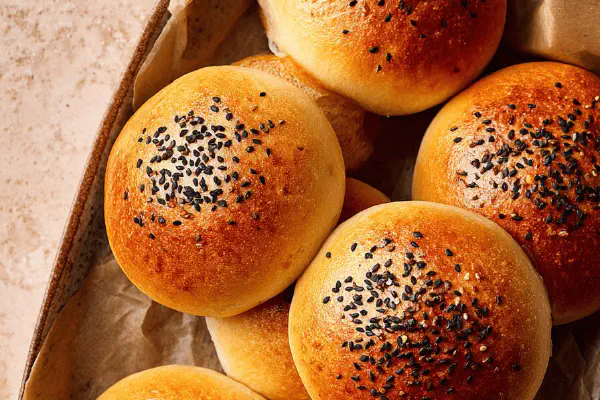
Homemade Burger Buns
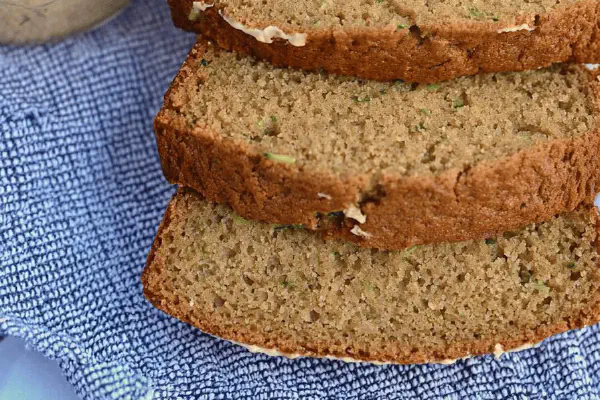
Spiced Apple-Zucchini Loaf
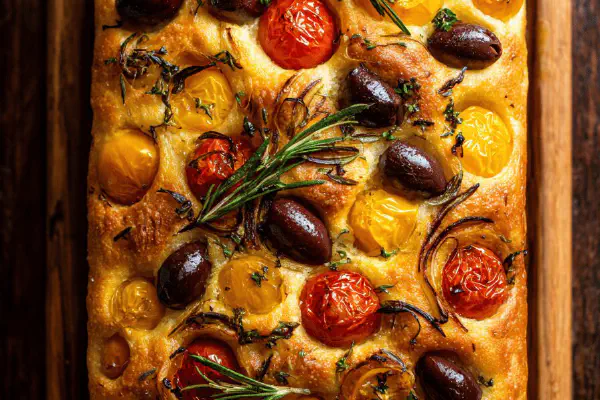
Cherry Tomato Focaccia
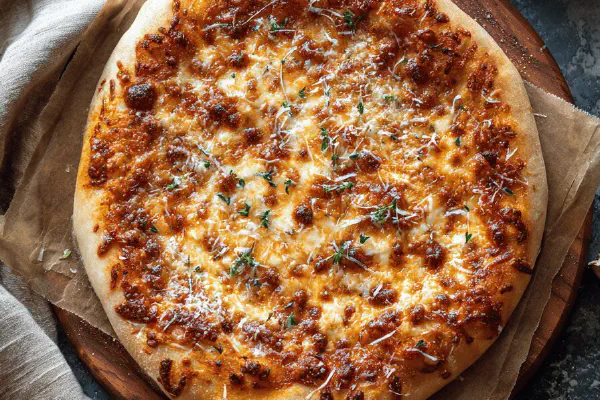
Rustic Pizza Dough
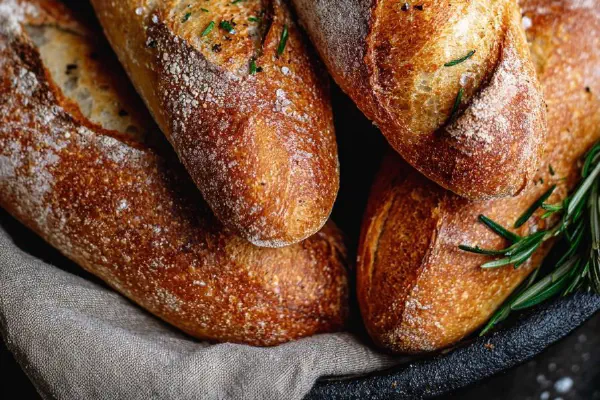
Rustic French Baguettes
Keto Cloud Bread Twist
Garlic Rosemary Pull-Apart Rolls
No-Yeast Potato Bread
Hearty Tex-Mex Cornbread
Twisted Kouglof
Twisted Iron-Crust Cornbread
Basic Vegan Pizza Dough
About the ingredients
Flour type affects hydration and texture; all-purpose works well, bread flour gives chewier chew if preferred. Almond milk mostly swaps dairy richness for nuttiness and keeps lactose-sensitive folks happy. Olive oil replaces butter here, providing moistness and a lingering peppery flavor—can substitute melted butter if classic buttery aroma better suits. Honey adds complex sugars yeast prefers, aids browning, but reduce granulated sugar accordingly to avoid overly sweet rolls. Extra flour doses slow fermentation; add cautiously, dough that’s too dry means tough rolls; too wet means sticky frustrating handling. Garlic herb butter finish—melt butter with crushed garlic and herbs like thyme or rosemary—elevates aroma without overpowering.
Method
Technique Tips
Mix dry ingredients first so yeast won’t clump unevenly—uniform yeast distribution means consistent rise. Adding liquid and fats together, then starting mixer slow prevents dust clouds. Dough hook kneads effectively, look for elasticity looking like windowpane test for gluten development, but don’t overwork—overkneaded dough snaps back overly tight, underkneaded won’t rise enough. Incorporate extra flour in stages to monitor dough texture; stickiness is key indicator but not pooly wet. Twice proofing relaxes gluten for soft nature; cover with slightly damp towel to avoid crust forming during rising. Rolls should almost double but not overproof or they won’t hold shape well when baked. 375F standard mid-range temperature; hotter burns crust before interior fully bakes, cooler yields pale crust. Tent foil tricks keep tops from scorching but retain oven’s radiant heat. Immediate butter brushing softens crust and seals moisture. Store rolls sealed airtight prevents air drying; reheating wrapped warm quickly softens crumb without sogginess.
Chef's Notes
- 💡 Check dough texture. Tacky but not wet means good. Flour can vary. Slow addition key. Too dry? No rise. Too sticky? Can't shape right. Think balance.
- 💡 Watch your proofing times. Honey speeds things up. Look for dough that jiggles when nudged. Not too fast. Rolling can lead to dense results. Take time.
- 💡 Using almond milk? Great swap. Adds moisture and nutty flavor. Not too hot for yeast. Keep around 110F. Too hot kills. Temperature control is crucial.
- 💡 Proofing twice matters. Scavenges gas effectively. First rise builds structure. Deflate gently. Second rise helps dough puff without overdoing it. Firm but tender.
- 💡 Garlic herb butter finish? Melt butter, add garlic and herbs to taste. Brush hot rolls right after baking. Adds aroma and brings everything together nicely.
Kitchen Wisdom
Why did my rolls not rise?
Yeast might be old. Check freshness. Also, temperature is key. Too cold or hot affects action.
What if dough is too sticky?
Add flour in stages. Just enough for manageable texture. Can get messy, but patience pays. Keep it pliable.
How do I store leftover rolls?
Airtight container is best. Avoid drying. Fridge not recommended. Freezing works; just wrap tight. Reheat methods vary.
Can I make these ahead?
Yes, but plan proofing times accordingly. Fridge overnight is an option. Adapt baking time if dough has sat longer.
You’ll Love These Too
Explore all →
Pan-Seared Cod Ginger Zucchini
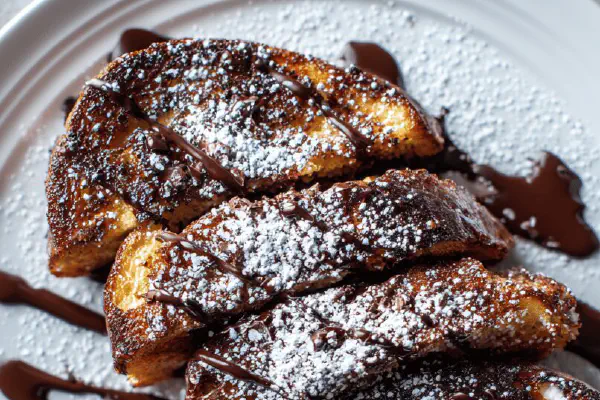
Chocolate Pain Doré
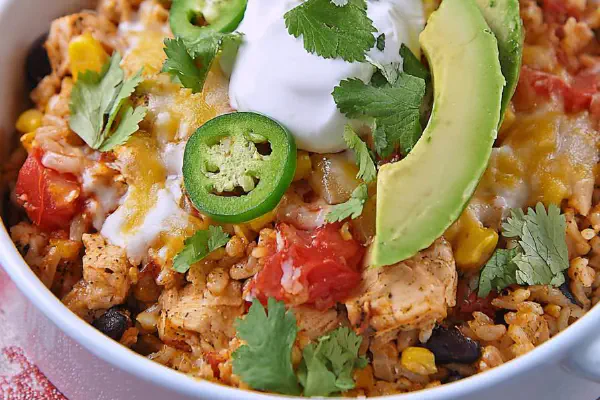
Southwestern Chicken Bake
Savory Black-Eyed Fritters
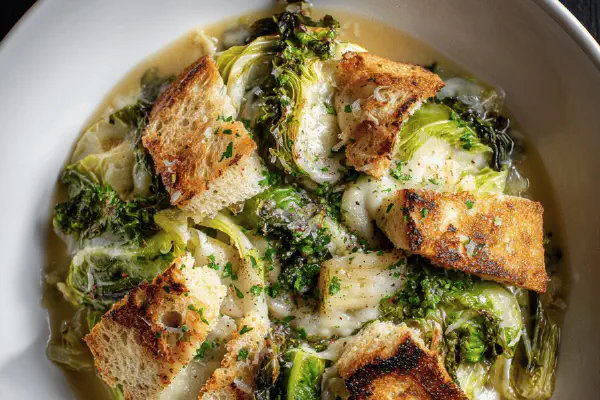
Country Cabbage Soup Twist
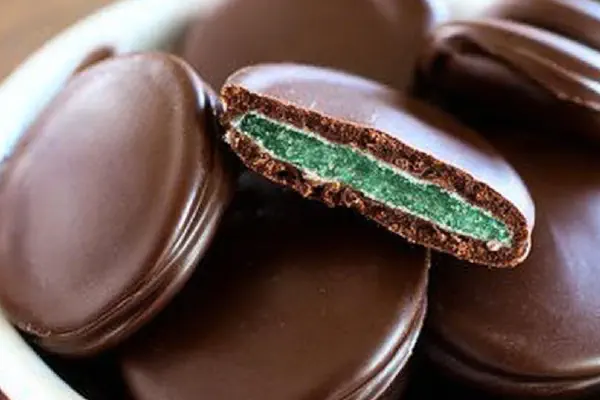
Lean Mint-Coated Dips

Detox Citrus-Cucumber Water
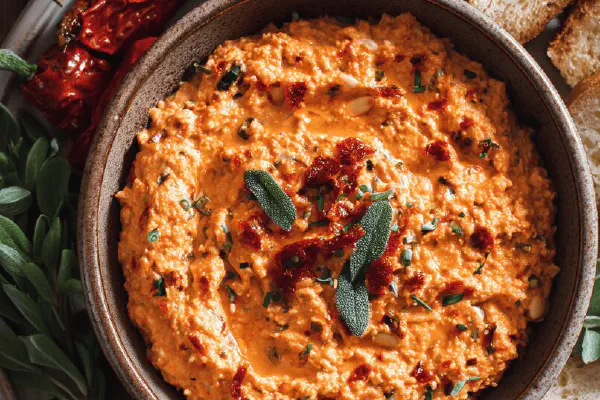
Roasted Red Pepper & Sun-Dried Tomato Dip

Cilantro-Lime Vierge Sauce

Spinach Mushroom Egg Bites

Drunken Panettone Twist
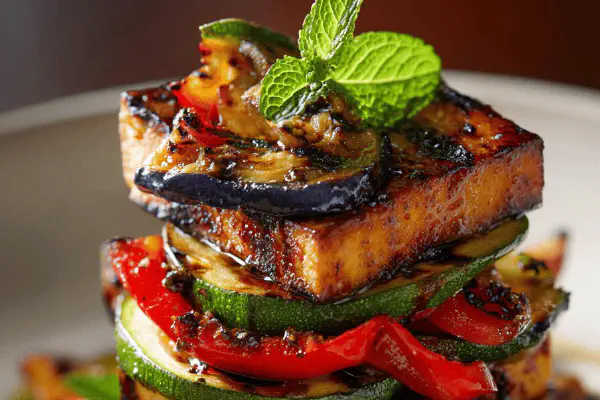
Mediterranean Tofu Veggie Stack
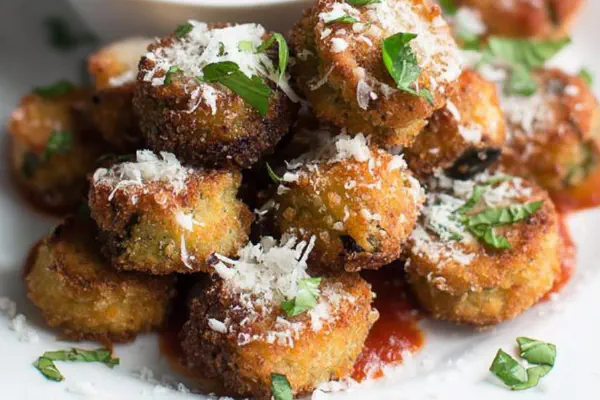
Crispy Eggplant Cubes
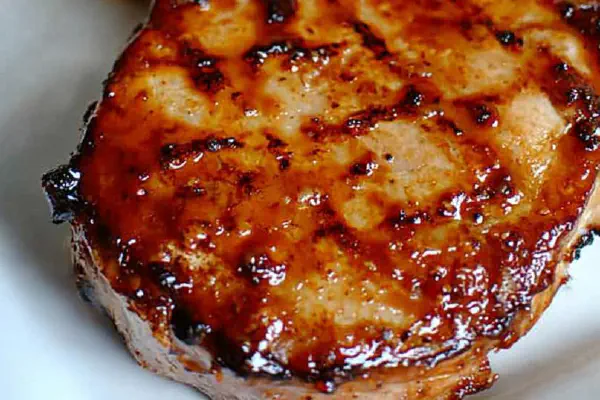
Pan-Seared BBQ Pork Chops & Loaded Potato Salad
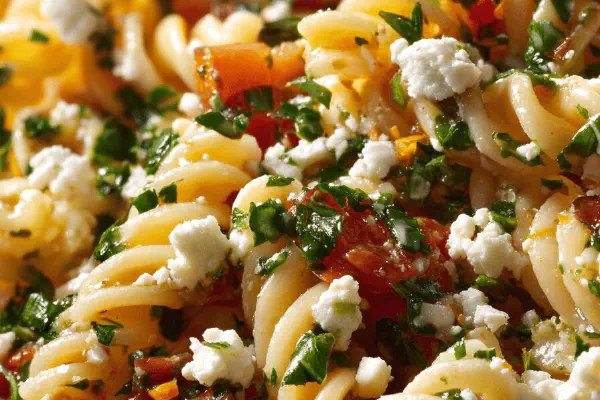
Pasta Salad with Zesty Gremolata
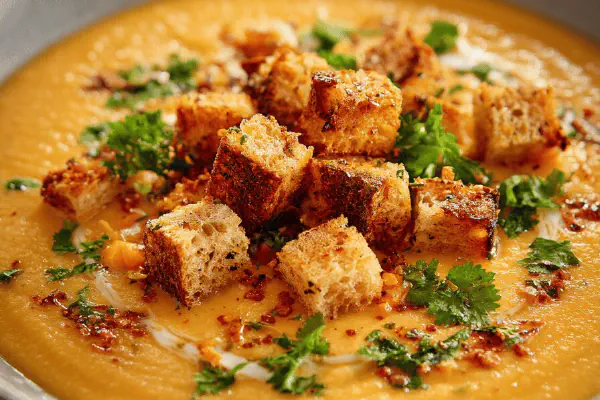
Cauliflower Ginger Curry Velouté
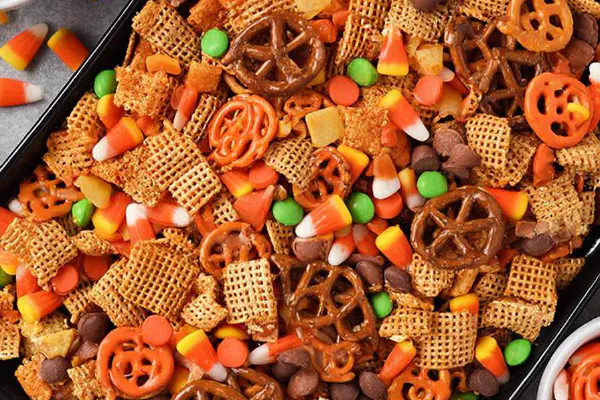
Honey Nut Snack Mix
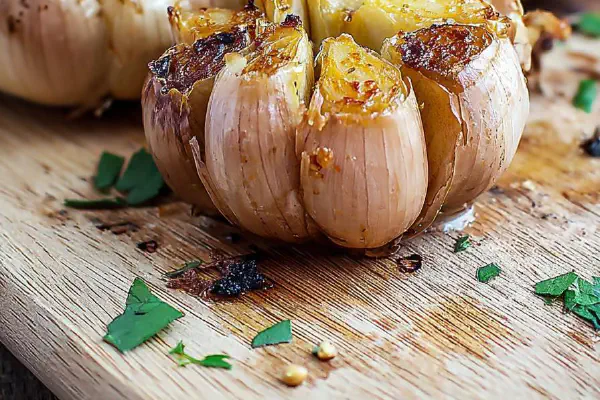
Oven Roasted Garlic Twist
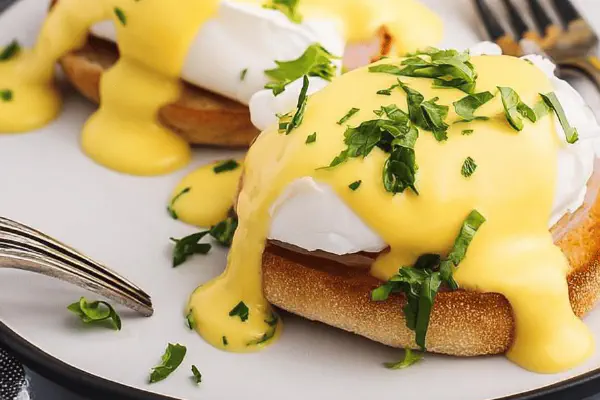
Spinach Bacon Benedict
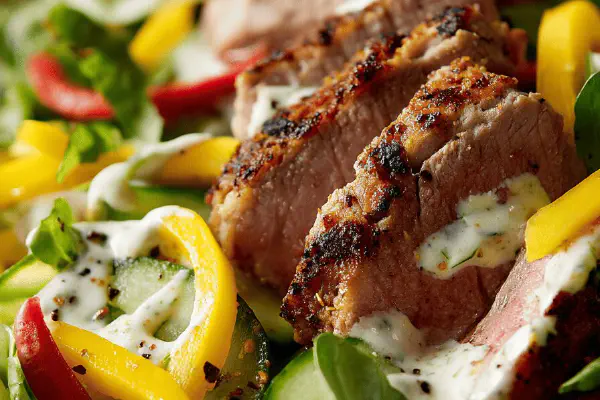
Pork Mango Pepper Salad
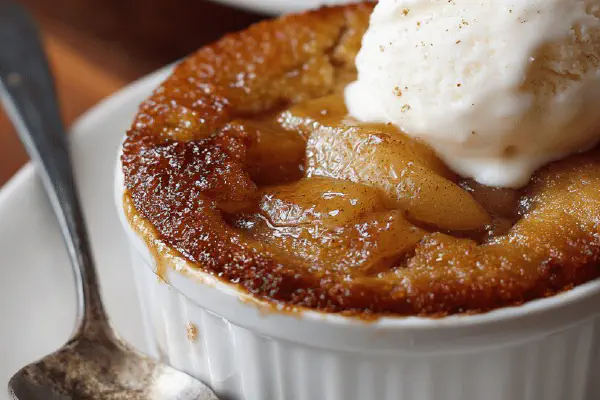
Apple Puddings Air Fryer
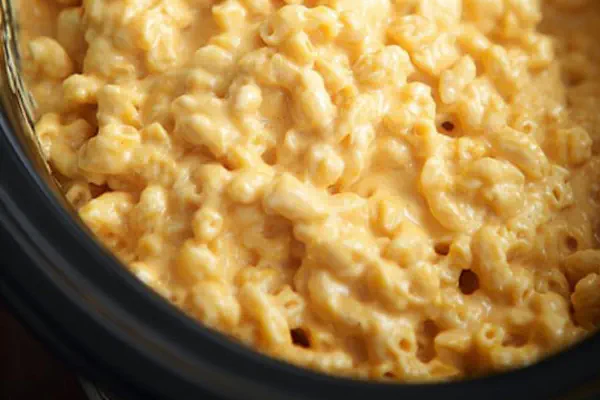
Slow Cooker Mac and Cheese Remix
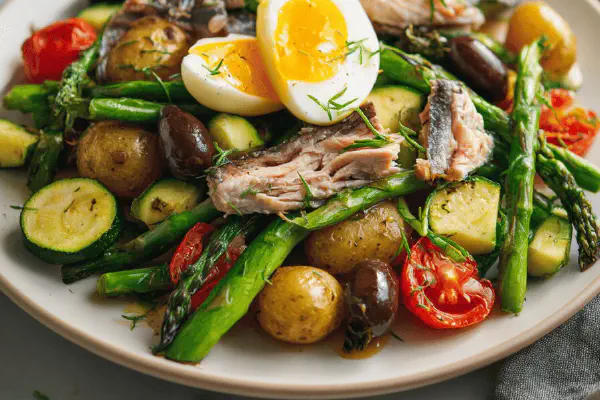
Rustic Niçoise Salad
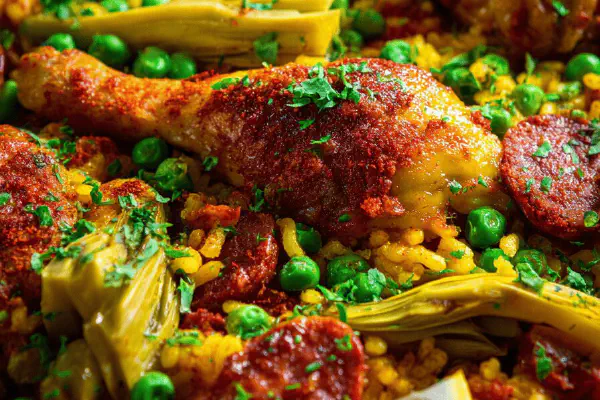
Chicken Chorizo Paella
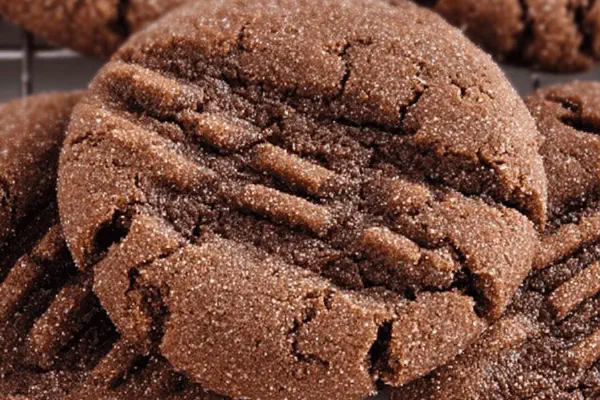
Chocolate Peanut Butter Cookies
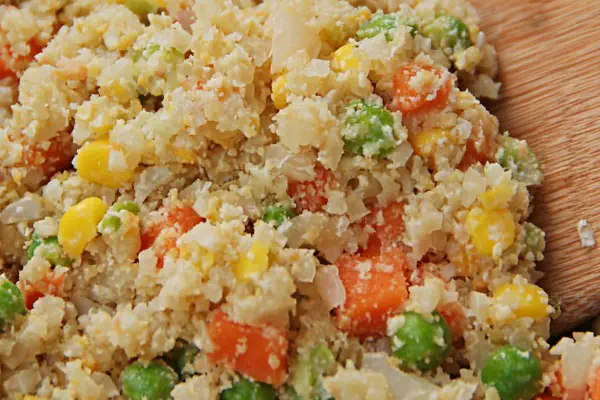
Cauliflower Fried Rice Remix
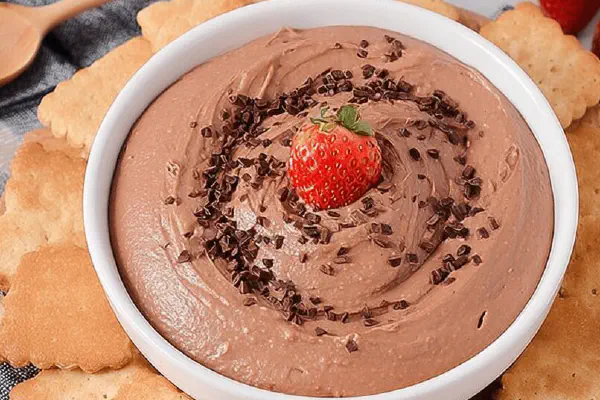
Velvety Hazelnut Cream Dip
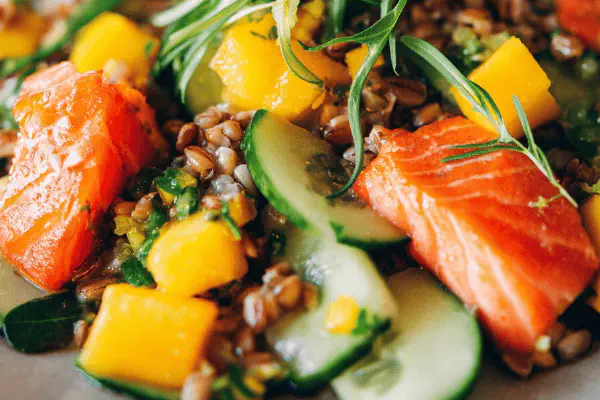
Cold Spelt Salad with Salmon Avocado
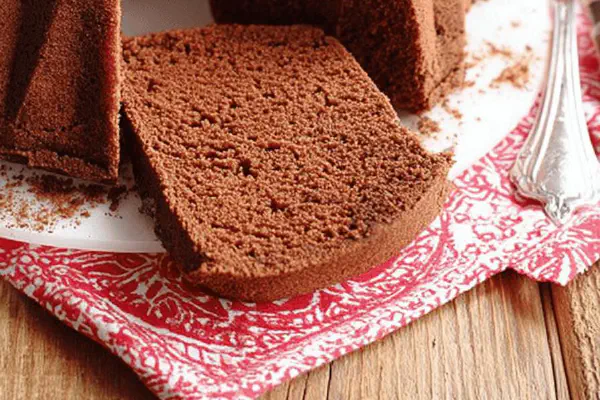
Chocolate Pound Cake Twist