Featured Recipe
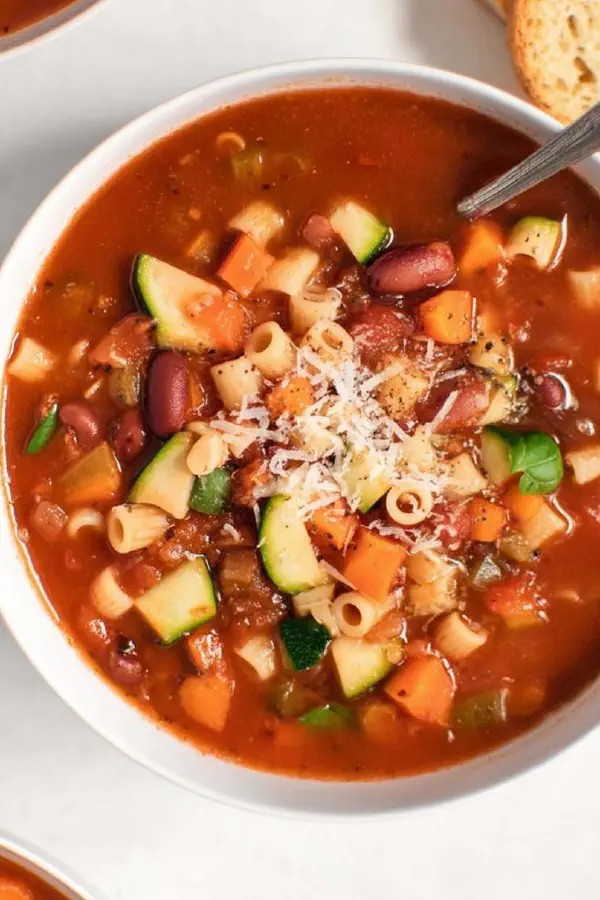
Chunky Minestrone Soup
By Kate
"
Garlic diced and rested before cooking unlocks enzymes for max flavor and health punch. Sauté onions and garlic in shimmering olive oil until translucent, not brown. Tomatoes with juice and dry white vermouth simmer down, thickening base. Broth, herbs, tomato paste, parmesan rind join with carrots. Boil briefly, stir so nothing sticks. Then salt, pasta, zucchini skin-on. Beans rinsed, held back; added gently after simmer softens pasta and zucchini. Bay leaves and parmesan rind removed before serving. Fresh shaved aged parmesan, cracked pepper finish. A handful of subtle twists, ingredient swaps, adjusted timing to sharpen flavors, encourage mindful cooking cues over clocks. Pasta texture and aromatic balance key.
"
Prep:
25 min
Cook:
40 min
Total:
1h 5min
Serves:
8 servings
soup
Italian
vegetarian
healthy
Introduction
Start with garlic diced and let it rest. This isn’t a step to skip; those enzymes work magic if given 10-15 minutes. Boosts flavor and immunity, especially needed this time of year. Olive oil shimmering means it’s hot enough but not smoking. Sauté onions and garlic here low and slow, translucent is our goal, never browned. A couple minutes lost upfront saves bitter garlic later. Then tomatoes and vermouth hit the pot, liquid reducing and thickening aroma within twenty minutes. This reduction deepens the base. Parmesan rind tucked in early, an underrated trick, shapes the soup’s backbone. Simmering with carrots and herbs rounds flavor but resist temptations to add zucchini too soon. Zucchini breaks down fast; wait until pasta’s nearly done to toss skin-on chunks in. Uses all nutrition, vibrant color intact. Beans rinse away packing flavors, making soup lively instead of canned. Taste and adjust salt last; that’s how you avoid oversalting, big mistake in soups. The last step’s always folding in beans and removing bay leaves, rind. Serve with fresh parmesan shaving on top for a punch of texture and taste. Low fuss. Big payoff.
Ingredients
In The Same Category · Comfort Bowls
Explore all →
Gluten-Free Gnocchi Sage Butter
Spicy Chicken Tomato Corn Soup
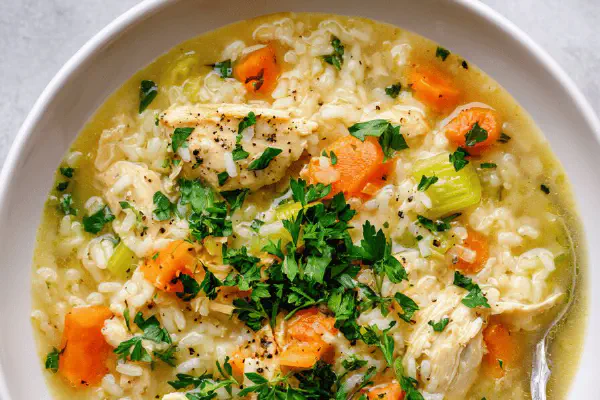
Chicken Lemon Rice Soup
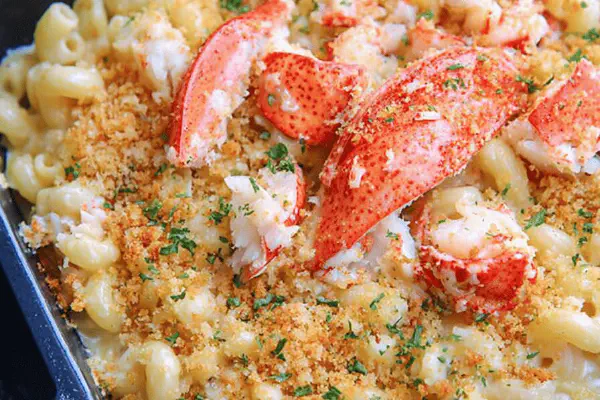
Lobster Mac Cheese
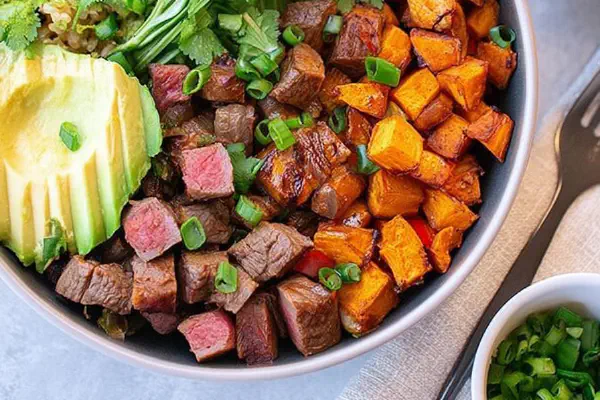
Spiced Steak Sweet Bowl
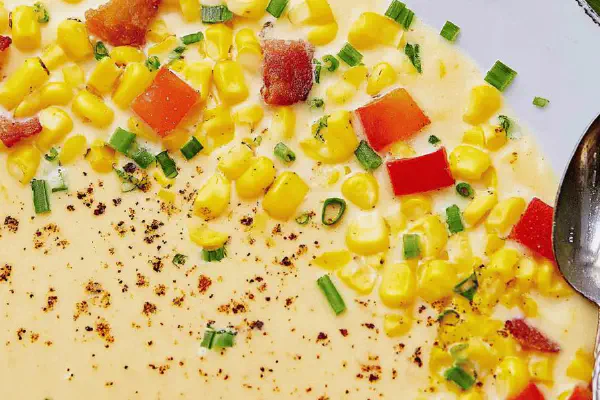
Pressure Cooker Corn Chowder
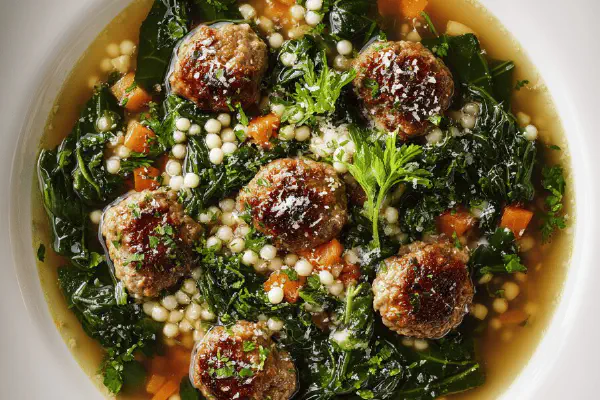
Italian Wedding Soup Remix

Cheesy Broccoli Chowder
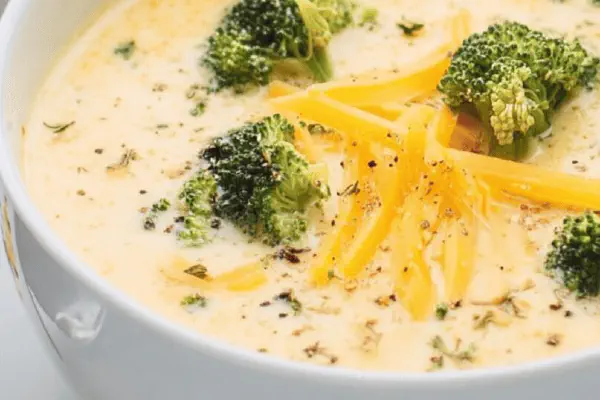
Broccoli Cheese Soup Twist
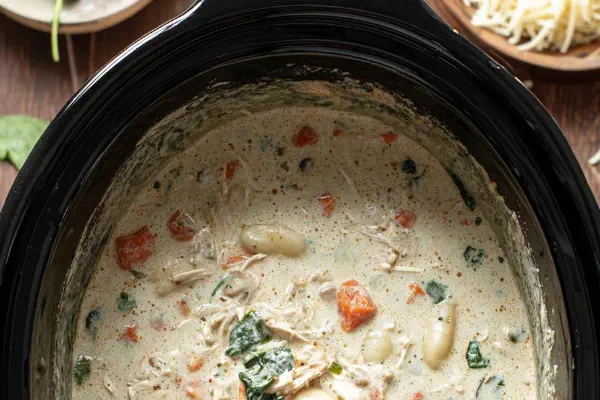
Slow Cooker Chicken Gnocchi Soup
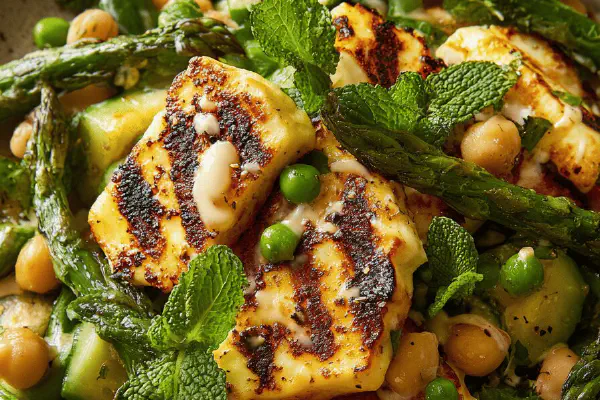
Grilled Halloumi Chickpea Salad
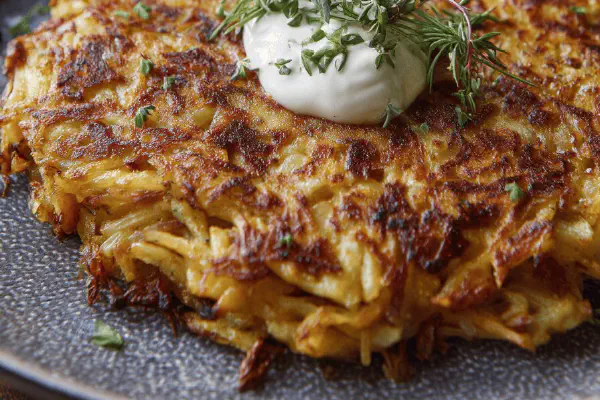
Apple Potato Rösti
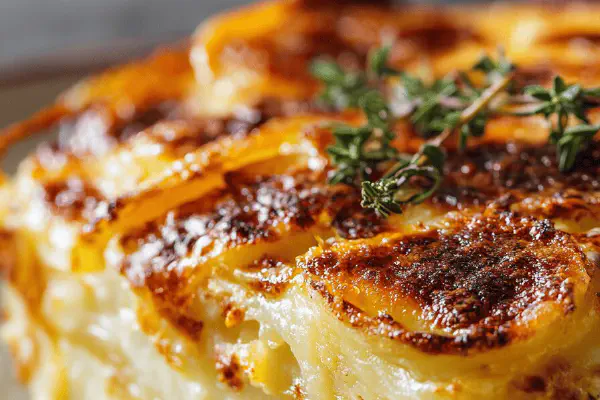
Potato Gratin with Onion Melt

Carrot Ginger Potage
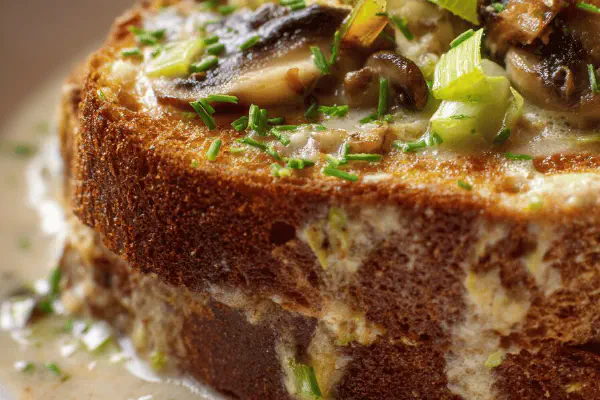
Gratin Oyster Soup Twist

Hearty Crockpot Potato Chowder
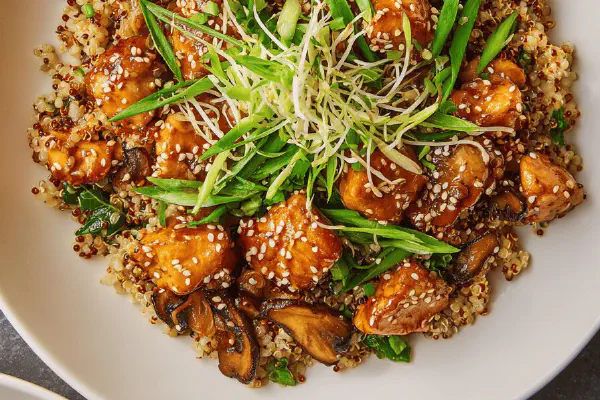
Ginger Chicken Fried Rice

Smoky Burger Chowder
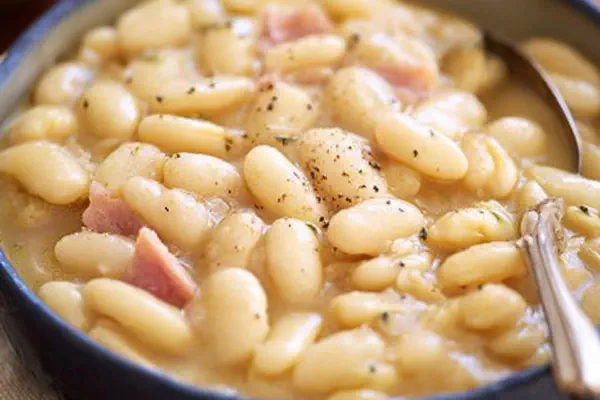
Smoky Lima Beans
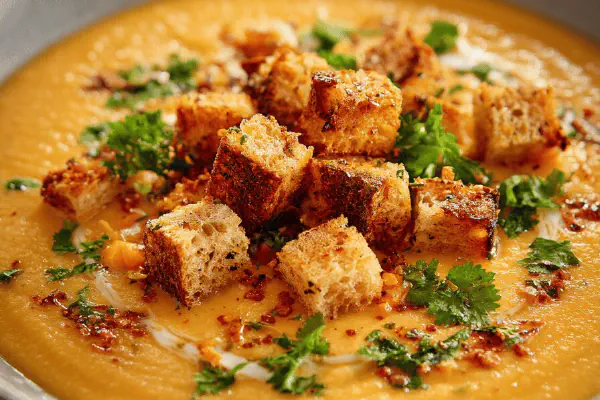
Cauliflower Ginger Curry Velouté
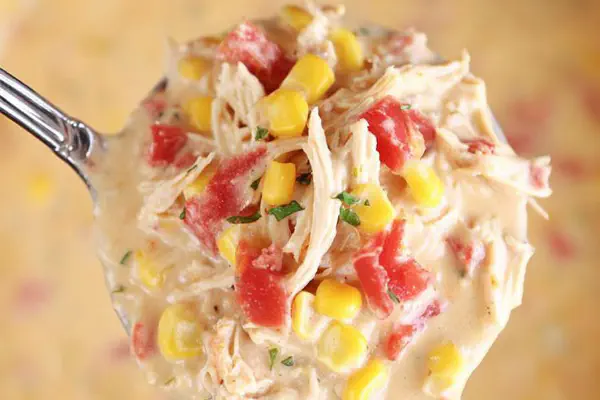
Chunky Chicken Corn Chowder
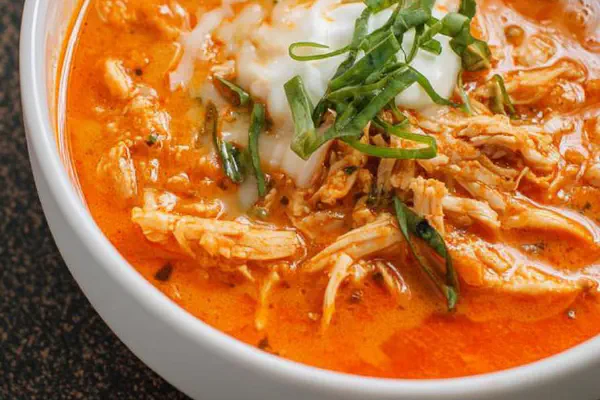
Spiced Red Pepper Chicken Soup
Copycat Olive Garden Alfredo
Twisted Baked Rigatoni
Swiss Chard & Orzo Soup
Twisted Pasta Caesar Salad
Twisted Quick Chili
Homemade Chicken Vol-au-Vent
Corn Potato Mash Twist
About the ingredients
Garlic prepping upfront is essential — dicing then resting lets allicin formation maximize immune and flavor benefits. Olive oil quality matters; extra virgin gives better aroma but watch heat to avoid burning. Vermouth is used here instead of a generic dry white wine for a nuanced layer. No vermouth? Dry sherry or dry white are close subs. Parmesan rind is treasure; it adds umami that no grated cheese can replace. If you can’t find rind, add a bit more tomato paste or some grated aged cheese but the infusion won’t be the same. Dry Ditalini pasta keeps shape well in the soup without turning mushy. Small pasta shells or elbow macaroni are fine substitutes; just keep a close eye on cooking times. Zucchini skin is edible and vibrant green, leave it on for nutrients and texture. Beans need rinsing to wash away packing liquids — prevents flavor dullness and excess salt. Cannellini beans are traditional but navy beans work well too. Always use good quality stock or broth; homemade is best. Carrots add a subtle sweetness balancing acidic tomatoes. Bay leaves contribute herbal bitterness but remove before serving; no one wants a surprise leaf bite.
Method
Technique Tips
Start chopping garlic right away, letting it rest before hitting heat gives flavor boost and health benefits. Heat olive oil until it shimmers — visual cue for correct temperature — then in go onions and garlic. Sauté on medium heat until onions turn translucent and smell sweet. Avoid browning garlic here to prevent bitterness. Add canned tomatoes in their juices plus vermouth. Simmer uncovered till volume drops by close to half; smell changes from sharp acidity to balanced sweet tomato. Next, pour in broth, tomato paste, herbs, parmesan rind, carrots, and bay leaves. Bring mixture to a full boil while stirring constantly two minutes to prevent sticking; this jumpstarts carrot softening and flavor melding. Lower to gentle simmer. Salt early but lightly. Pasta and zucchini dice come next; zucchini’s skin left intact offers color, nutrients, and texture. Beans rinsed and held back to add last, to avoid overcooking. Add water to keep simmer going, cook 10-15 minutes till pasta is al dente and zucchini tender but not falling apart — the most important visual cue here. Turn off heat. Gently stir in beans, season with salt and pepper again if needed. Remove rind and bay leaves; rind should be softened and easy to fish out in one piece. Serve with fresh parmesan shaved on top and cracked pepper. The sharp cheese melting over steaming soup gives contrast and layers every bite. Watch closely during simmer; pasta texture and zucchini bite tell all. Overcooked pasta ruins soup, mushy veggies bore. Precision in timing with sensory cues is the secret.
Chef's Notes
- 💡 Garlic prep really matters—dice it first; let it sit. Alliin enzymes activate when resting. Maximizes flavor, brings health benefits too. Don't skip. If rushed, lose that depth.
- 💡 Use a heavy pot. Heat olive oil until shimmering—not smoking—before adding onion and garlic. Medium heat gets onions translucent. A sweet aroma means you're on track; avoid browning.
- 💡 Simmering tomatoes and vermouth uncovered deepens flavor. Liquid should reduce to sauce consistency. Watch closely; stirring helps layers meld. This takes around 20 minutes.
- 💡 Don't overcrowd with zucchini. Add it only when the pasta's almost ready. Skin-on retains nutrients, color, and texture. Visual cue: zucchini brightens, fork-tender but not mushy—key here.
- 💡 Rinse beans thoroughly before adding. Wash away the packing liquid; they absorb flavors better. Canned beans can dull taste if not rinsed. Prevents soup from feeling canned.
Kitchen Wisdom
What's the best way to rinse beans?
Rinse under cold water in a colander, get rid of that packing liquid. It dulls flavor and adds unwanted salt. Makes a big difference.
Can I use other pastas?
Yes, swap Ditalini for small shells or elbow macaroni. Keep an eye on timing. Overcooked pasta ruins soup texture, not what you want.
What if I don't have parmesan rind?
Add grated aged cheese during cooking instead. Umami boost might not be the same, but helps a lot. Just lose the infusion.
How do I store leftovers?
Store in airtight containers in the fridge. Lasts for 3-5 days. Can freeze too, but pasta might get mushy after thawing. Good to have options.
You’ll Love These Too
Explore all →
Quick Spiced Fish Stew
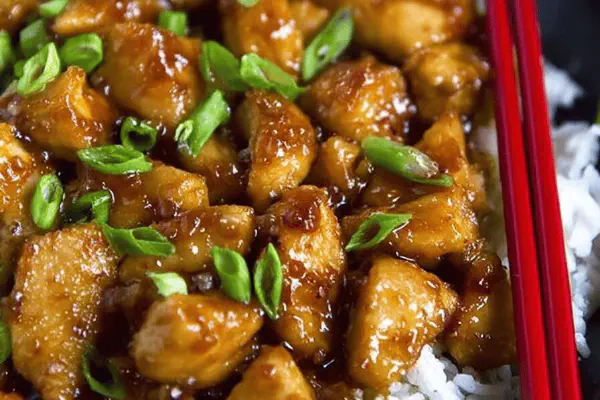
Skillet Tangerine Chicken Twist

Simple Brown Sugar Caramel
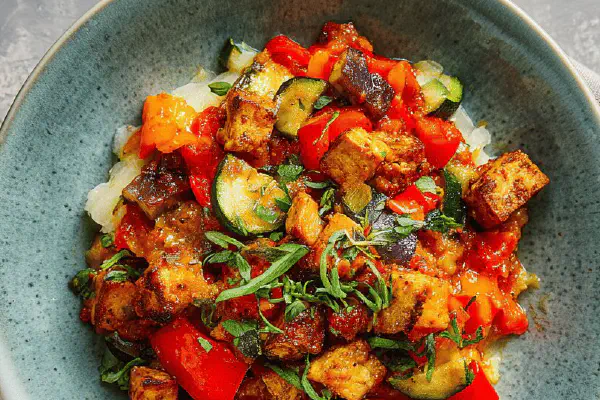
Spiced Tofu Ratatouille
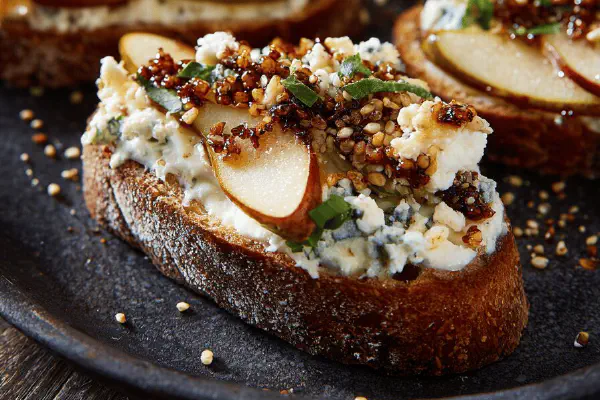
Pear Ricotta Blue Cheese Canapés
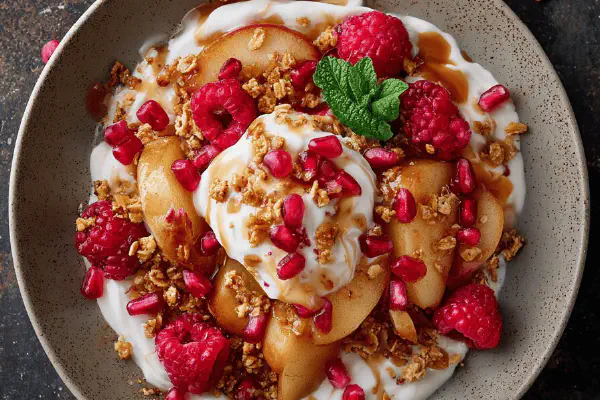
Baked Caramelized Apples Twist
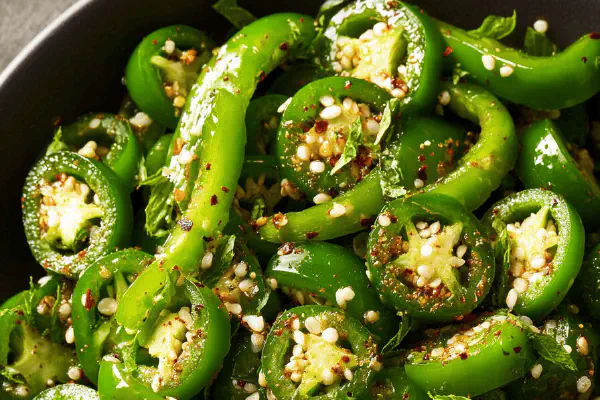
Spicy Pickled Jalapeños
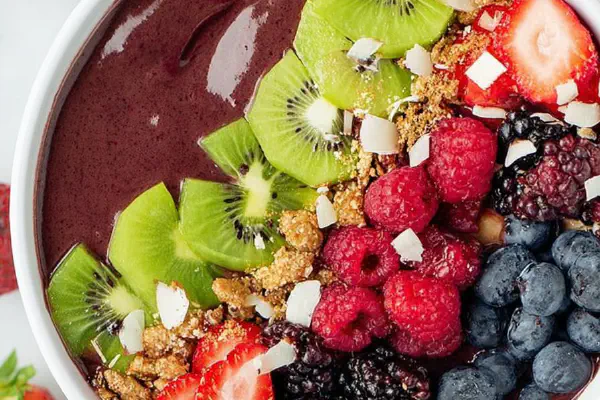
Beet Berry Acai Bowl
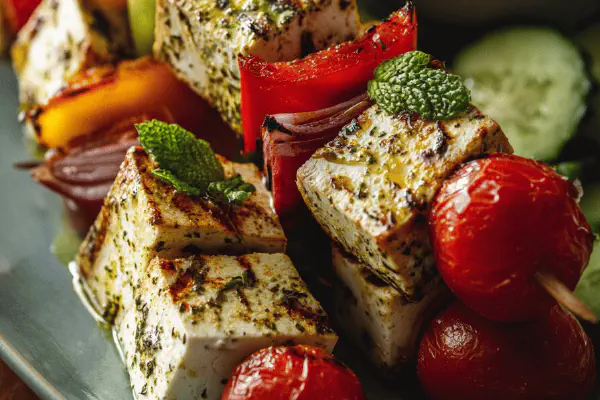
Tofu Souvlaki Skewers
Twisted Velveeta Melts
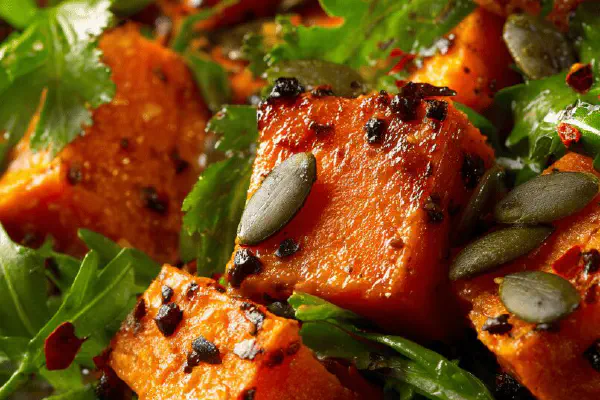
Roasted Sweet Potatoes with Camelina Oil
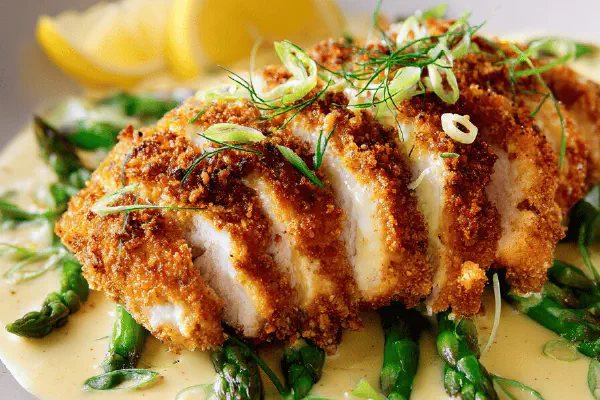
Air Fryer Spiced Chicken Breast

Hummingbird Cake Twist

Spinach Bacon Benedict
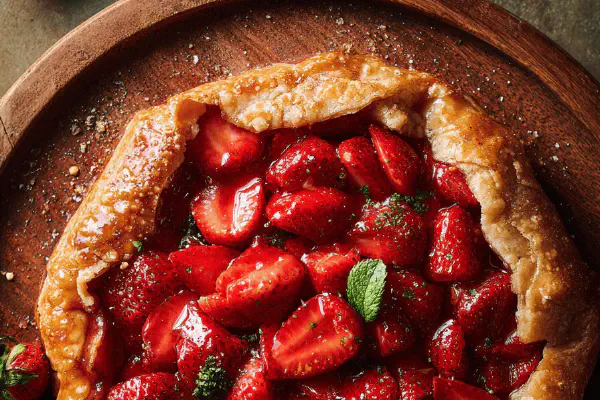
Strawberry Foldover Tart
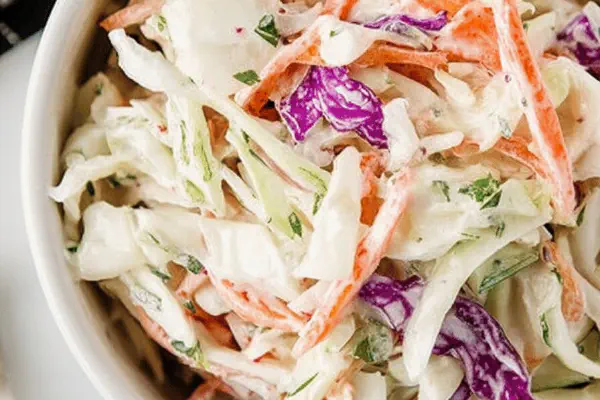
Tangy Creamy Slaw
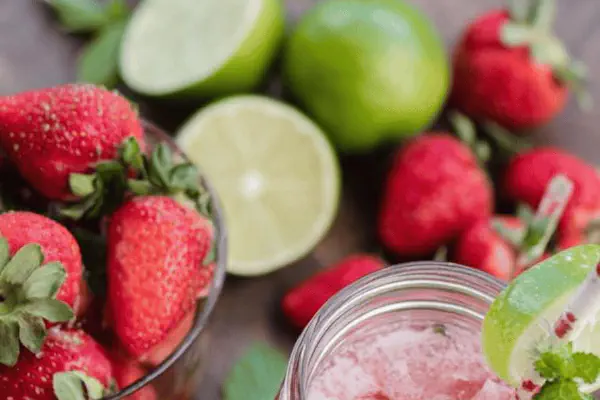
Berry Basil Kombucha Fizz

Spiced Rye Manhattan Twist

Crunchy Panko Chicken

Tangy Lemon Cheesecake

Yellow Split Pea Soup with Cheese Dumplings

Creamsicle Vodka Float
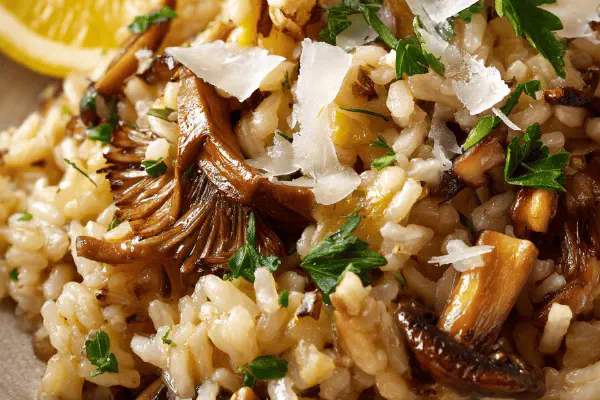
Wild Mushroom Risotto Twist
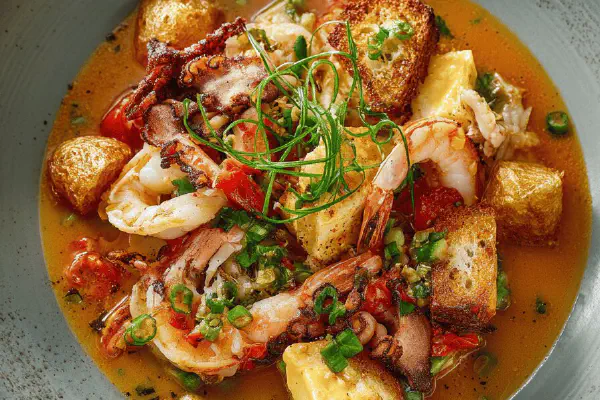
Rustic Bouillabaisse Variation
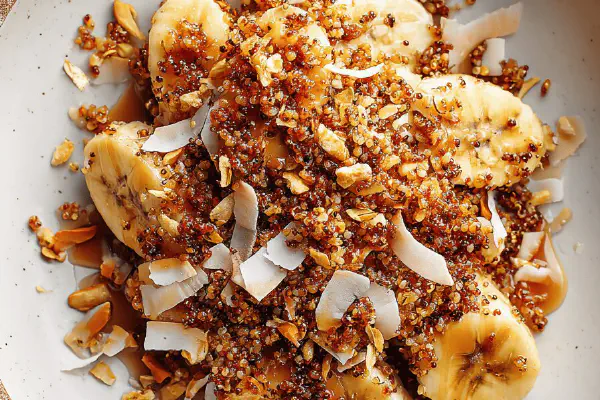
Caramelized Banana Sesame Crunch

Bacon-Wrapped Herb Stuffing Cups

Frozen Treat Cookie Bars

Pear Caramel Cake with Cream Cheese Whip

Candied Rhubarb Twist