Featured Recipe
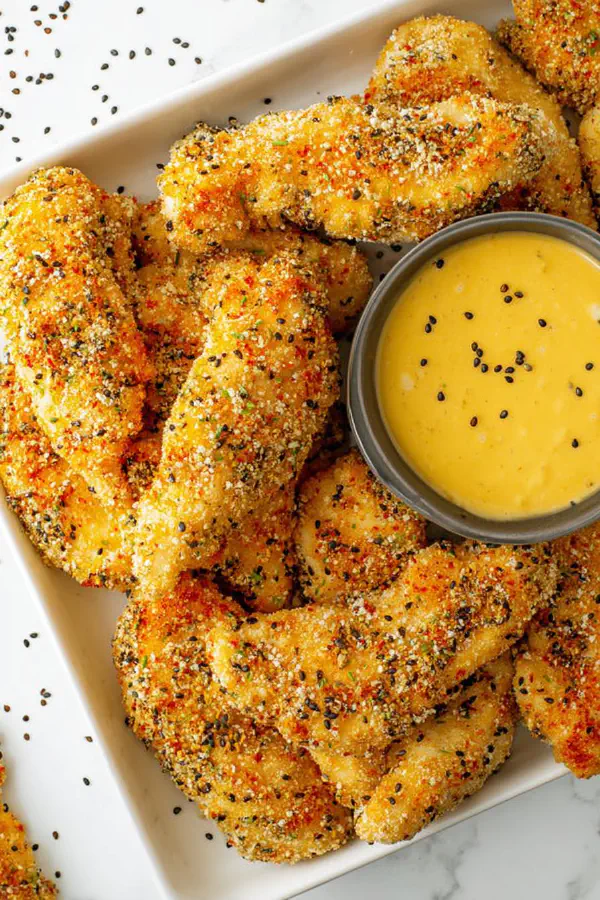
Crunchy Herb Chicken Strips
By Kate
"
Chicken breasts sliced into uniform strips coated in a rich tangy mixture with Dijon mustard swapped for mayo, and oat flour replacing all-purpose for a subtle nuttiness. Panko breadcrumbs blended with Italian herbs and sea salt create a crisp crust infused with aromatic notes. Baked at a slightly lowered temperature to maintain juicy interiors and golden exteriors. Flip halfway, watch for bubbling edges and fragrant smells as key doneness signals. Resting before serving locks in moisture. A practical method emphasizing tactile and sensory cues over timers. A versatile take that avoids common pitfalls like soggy crust or uneven cooking.
"
Prep:
20 min
Cook:
18 min
Total:
38 min
Serves:
4 servings
chicken
baked
easy
family meal
Introduction
Chopping chicken breasts into uniform strips is step one. Size impacts cook time and texture. Breading isn’t just throwing flour and crumbs together. Must create a glue that sticks well but doesn’t get soggy. Dijon mustard changes the dynamic here, adding acidity and flavor depth — ditching mayo for this punch. Oat flour swaps for all-purpose, subtle nuttiness and better binding, especially under heat. Panko crust seasoned with dried Italian herbs and sea salt turns each bite crisp and fragrant. Baking lower (425F) than usual avoids burning crumbs while keeping chicken juicy inside. Flip at the right time—look for bubbling edges and aroma cues, not just timer beep. Resting is non-negotiable. Moisture redistribution keeps tender. This method cuts common missteps and emphasizes senses over clock—you’ll know when it’s done by sight and feel.
Ingredients
In The Same Category · Hearty Mains
Explore all →
Meatball Stromboli Twist
Crunchy Asparagus Tuna Salad
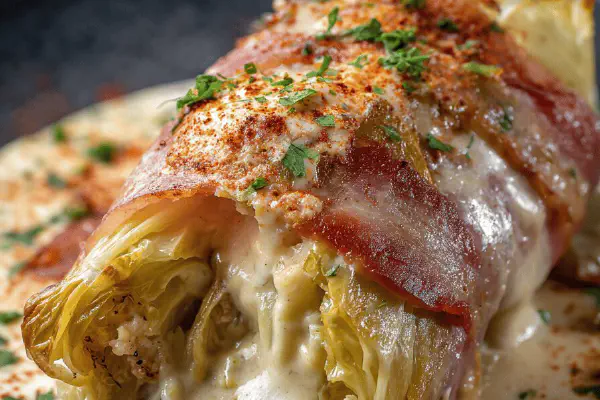
Ham Endive Gratin Twist
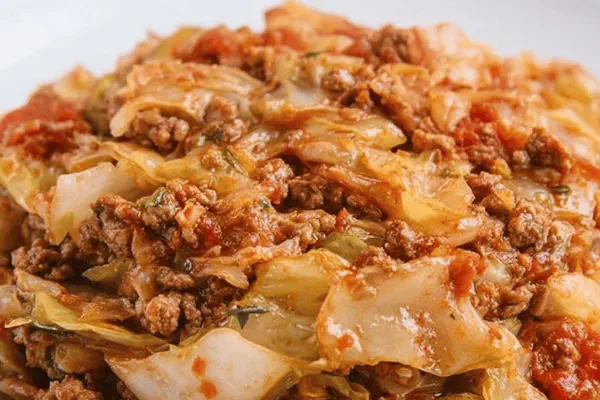
Hearty Cabbage Roll Bake
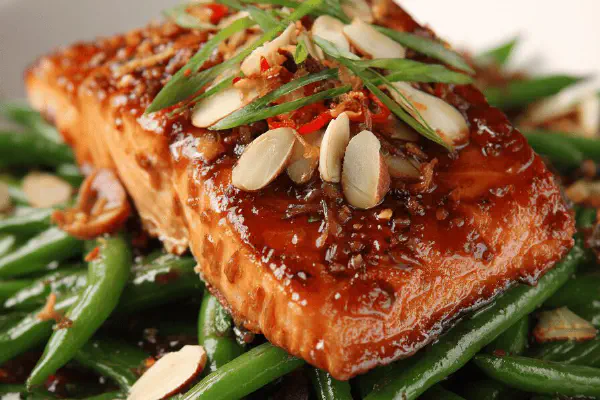
Salmon Teriyaki Twist
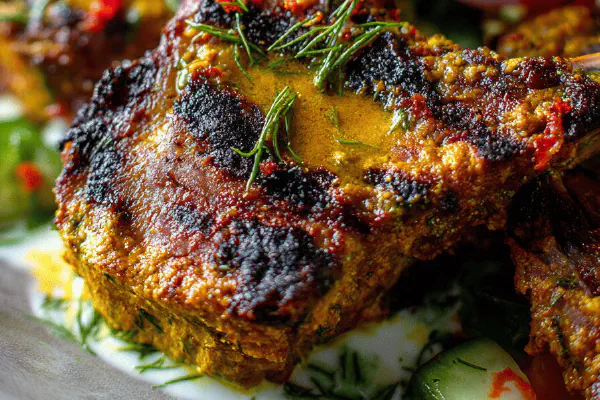
Lamb Chops with Curry and Melon Raitha
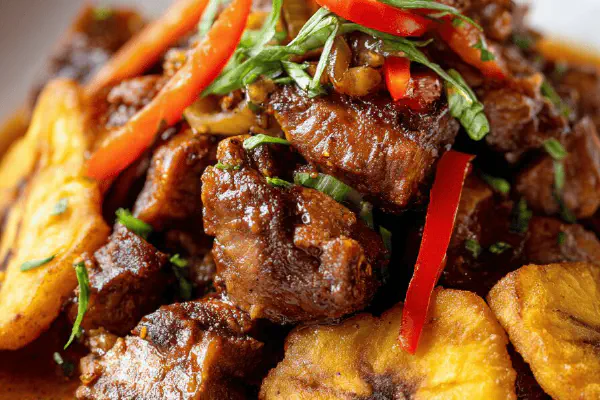
Twisted Griot du Agrikol
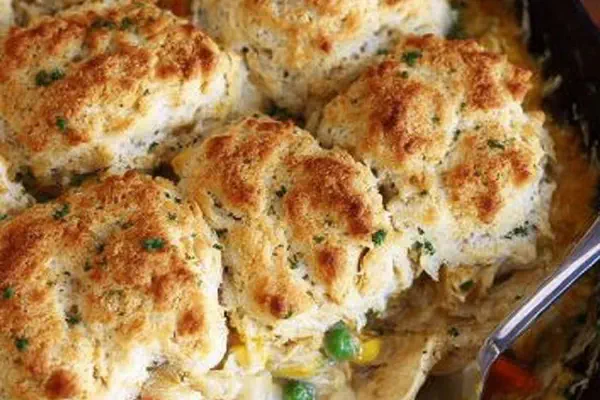
Cheesy Biscuit Chicken Pot Pie
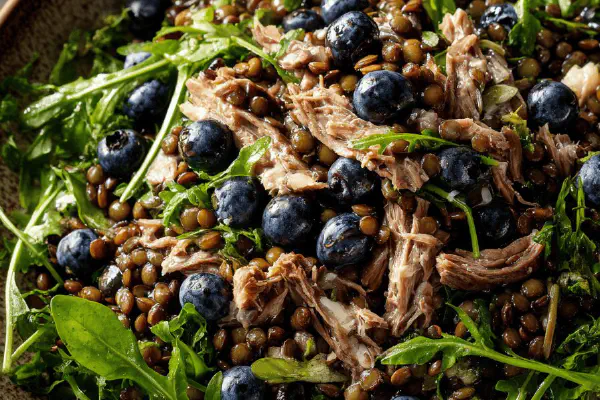
Lentil Salad Duck Blueberry
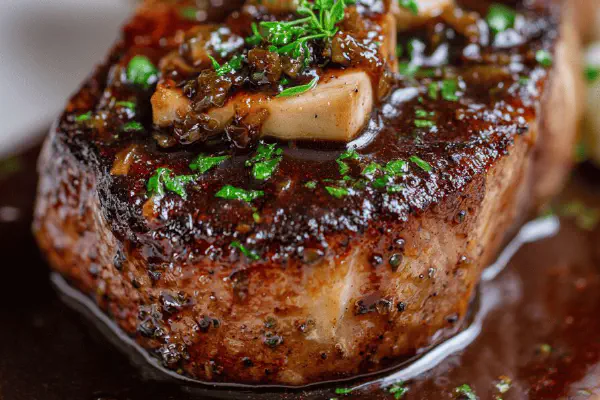
Twist Bordelaise Sauce
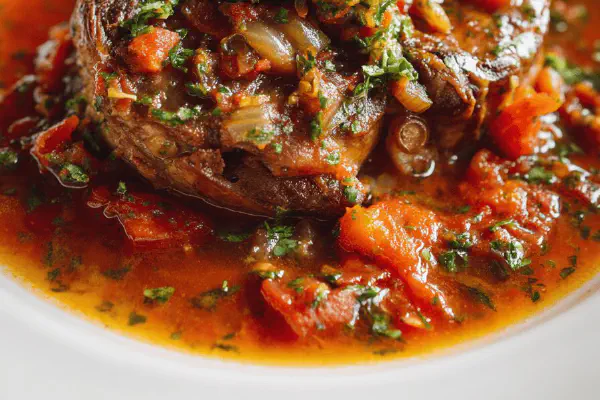
Osso Buco Adapted
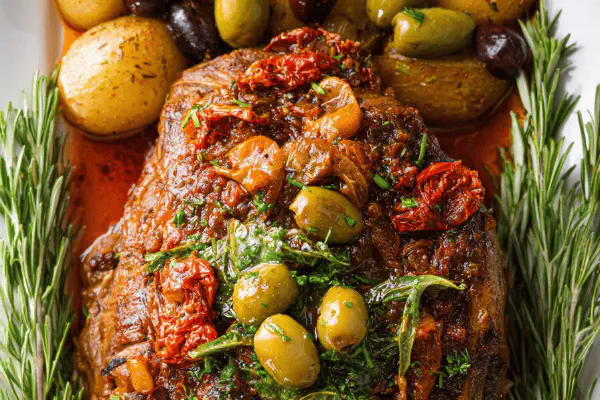
Greek-Style Veal Roast
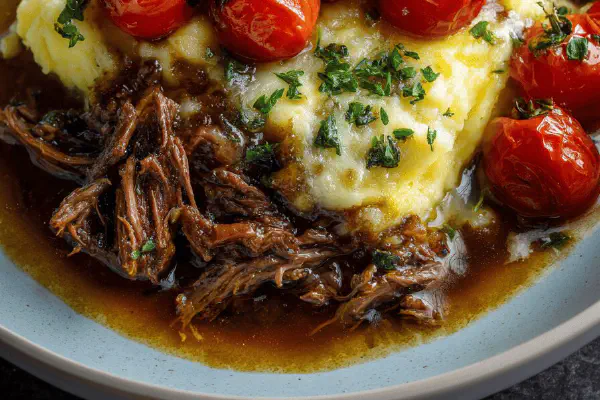
Braised Beef Parmentier with Oka
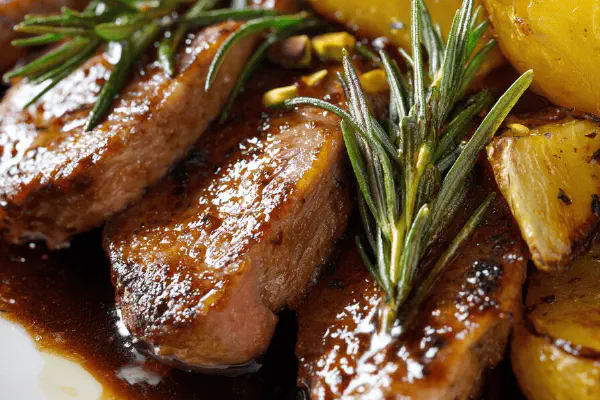
Sous Vide Duck with Roasted Potatoes

Shrimp Spinach Lasagna
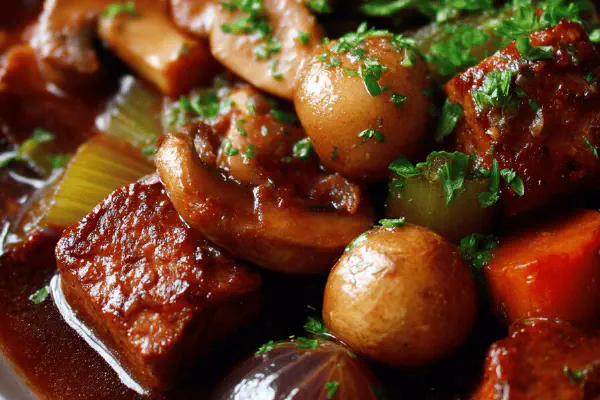
Red Wine Seitan Stew
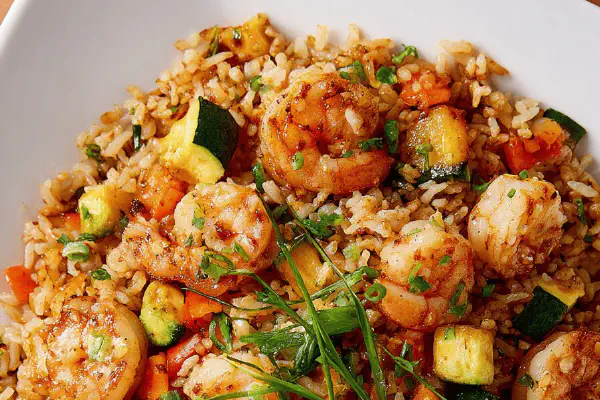
Shrimp Fried Rice Sheet Pan
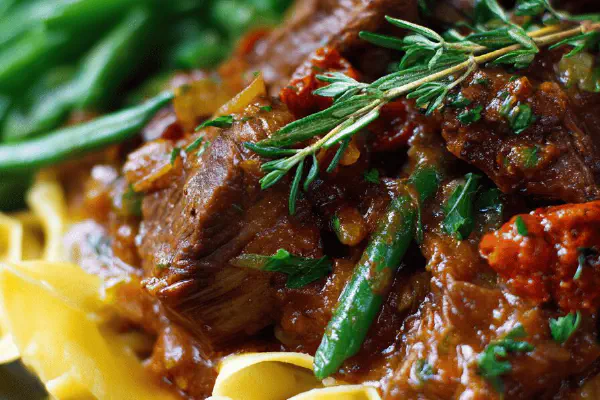
Braised Beer Beef with Chorizo Twist
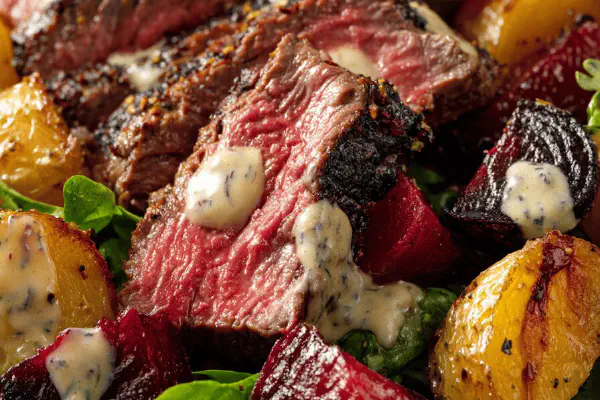
Beef Beet Potato Salad
Childhood Meatballs
Chicken Veggie Pot Pie
Pork Rack Squash with Mushroom-Cranberry Sauce
Sesame Shrimp Stir-Fry
Spaghetti with Anchovies and Crunch
Cauliflower Chickpea Curry
Chicken Parmesan Pasta Bake
Garlic Parmesan Chicken Twist
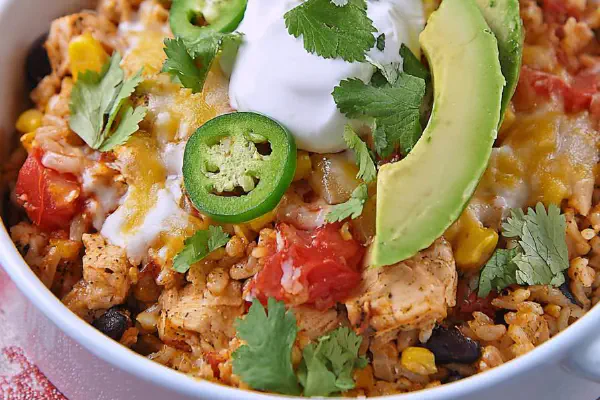
Southwestern Chicken Bake
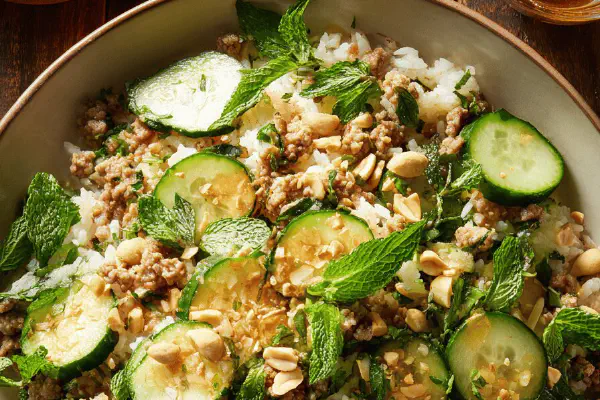
Crunchy Pork Cucumber Rice Salad
About the ingredients
Using oat flour instead of all-purpose adds a light, earthy flavor and improves the texture of the coating, especially if you want gluten-free options—make sure brand is certified if needed. Dijon mustard replaces mayo for sharper tang and better emulsification; if you prefer creamy, swap in plain Greek yogurt for protein and moisture without heaviness. Panko breadcrumbs keep the crust crunchy but toss in dried Italian herbs and sea salt for balanced seasoning inside the crust — a simple upgrade from plain everything seasoning. Salt in both wet and dry ingredients layers the flavor and encourages proper crust formation. Fresh chicken should be patted dry thoroughly; excess moisture causes the paste to slip off. Substitutions for egg: 2 flax eggs can work but crumb adhesion might drop. Common issues are soggy crust (moisture, no pressing crumbs) and uneven cooking (unequal strip sizes).
Method
Technique Tips
Preheat the oven and prep the pan to control heat flow, prevents sticking and burning. Slice uniform pieces. This is not optional. Inconsistent sizes mean over or undercooked strips. Wet mixture must thicken enough for crumbs to stick—but not gluey. Test with a small piece. In crumb step, press crumbs well, tap excess so no clumps which burn easily. Arrange strips with space. Crowding causes steaming not crisping. Bake at 425F to avoid crumb char. Crust signals: golden edges with crisp noise when touched lightly with tongs is the cue to flip. Internal temp is safe, but visual and tactile cues come first on timing (usually 17-18 minutes total). Rest 5 minutes—cutting before juice settles leaves dry tokens on your plate. Dipping options: something acidic or creamy cuts through crust oiliness. Efficiency tip: double batch of wet or crumbs prepped in bowls shortens assembly time, allowing continuous breading without stopping for mixing.
Chef's Notes
- 💡 Uniform chicken strips matter. Cut them 3/4 inch thick. Think even cooking, no big pieces. Crowding leads to uneven baking, soggy crust.
- 💡 Wet mixture should coat without dripping. Test for thickness; dip a strip. Too runny, crumbs won't stick. Too thick, gets gummy. Adjust with oat flour.
- 💡 Herb seasoning in panko adds layers. Dried Italian herbs should be mixed well. Avoid clumps, tap off excess. Watch for golden edges during baking.
- 💡 Resting chicken after baking is crucial. Let juices redistribute, prevents dryness. No cutting too soon! Use this time for dips prep or plating.
- 💡 Dipping sauces can vary. Think creamy, tangy or sharp notes. Aioli works; mustard-based sauce adds kick. Balance flavors; cut through richness.
Kitchen Wisdom
How do I ensure my chicken is cooked through?
Use a meat thermometer. Look for 165F internal temp. Juices should run clear. Touch matters too.
What can I substitute for oat flour?
Almond or coconut flour can work. Just know texture changes a bit. Regular all-purpose is an option too.
My crust isn’t crispy, what went wrong?
Check for excess moisture on chicken. Pat dry. Baking tray too crowded? Airflow is key for crisp.
How do I store leftovers?
Let them cool completely. Airtight container in fridge, up to 3 days. Can freeze too. Just reheat properly.
You’ll Love These Too
Explore all →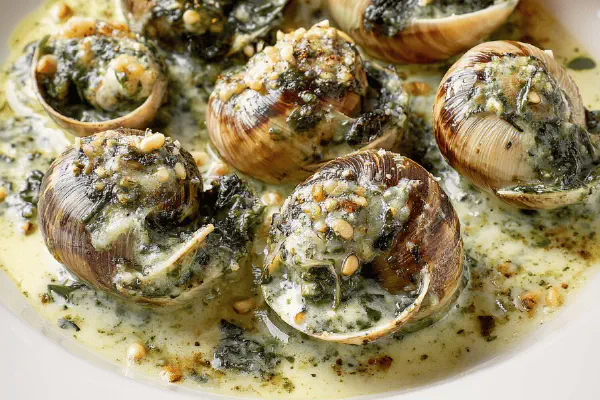
Basil Snails Twist
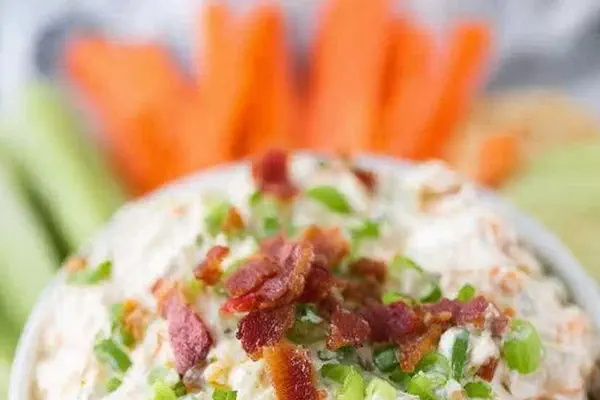
Creamy Garlic Herb Dip
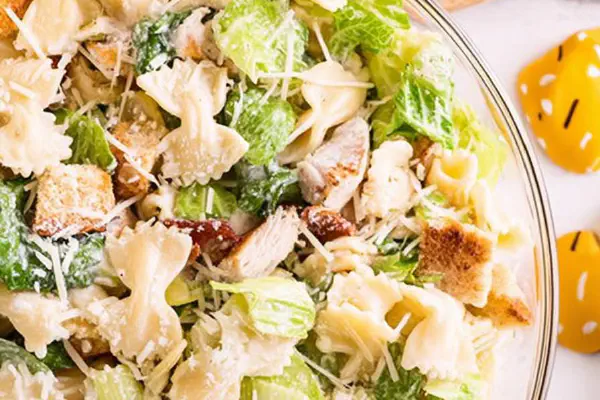
Tangy Caesar Pasta Salad
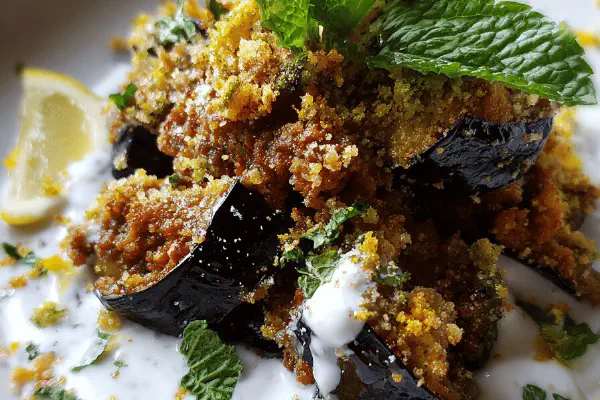
Eggplant Moussaka Remix
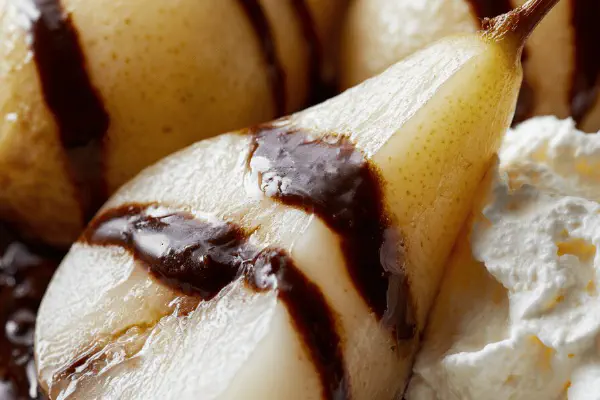
Poached Pears Dark Chocolate
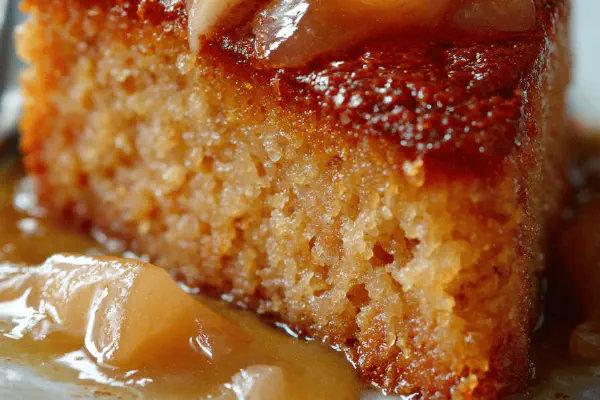
Maple Pear Pudding Cake
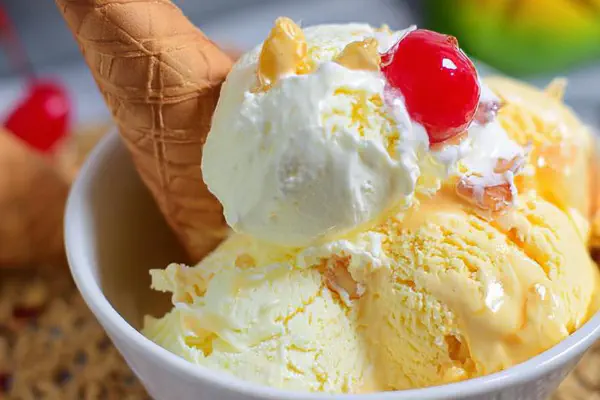
Chunky Pineapple Cream Ice
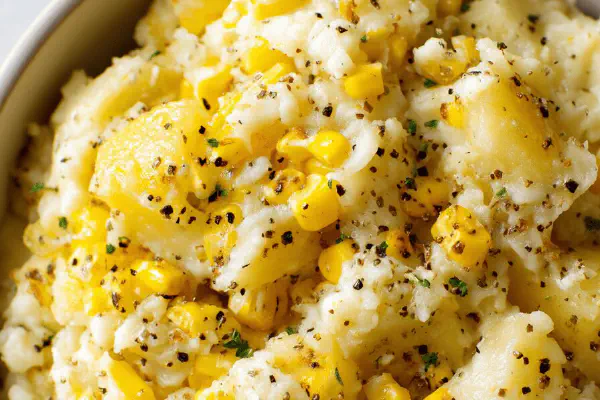
Corn Potato Mash Twist
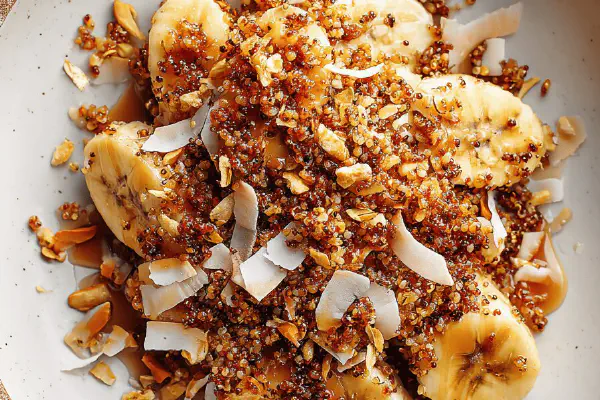
Caramelized Banana Sesame Crunch
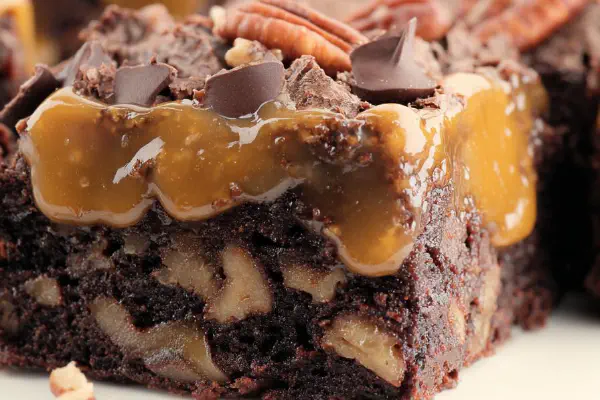
Twisty Turtle Brownies
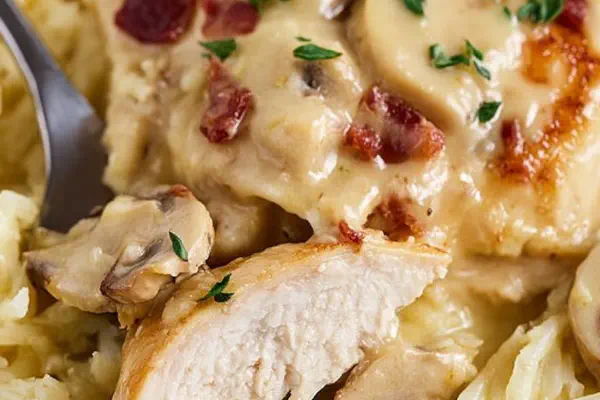
Smothered Chicken Twist
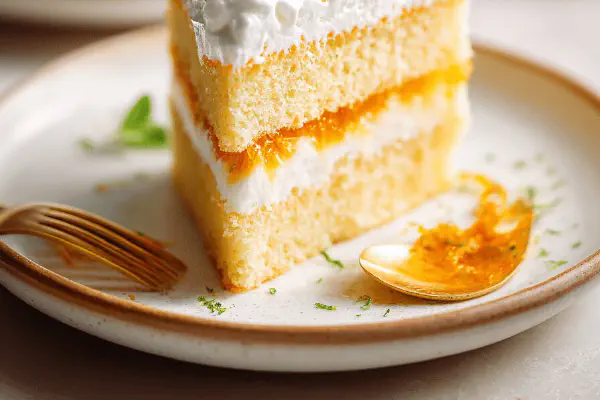
Orange Chiffon Cake Twist
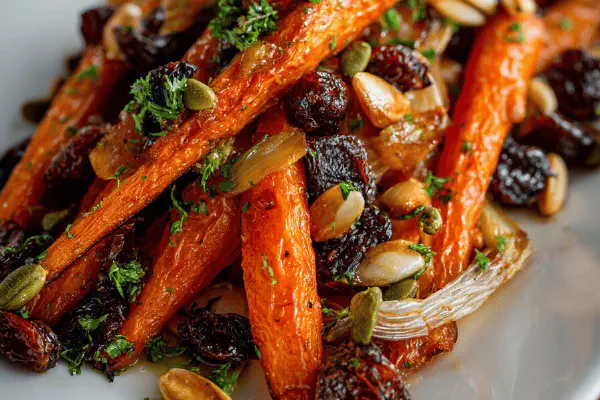
Roasted Carrots with Dried Fruits
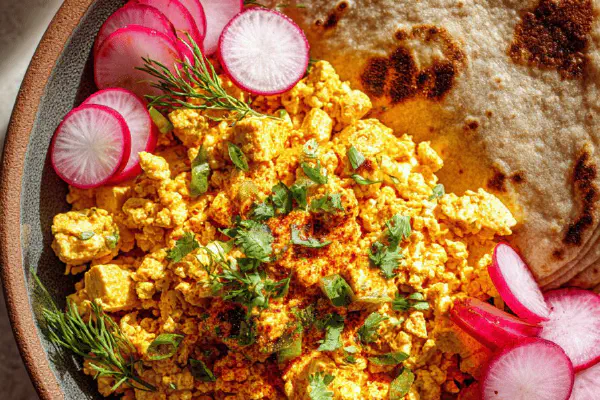
Mexican Scrambled Tofu Twist
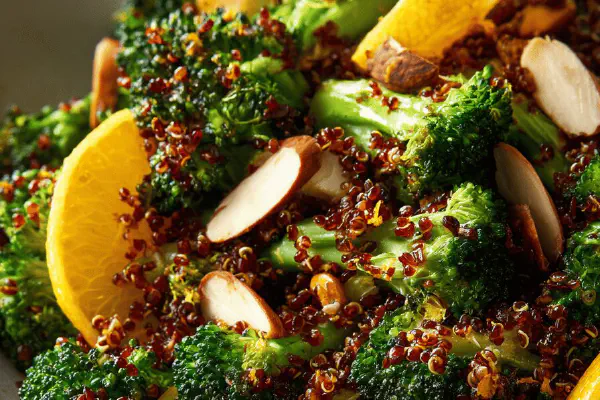
Warm Broccoli Blood Orange Salad
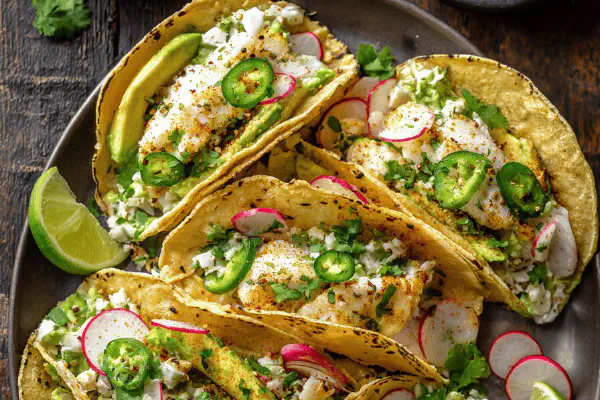
Spicy Fish Tacos Twist
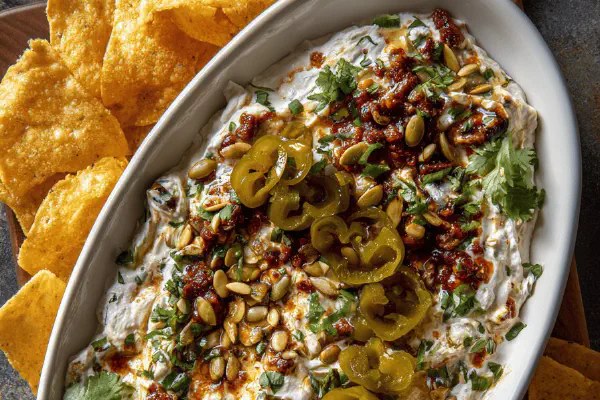
Chorizo Cream Cheese Dip
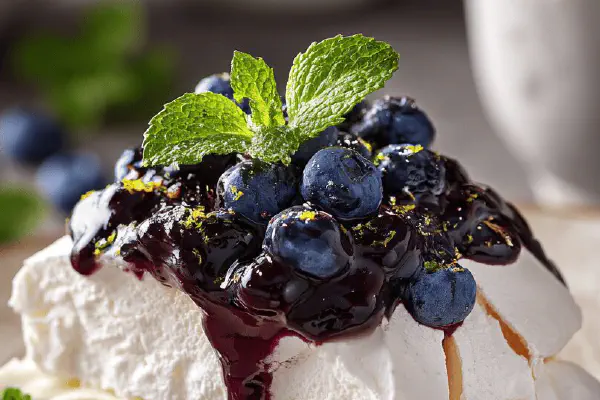
Maple Blueberry Pavlova
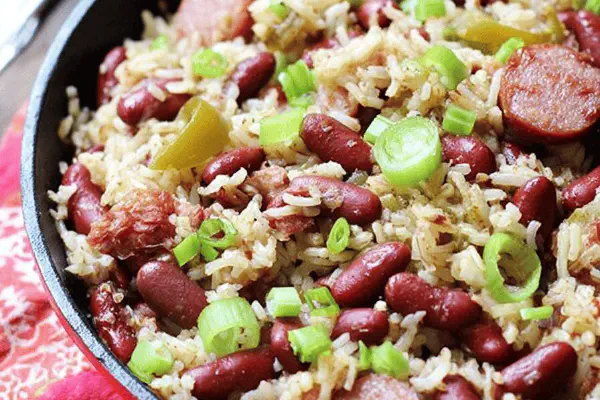
One-Pot Red Beans Rice
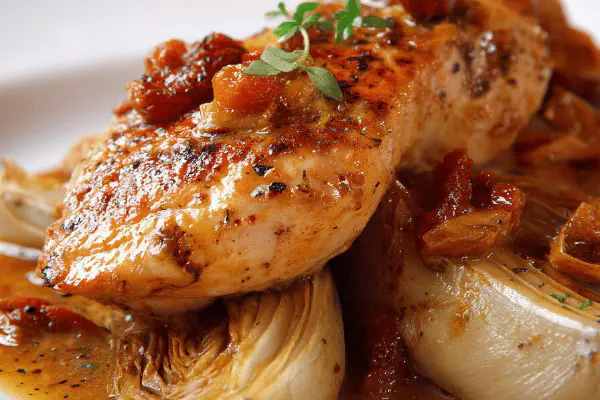
Beer Chicken with Apricots
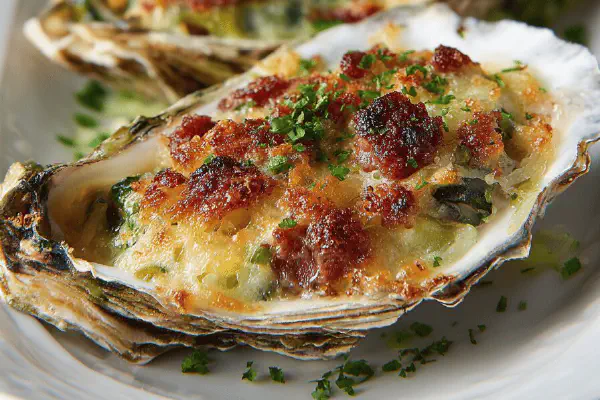
Gratinated Chorizo Oysters
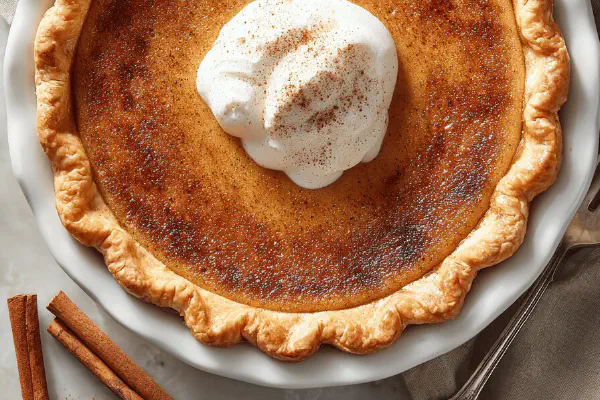
Maple Sugar Pie Twist
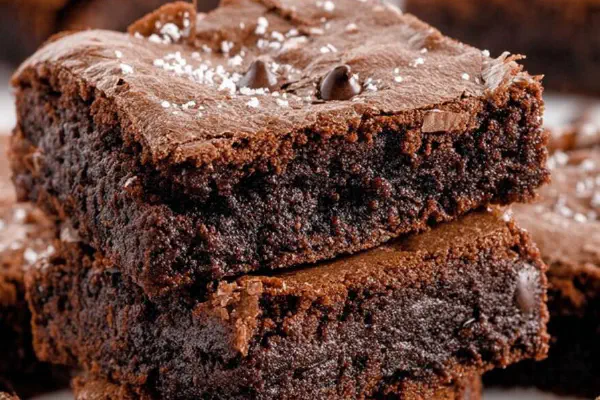
Cake Mix Brownies Twist
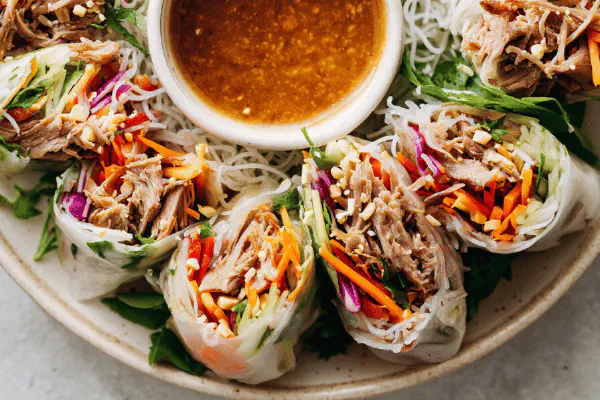
Duck Spring Rolls
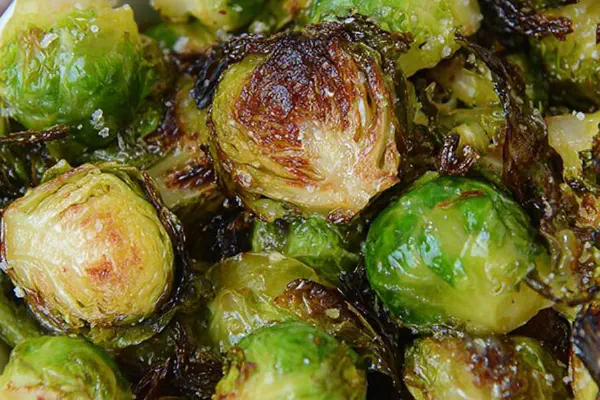
Crispy Garlic Brussels
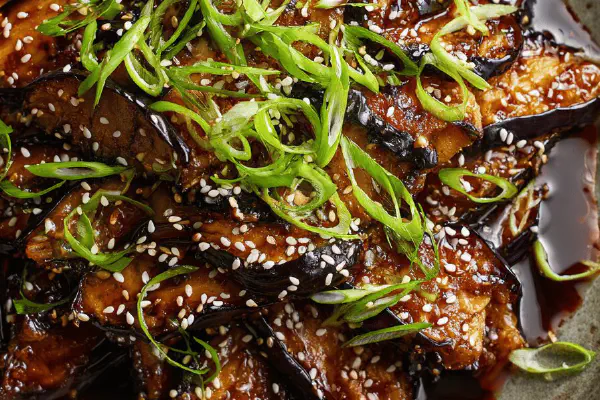
Miso-Glazed Eggplants
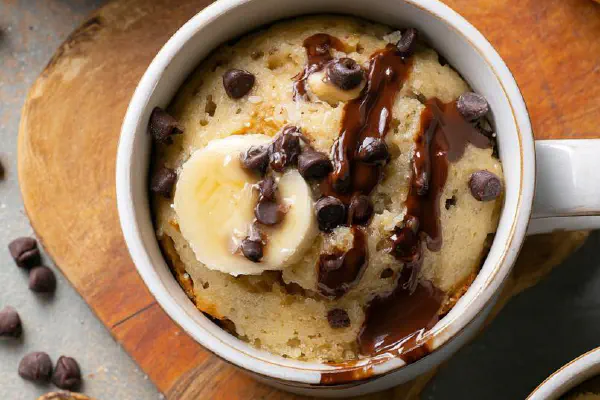
Twisted Banana Mug Cake
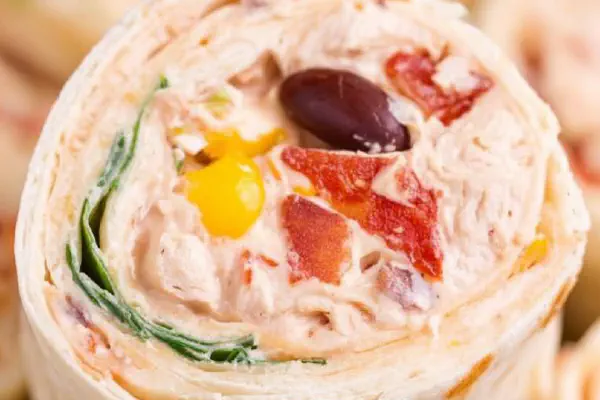
Southwest Chicken Pinwheels
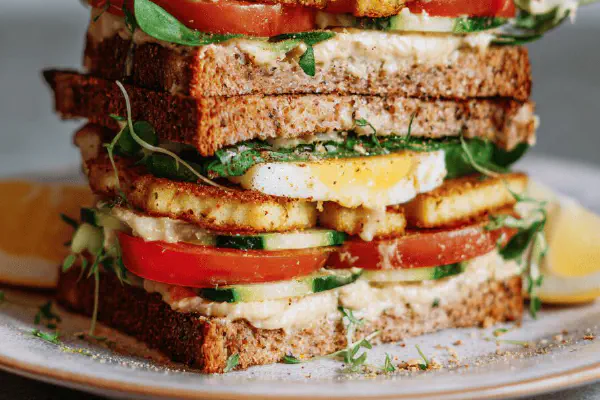
Egg & Zucchini Club Sandwich