Featured Recipe
Herb Nut Pesto Twist
By Kate
"
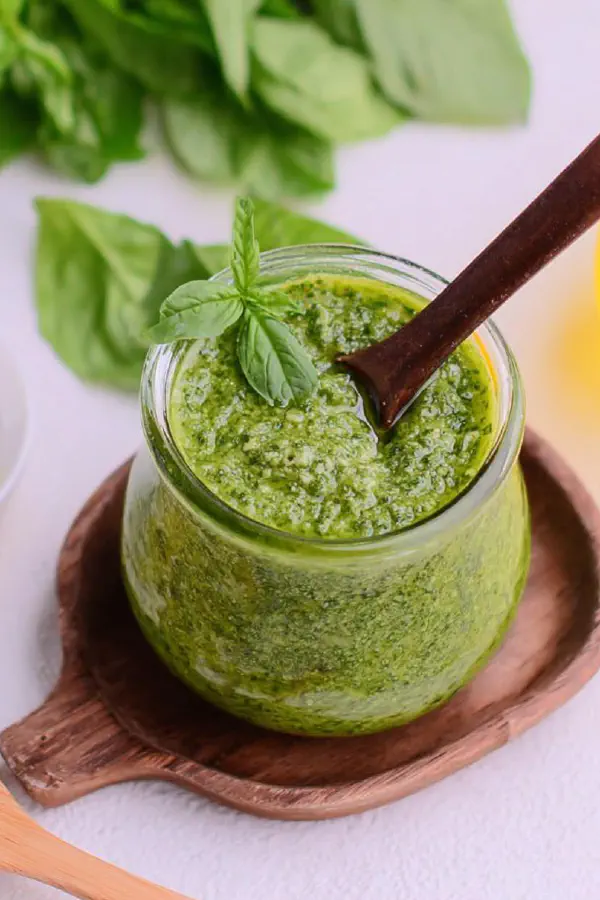
A vibrant pesto blending toasted walnuts and Pecorino Romano with fresh arugula and basil. Garlic and parsley provide depth; olive oil binds. Toss with pasta or spread on bread. Refrigerate cooling to keep vibrant green. Notes on substitutions and timing cues throughout. A rustic, textured sauce with bold herb flavors and nutty backbone.
"
Prep:
6 min
Cook:
0 min
Total:
6 min
Serves:
4 servings
pesto
sauce
Italian
quick recipe
Introduction
Bright green. Herbaceous punch loaded with nutty warmth. Classic interwoven with a peppery arugula twist, Pecorino Romano swaps Parmesan for sharper edge. Crunch from toasted walnuts, not oily pine nuts this time; more rustic more depth. Garlic raw so it bites but not screams. Olive oil pulls disparate ingredients together, coats pasta rather than pooling. A bit of salt balances all. Texture coarse, not smooshed pulp or smooth paste. Vibrancy and balance hinge on pulse timing and ingredient prep. Refrigerate slows enzymatic darkening but stiffens sauce needing revival before serving. No fluff — just a tested blend that works fast, tastes bold, and keeps its edge.
Ingredients
In The Same Category · Flavor Boosters
Explore all →
Cornstarch Slurry Twist
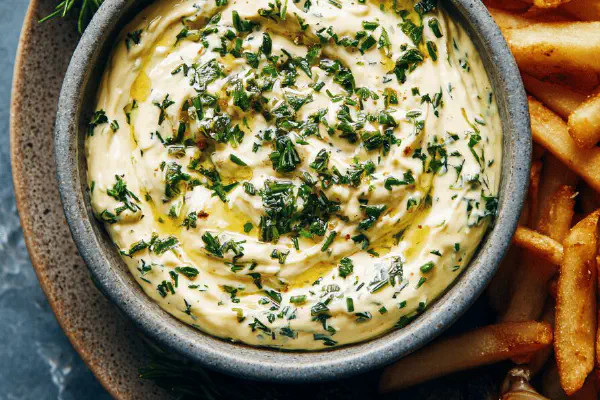
Garlic Herb Aioli
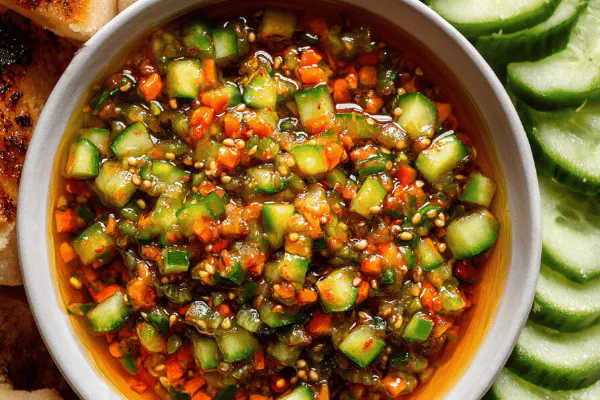
Mom’s Cucumber Ketchup Remix
Zesty Charred Tomatillo Salsa
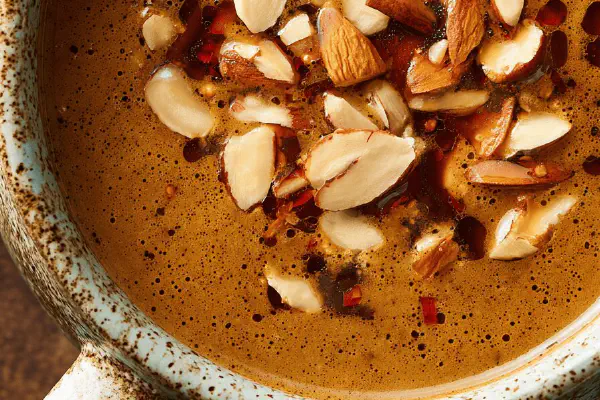
Almond Vinaigrette Sauce

Citrus Syrup Remix
Brown Butter Herb Infusion
Mushroom Garlic Butter
Balsamic Cherry Ham Glaze
Smoky Pickling Spice Mix
Smoky Chipotle Taco Rub
Custom Poultry Blend
Oven Roasted Garlic Twist
Pumpkin Spice Caramel Syrup
Quick Herb Emulsion
Cola BBQ Sauce Remix

Rustic Strawberry Sauce
Smoky Kentucky BBQ Sauce
Vodka Orange Fennel Mignonette
Tangy Poppy Seed Drizzle
Maple Beer Aioli
Buttermilk Mustard Marinade
Alabama Tangy White Sauce
Spicy Aioli Twist
Savory Mushroom Mix
Spicy Butter Buffalo Sauce
Caribbean Spice Blend Remix
Fruity Sea Buckthorn Chutney
Rustic Turkey Gravy
About the ingredients
Walnuts lend a darker flavor and crunch versus pine nuts, less expensive and easily found. If you want mellower, substitute toasted cashews but watch oil content. Pecorino Romano substitutes Parmesan adding sharper saltiness; either hard cheese works fine. Fresh basil must be vibrant green - limp leaves mean dull flavor and muddy color after processing. Arugula brings peppery bite; omit or swap spinach if sensitive to pepperiness but expect different flavor profile. Garlic quantity can be adjusted depending on raw bite preference - 4 cloves is balanced but reduce if sensitive. Olive oil - use good quality extra virgin but not overpowering fruity type which can distract. Salt and pepper should be measured but adjusted to taste after—you can always add more. Toast nuts slowly to prevent burning and bitter notes; smell and sight cues guide you better than time. Keep herbs dry to preserve color and avoid dilution from water droplets.
Method
Toast nuts.
- Place walnuts in a dry skillet over medium heat. Toast until fragrant and just starting to brown, about 3 minutes. Listen for faint crackle, smell nutty warmth. Shake pan frequently to avoid burning. Cool slightly.
- Drop toasted walnuts into food processor. Pulse several times until coarse crumbs appear, not a puree. This step builds texture, prevents oily paste.
- Add garlic, basil, arugula, parsley. Pulse in short bursts, scraping sides once or twice. Watch color shift from bright green to slightly muted emerald, coarse grain still visible. Over-processing kills vibrancy and texture.
- Add Pecorino Romano, salt, pepper. Pulse 3-4 times. Cheese adds salty tang, balancing greens and nuttiness.
- Slowly drizzle olive oil through feed tube while pulsing. Stop when mixture is well combined but still grainy - not oily or emulsified smooth. Proper thickness clings to pasta without pooling.
- Use immediately tossed with pasta or as spread on warm crusty bread. Pesto stiffens when refrigerated; bring to room temp and stir with fork before use. Keeps up to 5 days sealed airtight.
- If nuts are oily, reduce oil added. Use pine nuts or almonds if walnuts unavailable, though flavor shifts. Arugula adds peppery bite; replace with spinach for milder taste. Garlic intensity can be dialed by quantity, raw always sharp. Over-processing causes bitter taste—pulse short bursts only.
- Color is key: vibrant green signals fresh herbs and minimal oxidation. Texture should be coarse with tiny bits of nuts visible for mouthfeel. If paste clumps or seems dry, add more olive oil teaspoon by teaspoon until desired consistency.
Process base
Add aromatics and greens
Cheese and seasoning
Oil incorporation
Usage and storage
Troubleshooting and tips
Final notes
Technique Tips
Start by warming pan to low-medium and toast walnuts in a single layer shaking pan to even toast. Watch carefully; burnt nuts ruin sauce flavor. Cool nuts before processing or risk melting oils too early. Use short pulses in food processor—avoid holding switch down, it overheats herbs, turning color dull and flavor bitter. Scrape sides at least once to ensure even chopping. Introduce oil gradually; proper consistency means pesto clings to pasta without slipping off in oily puddles. Keep an eye on color through pulses - fresh green shifting to matte emerald signals readiness, not brown or dark green. If sauce seems dry after first pulse with oil drizzle, add more olive oil a teaspoon at a time. Store airtight in fridge but note it will thicken as oils solidify - bring to room temp and stir well before using. If too thick, stir in small amounts of water or oil to loosen. Don’t skip seasoning - salt and pepper lift flavor from vegetal base. Use leftovers beyond pasta too - slather on bread, mix with mayo for sandwich spread, or thin with vinegar for salad dressing. Timing is visual and aromatic - smell must be nutty without burnt notes, herbs smell fresh and grassy, garlic pungent but not overpowering. Texture coarse yet combined is the target, not pulpy mush.
Chef's Notes
- 💡 Use quality nuts. Walnuts add depth. Alternatively, pine nuts or almonds work. Different flavors. Watch toasting closely. Underripe nuts ruin flavor.
- 💡 Garlic changes bite. Four cloves balanced but adjust if sensitive. Too much can overpower. Start lower for milder taste. Raw garlic is sharp.
- 💡 Storage matters. Pesto thickens in fridge. Bring to room temp. Stir before use. If too stiff, add oil teaspoon by teaspoon.
- 💡 Fresh herbs crucial. Limp basil or arugula means dull pesto. Use vibrant greens. If arugula too peppery, swap with spinach for milder.
- 💡 Pasta clinging technique. Right oil amount is key. If oily puddles form, mix less. Texture should be grainy, not smooth.
Kitchen Wisdom
How long can I store pesto?
Up to five days in fridge. Seal airtight. Thickens when cold. Revive by stirring.
What to do if too salty?
Add more herbs. Or nuts. Balance flavors out. Drop one ingredient overwhelms.
Can I use other cheeses?
Yes. Substitute Parmesan for Pecorino. Adds different saltiness. Just ensure same texture.
Nuts feel oily while toasting?
Reduce oil added. Check quality. Keep close eye while toasting. Over toasting leads to bitterness.
You’ll Love These Too
Explore all →
Hearty Chicken Chili Soup
Thanksgiving Stuffed Mushrooms
Shrimp Mango Cocktail
Apple & Butternut Stuffing
Herb-Infused Pan-Seared Chicken

Keto Cloud Bread Twist

Mini Peanut Butter Cheesecakes
Pork Tenderloin with Molasses and Ginger
Zesty Herb Couscous
Salmon Lentil Bed
Herbed Creamy Potato Salad

Steak Frites Redux
Coca-Cola BBQ Chicken

Ham Pimento Egg Cups

Galette Royale Twist
Tart Citrus Cream Pie
Cheesy Mac Bacon Crunch
Green Veggie Salad with Roasted Shallots
Onion Goat Cheese Salad

Egg Salmon Fish Roe Sandwiches

Twisted Cake Mix Cookies

Lobster Pea Benedictine

Festive Layered Dunkaroo Dip

Strawberry Jalapeño Crostini Remix

Twist Pumpkin Coffee Cake
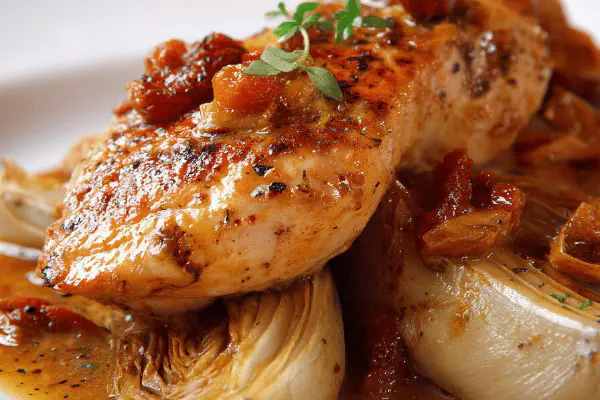
Beer Chicken with Apricots
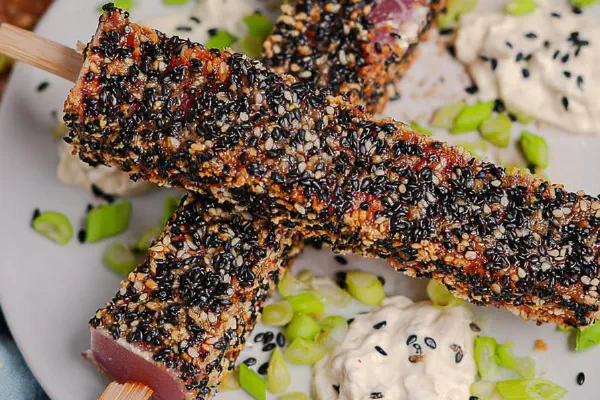
Sesame Crusted Tuna Twist
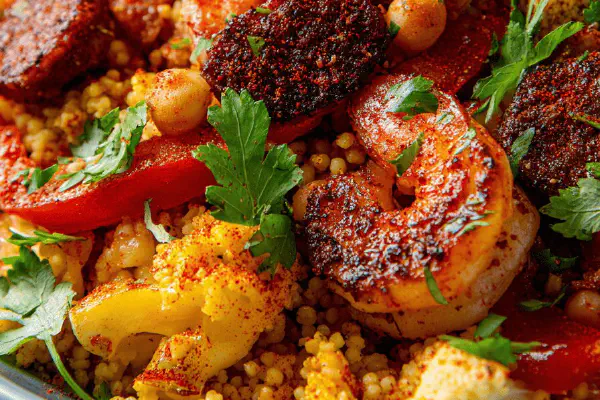
Shrimp and Spiced Sausage Couscous

Golden Croissants with Rum Caramel