Featured Recipe
Oreo Cream Freeze Cake
By Kate
"
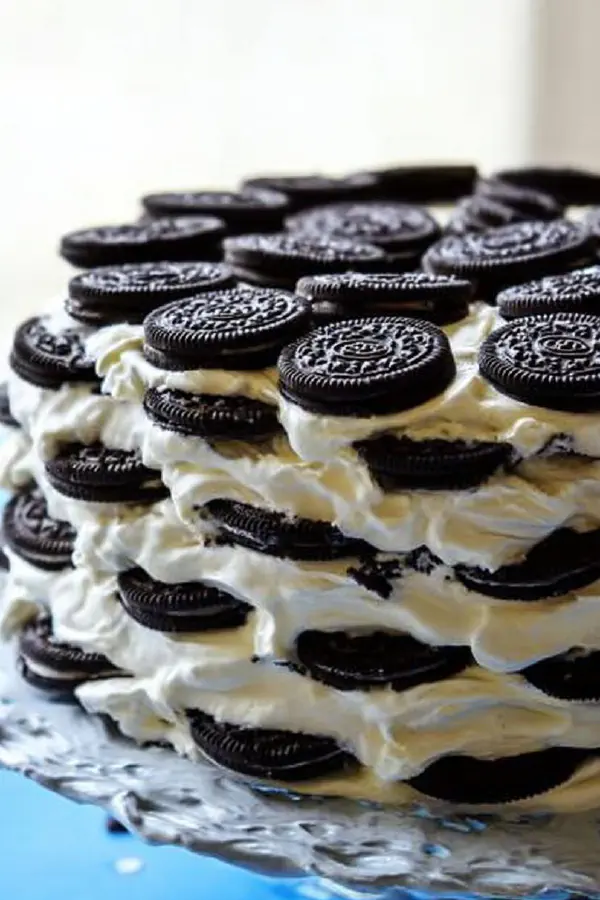
A layered no-bake cake built from chocolate sandwich cookies and a rich cream mixture. Heavy cream whipped with powdered sugar and vanilla. Cream cheese softened then folded in to add density and tanginess. Cookies arranged in staggered circles, anchored with dabs of cream—forming a cake without baking. Chilling the layered assembly brings cookies into cake form as they absorb moisture, changing texture from crisp to tender. A quick prep with a hands-on feel, requiring patience for chilling. Offers freedom to swap ingredients and experiment with flavors while keeping a solid structure.
"
Prep:
40 min
Cook:
0 min
Total:
4h 40min
Serves:
10 servings
dessert
no-bake
chocolate
layered cake
cream
Introduction
Skipping ovens here, relying on cold assembly and a magic trick where cookies soak up cream to become soft, cake-like layers. Texture plays a starring role. You can’t rush the soak or the chilling, or you end with a crumbly mess rather than a cake you slice like a dream. Swap cream cheese for mascarpone to lighten flavor and add a silky balm against the cookie’s bold crunch. Toothsinks with contrast. Add nuts if dullness creeps. Whipping cream enough to hold but still yield is a sort of Zen moment—watching the volume change, cream starting to hold peak shapes. Freeze out excess moisture from iced cookies with quick dabs of cream so they don’t slip and slide, acting as glue to a sturdy, sliceable structure.
Ingredients
In The Same Category · Sweet Treats
Explore all →
Poached Pears Dark Chocolate
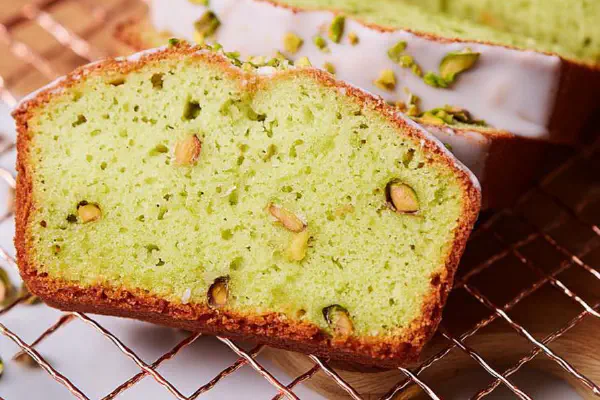
Pistachio Loaf Cake
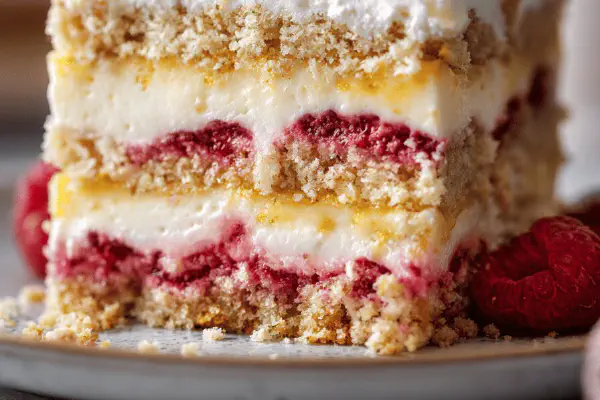
Iced Rhubarb Cake

Spiced Rum Eggnog Crème Brûlée
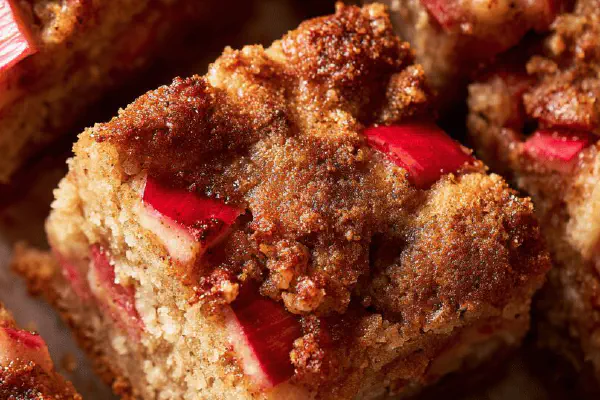
Rhubarb Spice Cake
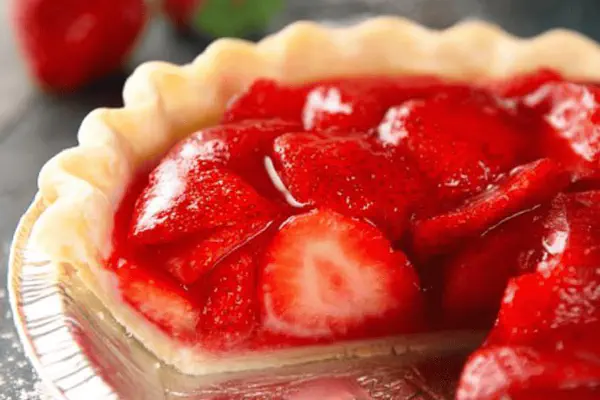
Citrus-Spiced Strawberry Pie
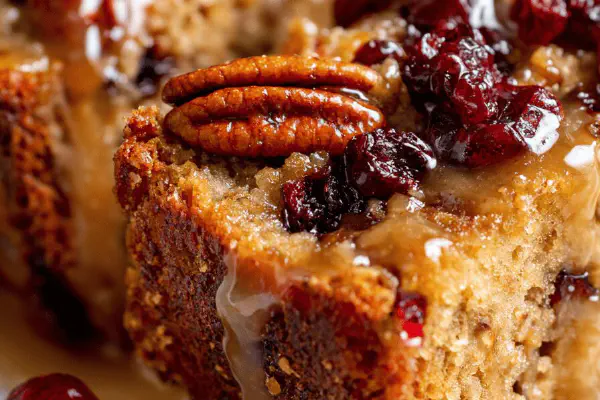
Apple Pecan Loaf with Maple Glaze
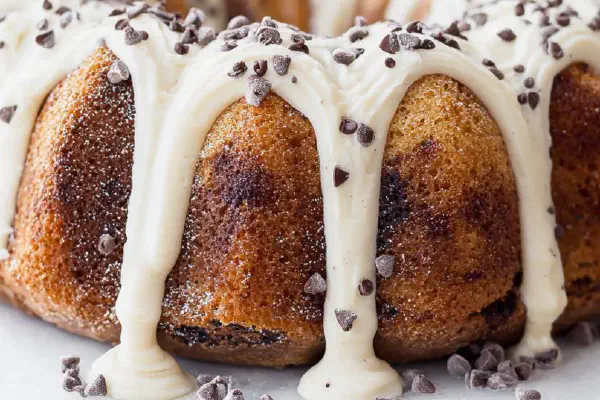
Chocolate Chip Swirl Bundt Cake

Chewy Spiced Molasses Cookies
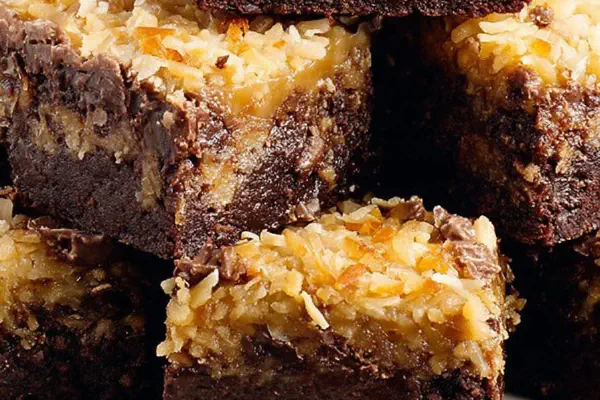
Twisted German Choco Brownies
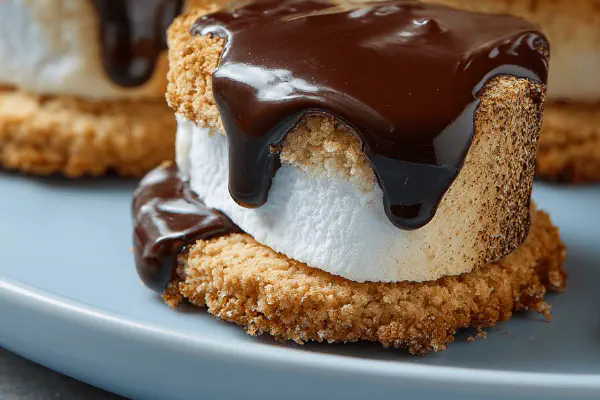
Marshmallow Chocolate Cookies
Sweet Potato Pie Twist
Cherry Almond Squares
Birthday Crumb Delight
Velvet Chocolate Frosting
Crunchy Panettone Brioche
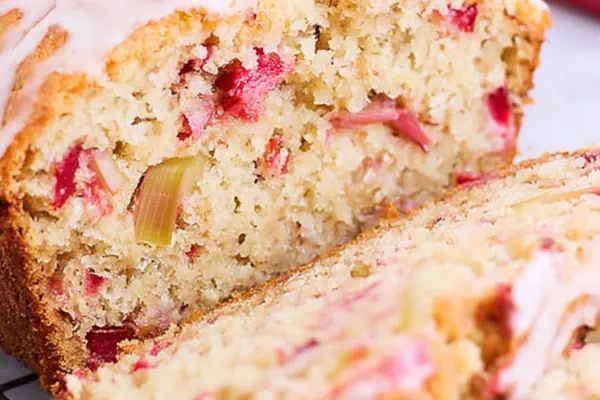
Tart Rhubarb Loaf
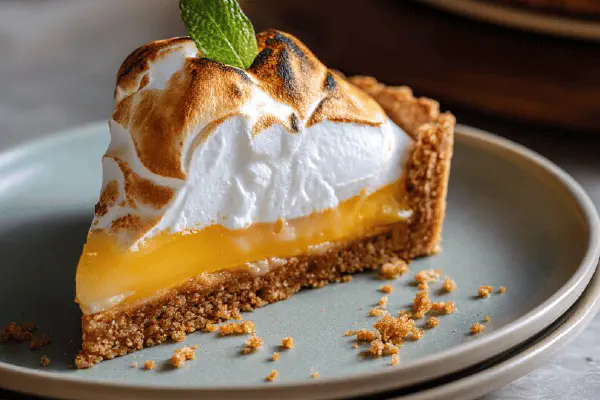
Sea Buckthorn Meringue Tart

Pumpkin Spice Donut Bites
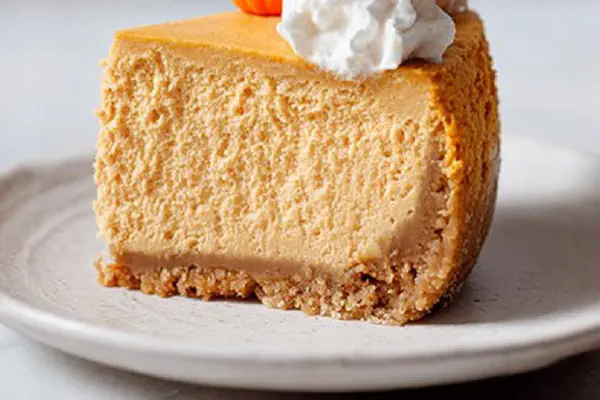
Instant Pot Spiced Pumpkin Cheesecake
Chunky Cherry Jam Twist
Salted Caramel White Chocolate Cookies
Vanilla Berry Trifle Remix

Cookie Dough Truffles Twist
Fruit Juice Jelly Twist
Chocolate Oreo Protein Ice Cream Remix
Apple Puddings Air Fryer
Gingerbread White Fudge Remix
Pumpkin Choc Chip Bundt
About the ingredients
Switching cream cheese for mascarpone both softens acidity and adds a silkier richness. Powdered sugar is preferred over granulated for no crunch surprise. Vanilla is mandatory for flavor lift. Toasted pecans give a necessary counterpoint to sweetness and texture. Alternatives: cream cheese is fine, but soften properly. Coconut sugar or maple sugar can replace powdered sugar, but texture changes—powdered sugar blends smoother. Cookies vary drastically; double-stuffed recommended for cream balance. If cookies go stale, briefly toast to revive crunch before assembly. Room temp ingredients blend easier—chilled creams resist smooth folding.
Method
Whip cream and sugar
- In a large bowl, whip heavy cream with powdered sugar and vanilla. Beat until soft, billowy peaks form. Stop before stiff peaks to avoid breaking the cream structure. Texture should hold but still pliable. Silence signals a smooth ride. Too much stiffness means it will clump and resist incorporation.
- Soften mascarpone to near room temp — microwave briefly if needed but cool fully to avoid melting cream. Beat until silky smooth. Tiny lumps are stubborn and throw off texture. The goal is a velvety spread, no graininess.
- Add mascarpone gradually to the whipped cream, folding gently to keep airiness intact. Aggressive stirring crushes volume, ends up dense and greasy. Layered mouthfeel relies on lightness yet holds shape. Watch color shift to pale ivory, glossy but firm. Taste tests reveal subtle sharpness. Balance is key.
- Choose a sturdy plate to build on. Arrange 15 cookies in a circle: base layer with an outer ring of 12 and 3 inside in a triangle pattern. Lift each cookie, spread a small spoon of cream under, then stick to plate. This anchors layers and prevents sliding. Repeat carefully, using the cream as glue. Spread 1/2 cup cream over the first layer, smooth near edges but leave cookie rims visible—signs of structure and reference.
- Add a second layer of 9 cookies, stagger them over gaps in first circle. This offset stacking avoids vertical collapse. Dab cream beneath again to fix.
- Alternate layers, one cookie fewer each time, finishing with a few orphan cookies at the top to create a subtle dome. Use remaining cream for the top, spread thinly but evenly, allowing cookie edges to peek through.
- Sprinkle chopped toasted pecans between the last cream layer and cookies. Nuts add texture contrast and a nuttiness that lightens the sweetness. Skip nuts for allergies or swap with shredded coconut or chopped dried cherries for a twist.
- Cover with plastic wrap lightly. Refrigerate at least 3 hours; overnight preferably. The longer the chill, the better the cookies soften and meld with cream, creating sliceable layers that hold without crumbling. Forgetting chilling leads to crumble city. Patience here is essential.
- Use a serrated knife warmed under hot water, wiped dry, to slice through layers cleanly without crumbling. Serve cold, keep leftovers refrigerated to prevent cream softening too much. Allow standing room temperature 5 minutes before serving to release flavor and soften edges slightly—hear a slight give, not total melting.
Cream cheese preparation
Blend cream and cheese
Cookie layer assembly
Chilling period
Serving instructions
Technique Tips
Whipping cream to soft peaks avoids breaking structure; check by lifting whisk – peaks should bend but hold. Over whipping scraps volume. Maskarpone softening needs patience; overly melted cheese ruins texture. Folding preserves air—never mix vigorously. Staggering cookies prevents stack failure. Adding cream beneath each cookie acts like glue, distributes weight evenly. Cover tightly to avoid fridge odors and crusts forming on cream surface. Chilling transforms texture—short times yield firm cookie crunch, longer times get cake-like softness. Use serrated hot knife for neat slices; cold knives stuck or crumb. Adjust chilling if higher humidity, as moisture absorption quickens. Leftovers keep ~3 days refrigerated; freezable but expect texture change, sogginess post-thaw. Nut substitutions offer customizable crunch and flavor profiles. Avoid stacking cookies directly or you’ll get a dense log not a cake. The assembly sequence demands attention and patience; don’t skip steps otherwise layer fall.
Chef's Notes
- 💡 Whipping cream? Soft peaks only. Too stiff, hard to fold. The sound, like a light whip, indicates readiness. Use a chilled bowl for better volume. Pause and check texture often.
- 💡 Mascarpone needs softening, microwave briefly but don’t overdo. Room temp helps blending smooth; otherwise, lumps appear. Lumps ruin the creamy texture. Beat until it’s silky.
- 💡 Layering cookies? Staggering is crucial. Cookies should not align directly; avoid vertical collapse. Use cream as glue—dabs keep them anchored. Don’t rush lathering each cookie.
- 💡 Chilling time varies; patience is key. Minimum 3 hours, longer better for melding flavors and softness. Use a timer, avoid cutting too soon. You want cake-like texture.
- 💡 Slice with a hot serrated knife for neat cuts. Warm knife glides through without tearing. Cooled cakes can crumble; control the temperature tight for clean edges.
Kitchen Wisdom
What if my cream doesn’t whip?
Check cream freshness. Needs fat content above 36%. If it won’t stiffen, cool and try again. Use chilled bowl also.
Can I use regular cream cheese instead?
Sure, but beat until smooth. Might change texture slightly. Use powdered sugar to counter sharpness. Adjust sweetness as needed.
How do I store leftovers?
Keep refrigerated 3 days max. Use airtight container. Freezing is an option, but texture suffers. Apply extra cream for moisture.
What if it’s too sweet?
Add nuts like pecans. Alters texture too. Or use less powdered sugar initial blend then taste. Balance is critical for overall flavor.
You’ll Love These Too
Explore all →
Citrus Gin Fizz Twist
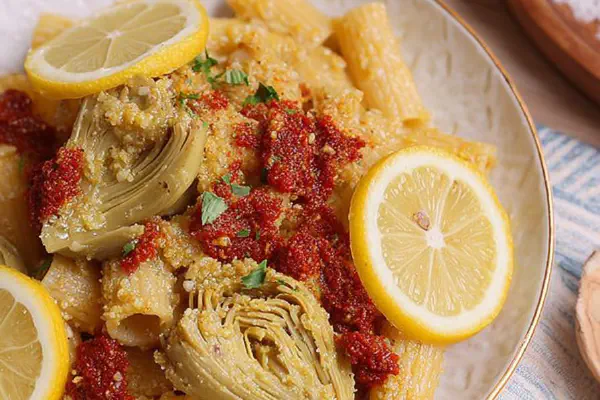
Zesty Artichoke Pesto Pasta
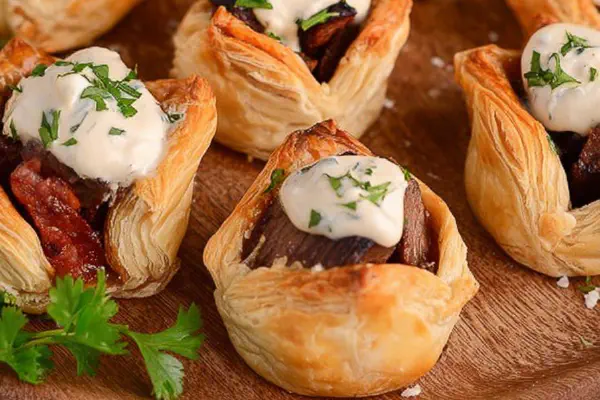
Mini Beef Wellingtons
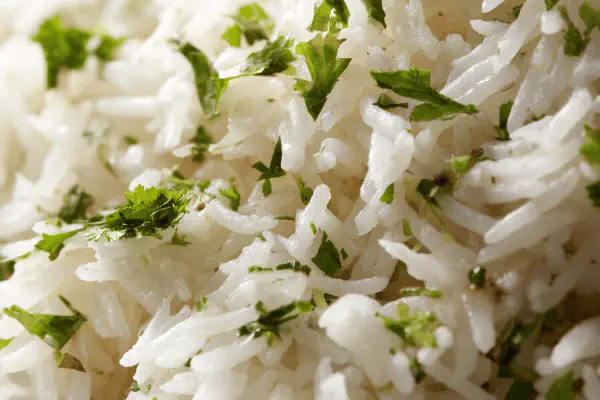
Microwave Basmati Rice
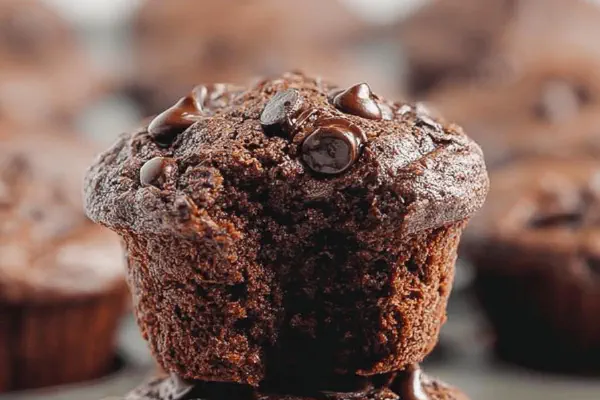
Dark Cocoa Muffins
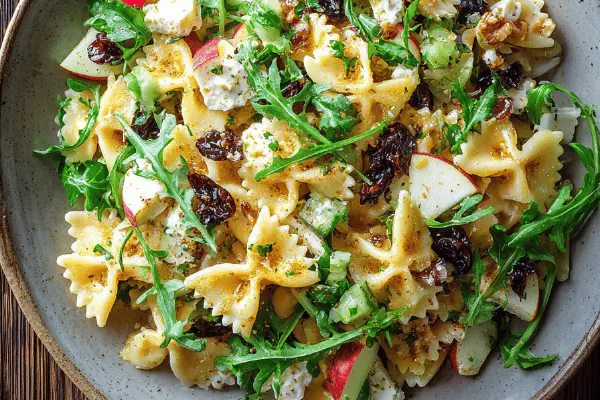
Bowtie Pasta Salad with Apples and Feta
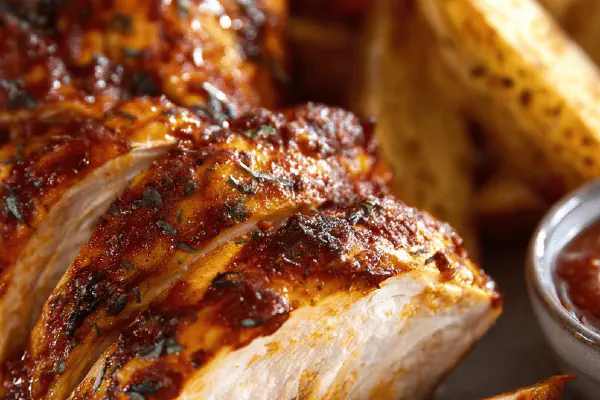
Oven BBQ Chicken Twist
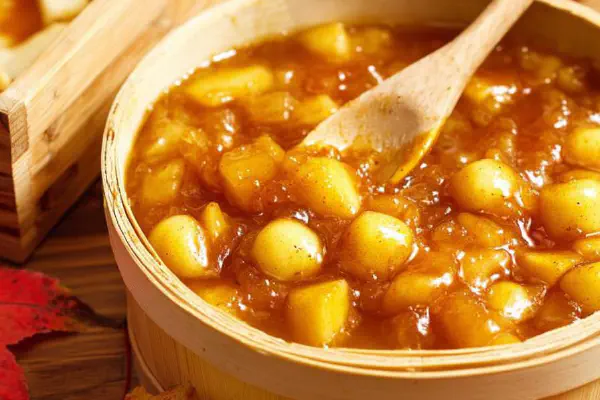
Rustic Apple Pie Fill
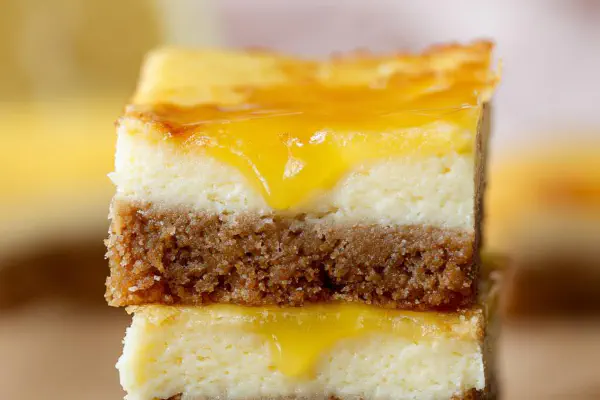
Lemon Cream Cheese Bars
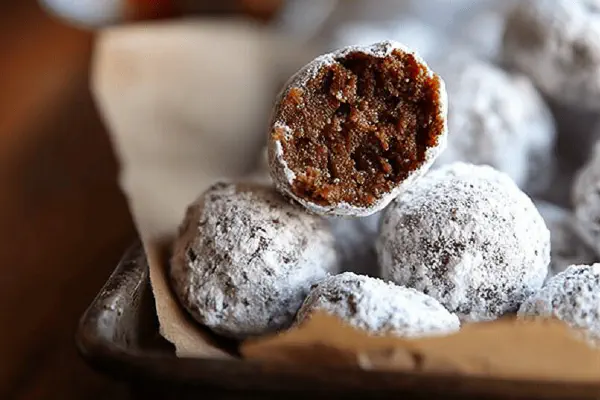
Boozy Cocoa Balls
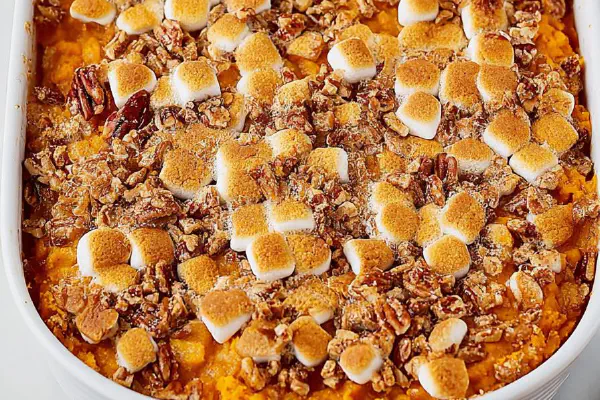
Sweet Potato Pecan Bake
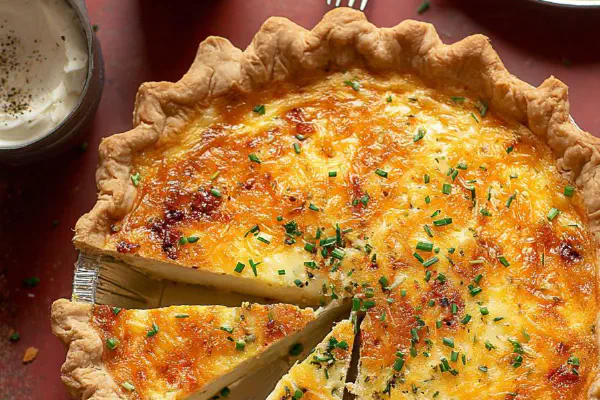
Smoky Ham and Swiss Quiche
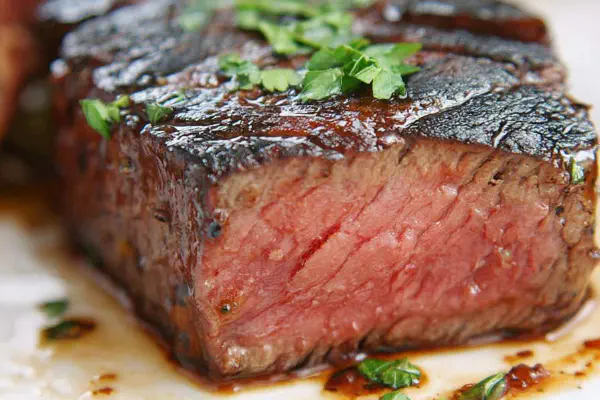
Zesty Garlic-Lime Steak Marinade
Rustic Tropézienne Brioche
Cinnamon Almond Horchata
Vegan Whipped Cream Twist
Spiced Clementine Marmalade
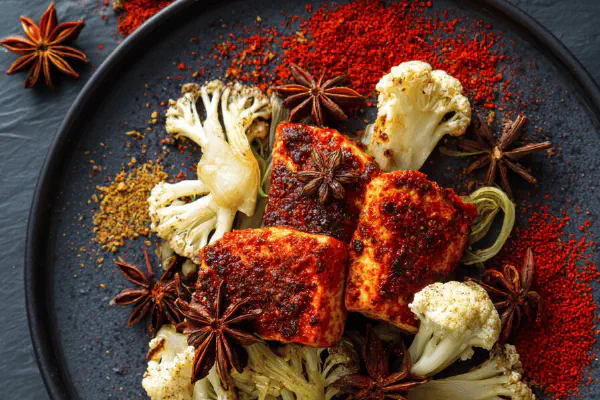
Tandoori Spice Mix Remix

Chunky Chicken Corn Chowder
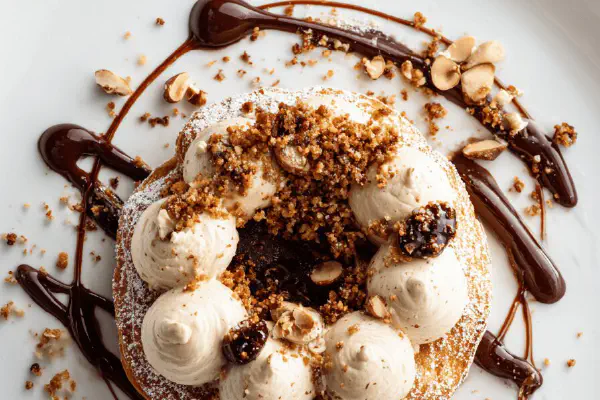
Almond Paris-Brest Twist
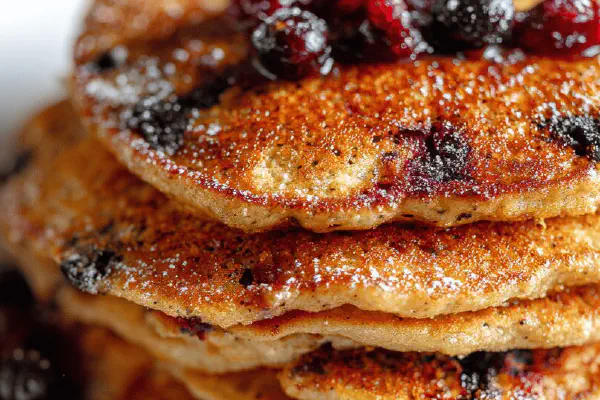
Blueberry Pancake Mix

Sweet Potato Broccoli Salad
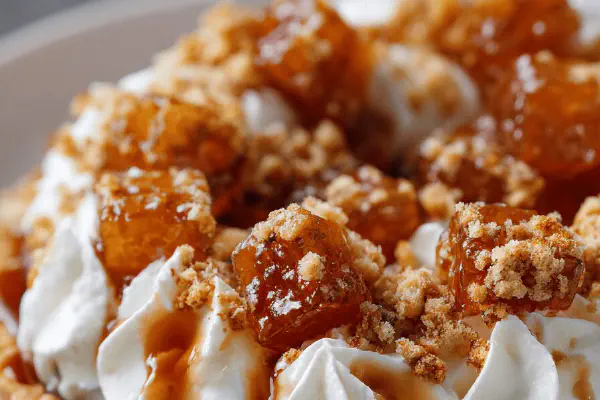
Maple Tart with Whipped Cream
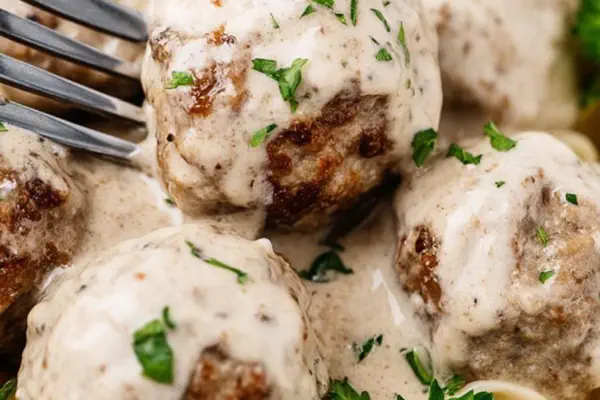
Slow Cooker Swedish Meatballs
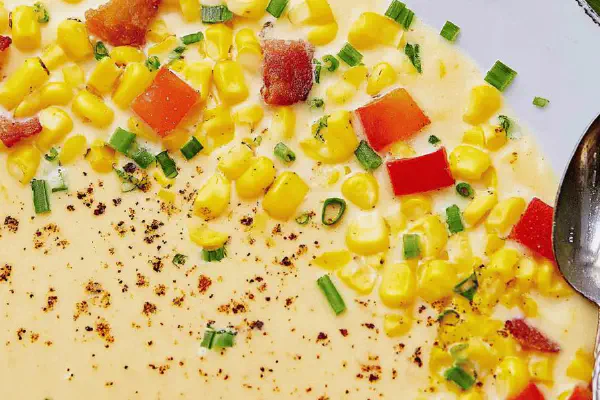
Pressure Cooker Corn Chowder

Spiced Eggnog Pudding Remix
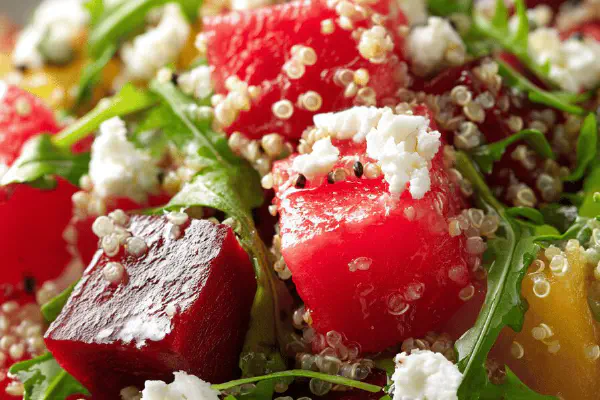
Quinoa Salad with Melon and Beets
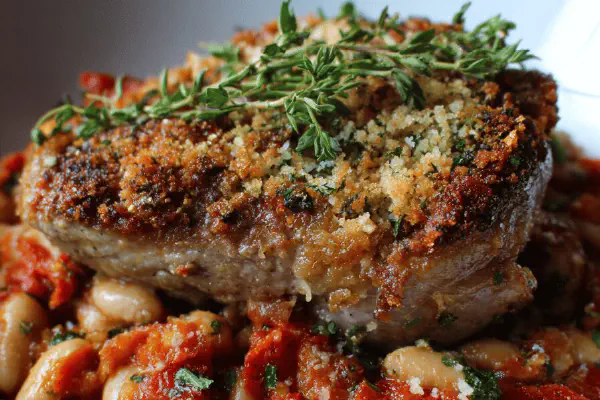
Hearty Cassoulet Redux
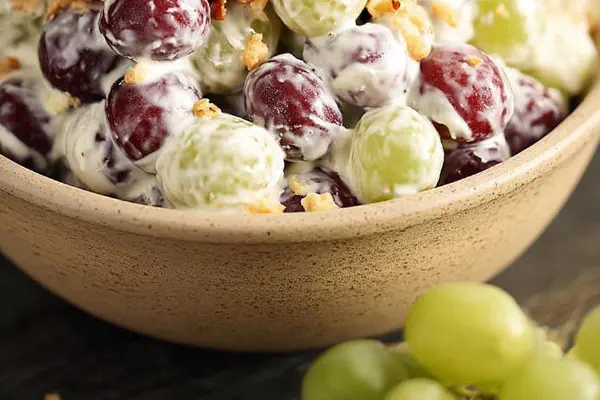
Creamy Grape Salad Remix