Featured Recipe
Oven Baked Beans Upgrade
By Kate
"
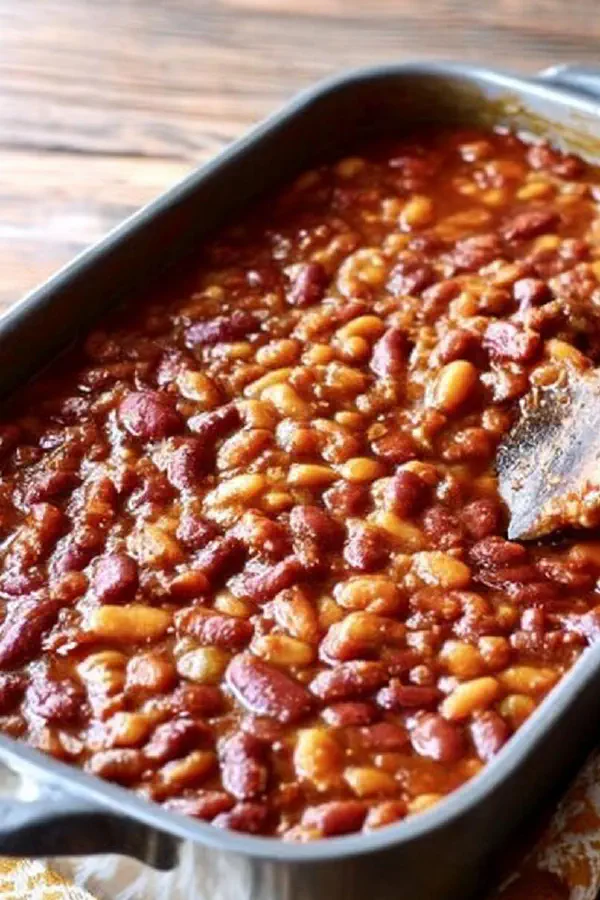
Classic baked beans. Oven roasted low and slow. Subtle swaps for richer flavor and texture. Uses navy beans swapped with cannellini for creamier bite. Maple syrup replaces brown sugar for deeper sweetness. Added smoked paprika brings mild fire and earth. Onion swapped with shallots, finer and sweeter. Slow bake till bubbling, edges caramelized, aroma thickened. Focus on tactile cues—listen for subtle simmer crackles, watch for gentle bubbling rising. No lid, crust forms. Sauce thickens from steam evaporation. Serve thick, not soupy. Backup: can simmer on stove for last 10 minutes if crust lags. Ideal for potlucks, BBQs, chilled leftovers better next day. Practical, satisfying, no fluff.
"
Prep:
7 min
Cook:
50 min
Total:
57 min
Serves:
6 servings
beans
comfort food
southern cuisine
BBQ
Introduction
Beans slow-baked. Not just dump and cook. Layers of flavor happen in oven heat spread evenly, moisture tightrope walked between too dry and too wet. Change up from standard navy to cannellini—creamier bite without mush. Whole shallots instead of chopped onions, softer sweetness that melts into sauce. Maple syrup instead of brown sugar, gives natural with subtle smoky caramelization hints. Smoked paprika adds earth and warmth, not just heat. Old school method but tweaked with precision. Learn to read the beans bubbling, listen to soft hiss of steam, watch golden edges push color and flavor. No timers rule only instincts. Beans come alive when you pay attention. Bacon’s smoky richness spreads slowly in heat, marrying sweet and acidic notes. A reliable dish when done right, avoids gummy texture or cloying sweetness. Always plan leftovers. They get better. But no cooking shortcuts beyond covered finish for rushed day. Perfect for those who know closely what beans should look and feel like.
Ingredients
In The Same Category · Perfect Sides
Explore all →
Green Bean Salad with Red Wine Dressing
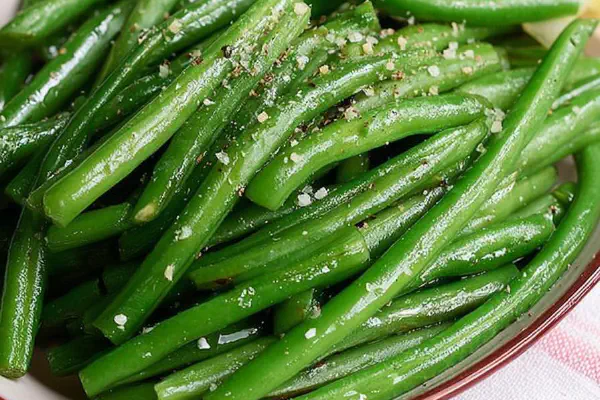
Steamed Snap Beans Twist
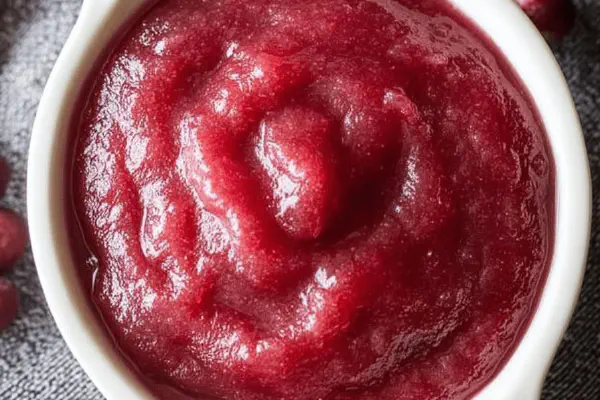
Spiced Cranberry-Apple Sauce
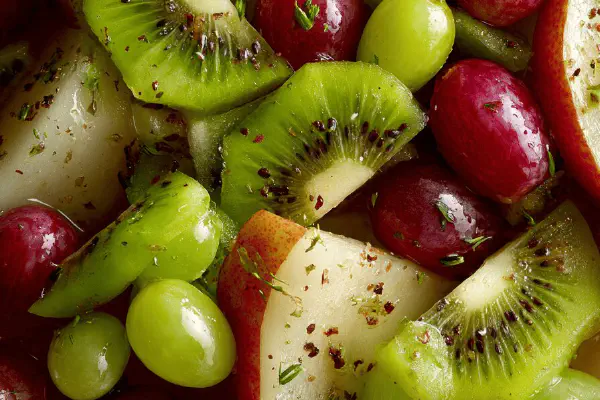
Pear Grape Salad Twist
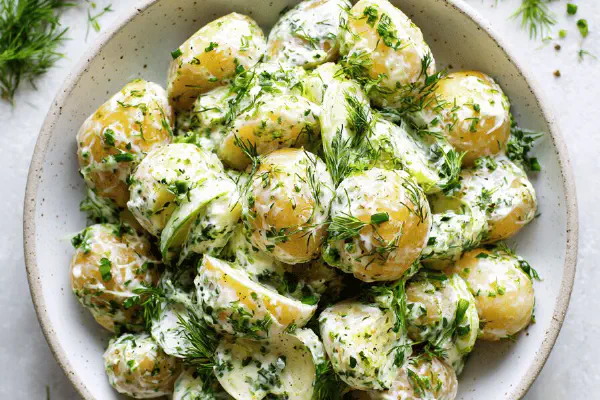
Herbed Creamy Potato Salad

Twisted Cornbread Classic

Tangy Herb Potato Salad
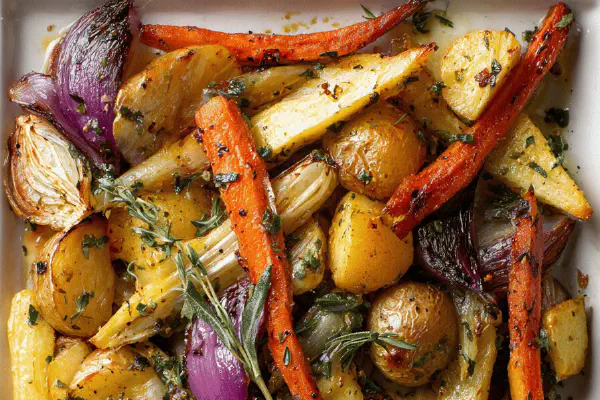
Roasted Root Medley
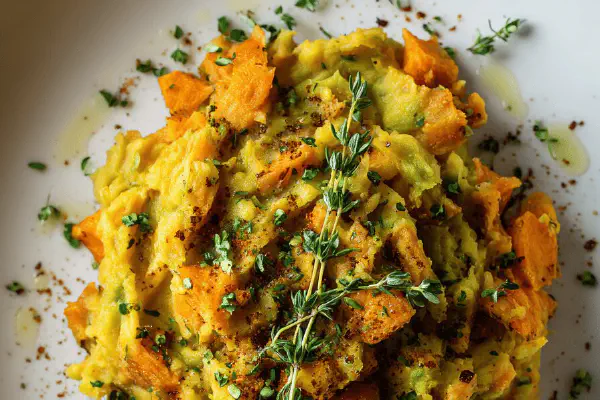
Olive Oil Potato Mash
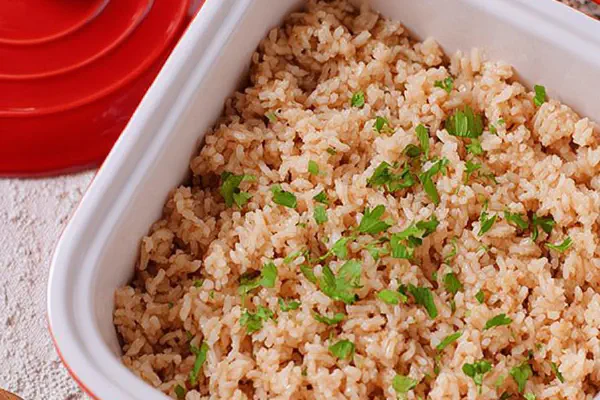
Oven Buttered Rice
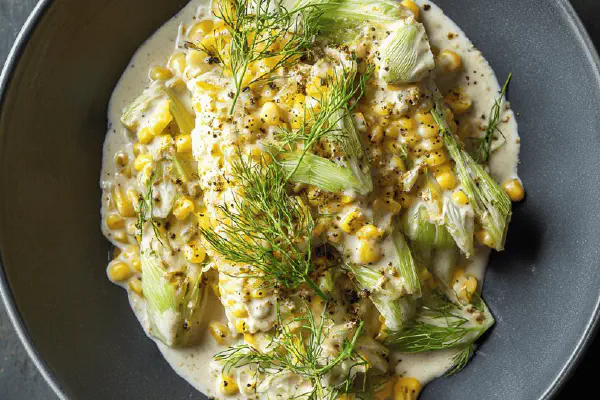
Creamy Garlic Fennel Corn
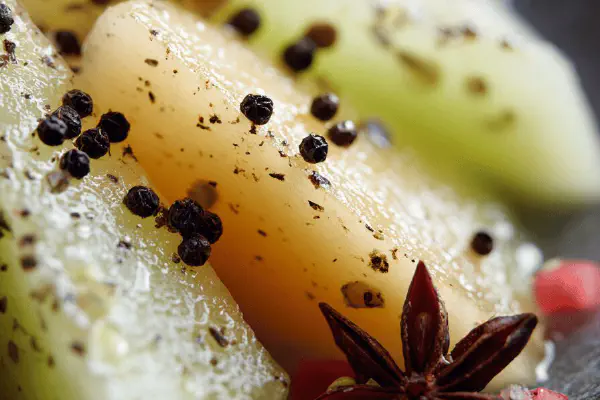
Marinated White Melon Julienne
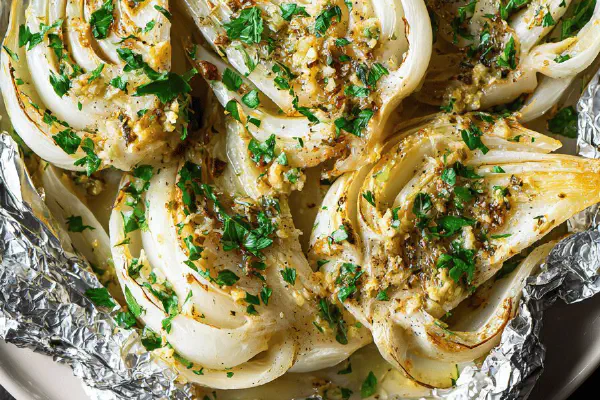
Fennel Papillote with Herb Butter
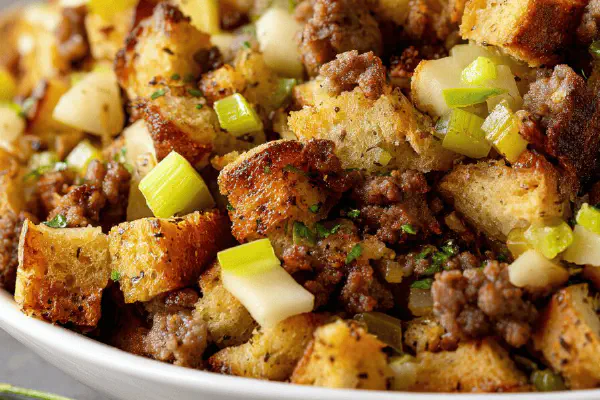
Apple Sausage Stuffing
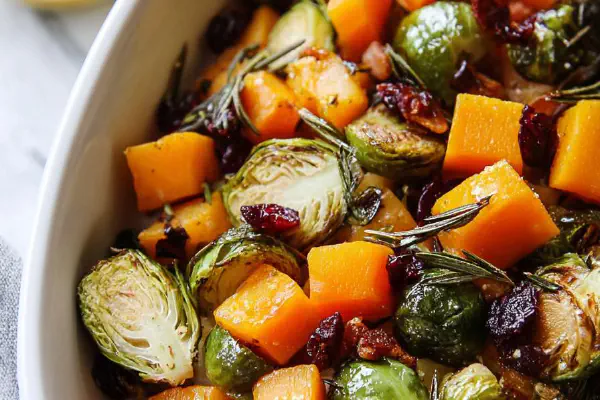
Roasted Brussels Butternut Medley
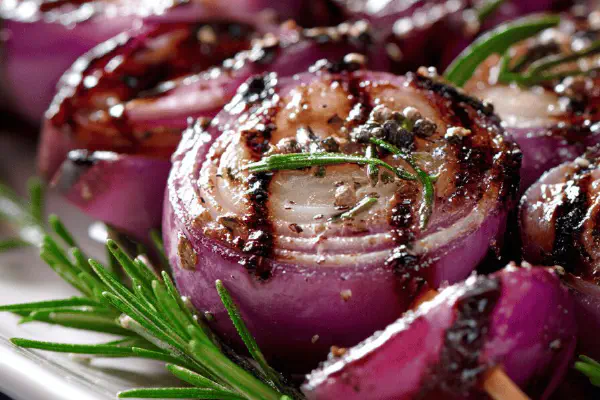
Charred Red Onion Skewers
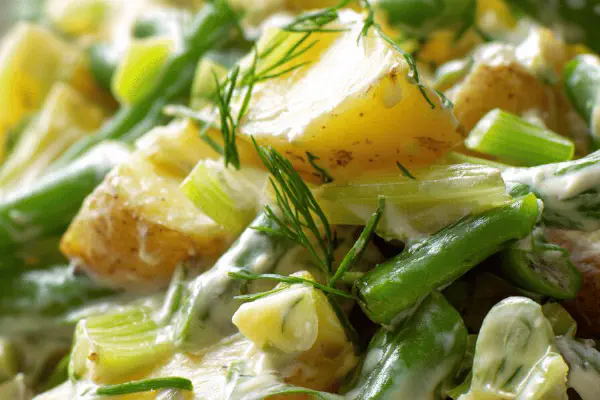
Warm Potato Yellow Bean Salad
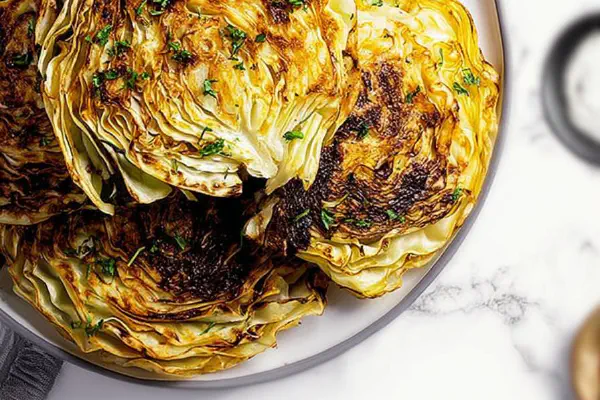
Air Fryer Spiced Cabbage Steaks
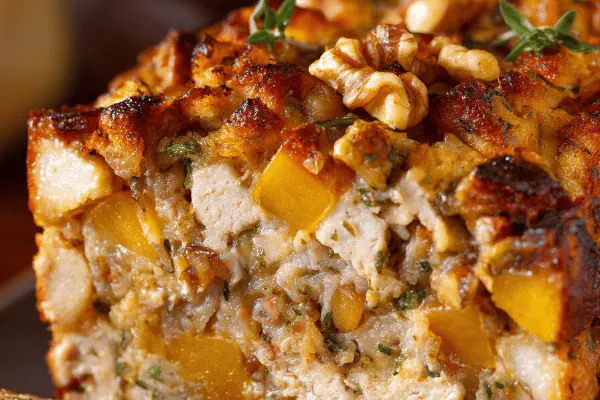
Apple & Butternut Stuffing
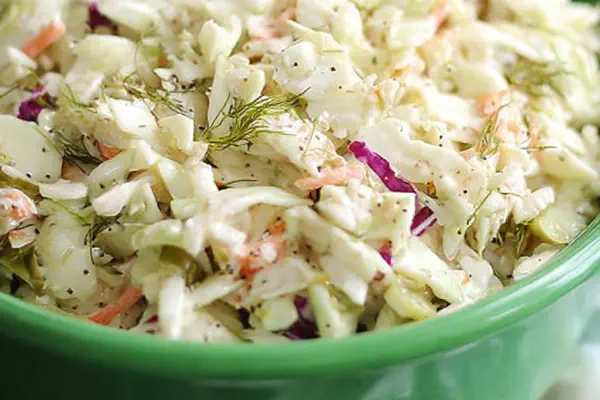
Tangy Herb Slaw
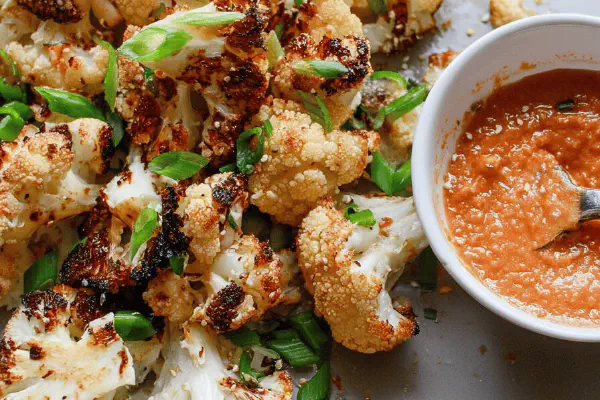
Spicy Roasted Cauliflower Twist
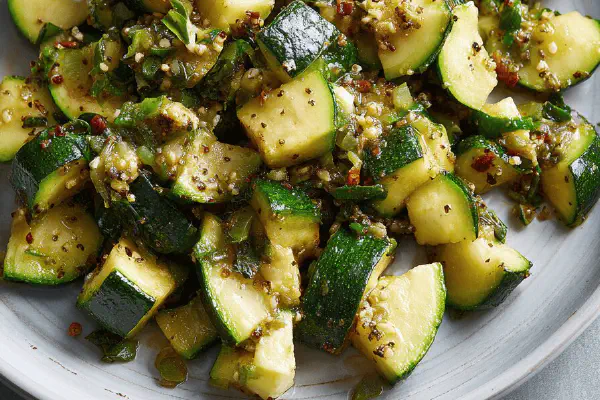
Garlic Sautéed Zucchini Medley

Broccoli Cheddar Fritters
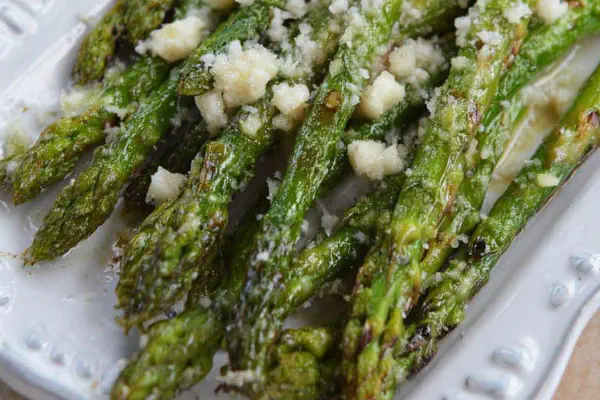
Garlic Parmesan Broiled Broccolini
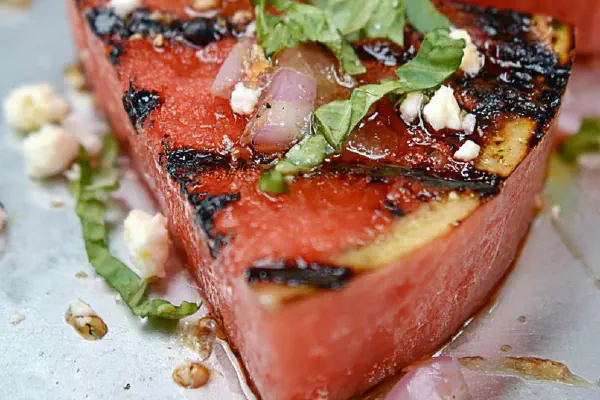
Charred Watermelon Slices

Buttered Carrots with Thyme
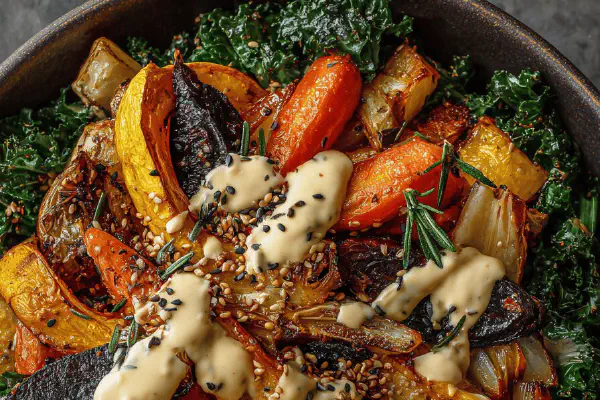
Sesame Rosemary Roasted Veggies
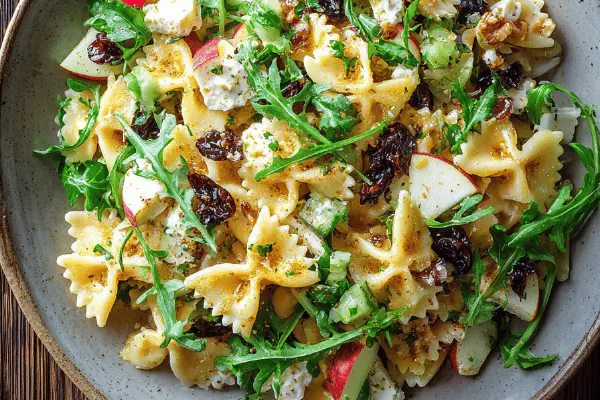
Bowtie Pasta Salad with Apples and Feta

Citrus Honey Rice
About the ingredients
Cannellini beans here for texture—firmer than navy but still creamy. Rinse to wash off canning liquid, minimizes metallic bitter aftertaste. Shallots over onion for less sharpness and natural sweetness that caramelizes in oven heat. Maple syrup replaces brown sugar to avoid that blatant sugary note. Adds depth when reduced in oven. Ketchup is base acidity and sweetness combined. Mustard sharpens and stabilizes. Apple cider vinegar balances sweetness, adds brightness. Smoked paprika brings that faint dry heat and smoky element without added liquid or oil. Bacon adds umami and texture—a good fatty crunch contrasting soft beans. Use cooked bacon fat if no whole slices available to stir in flavor. Water adds necessary moisture for steaming beans without drowning. Nonstick spray stops sticking which is common issue with oven baked beans. Without it, sugars bind to surface and cause hard crust or burn.
Method
Technique Tips
Temperature control critical. Oven calibrated or not, adjust temp 5-10 degrees to find balance between caramelization and drying out. Spray dish lightly for easy release; excess oil can fry edges too aggressively. Mix wet ingredients separately for even distribution. Beans delicate, stirring too roughly bursts skins—do gentle folds only. Place in center rack for even heat distribution. Watch bubbling—not just time. Sound of bean bubbling is steam escape from sauce thickening, indicates nearly done. Edges roasting faster means timer done, but inspect center carefully with fork. Cover halfway if surface browns too fast or beans seem drying before tender. Resting after baking sets sauce consistency and mellows acidity. If sauce too thick after resting, thin with hot water carefully. Baking uncovered creates classic crust; for softer version cover foil last 10 minutes or cook with lid stove top. Keep tactile cues top priority over clock. Any shortcuts or substitutions must maintain moisture balance—dry beans are useless. Efficient staging: prepare mix quickly while oven heats, minimizing time beans sit with acid before cooking, which can toughen beans in undercooked scenario. Serving warm helps flavors spread; cool prevents bean skins from collapsing under reheating stress.
Chef's Notes
- 💡 Oven temp crucial. 345°F, not rigid 350. Adjust for older ovens. Moisture level key. Light spray important; prevents sticking, burnout. Use ceramic for crust.
- 💡 Beans are delicate. Mix beans, shallots gently; no smashing. Wash off can liquid first. Avoid metallic taste. Combining wet ingredients helps flavors blend.
- 💡 Listen for crackling sounds. Steam escape means thickening sauce. Watch for bubbling, bubbling is progress. Edges should caramelize too. If browning happens fast, consider covering.
- 💡 If sauce too thick, add hot water 1-2 tbsp at a time. Avoid diluting richness. Sauces evolve textures. Resting is important; flavors marry, consistency sets.
- 💡 For leftovers, store airtight. They taste better next day. Reheat gently. Water may be needed, but don't overdo. Overcooking equals mushy beans, pathetic.
Kitchen Wisdom
Question about substitutions?
Cannellini or navy beans work. Maple syrup okay for honey; adjust acidity. Smoked salt for bacon; be cautious.
What if beans burn?
Reduce temp earlier next time. Check edges first. Cover if they seem too dry. Foil helps, but crust suffers.
Storage for leftovers?
Store cooled beans in airtight container. Flavors deepen thus improve next day. Reheat stove or microwave with splash of water.
Common cooking issue?
Beans mushy? Stir too roughly breaks skins. Moisture levels off? Watch liquid to cover ratio while baking or adjust time.
You’ll Love These Too
Explore all →
Golden Mango Boost
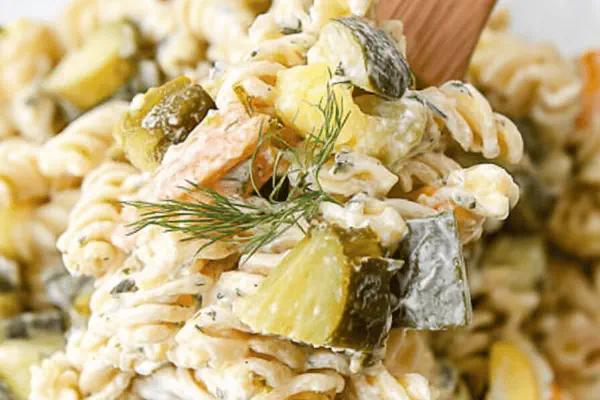
Pickle Pasta Salad Remix
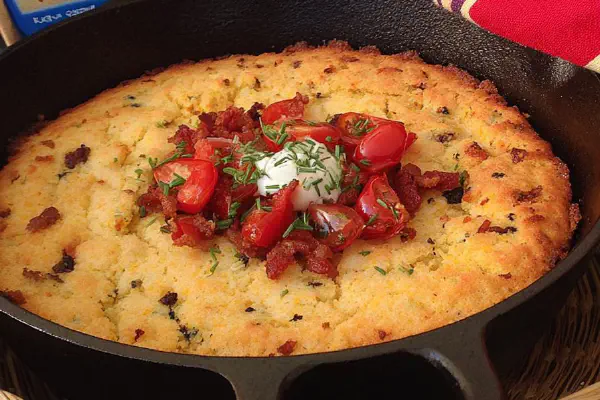
Roasted Tomato Bacon Cobbler
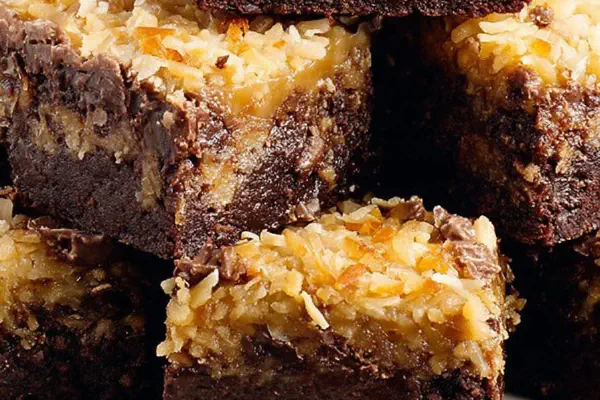
Twisted German Choco Brownies
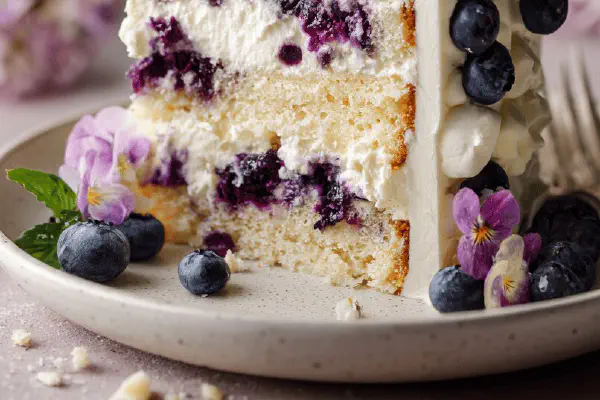
White Chocolate Blueberry Cake
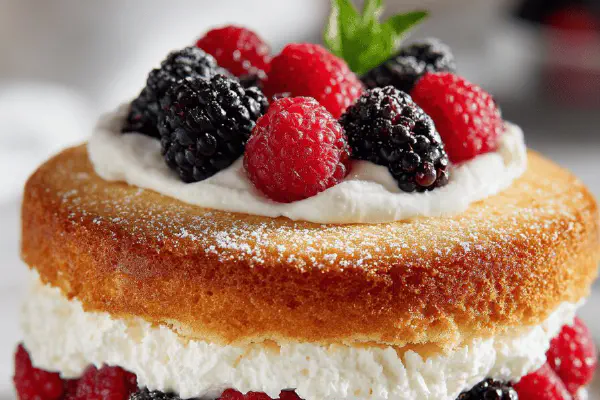
Raspberry Whoopie Pies Twist

Carrot Ginger Potage

Olive Thyme Focaccias
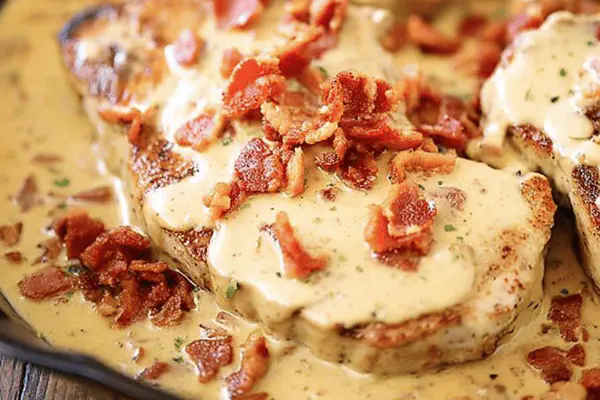
Pork Chops with Creamy Bacon Sauce
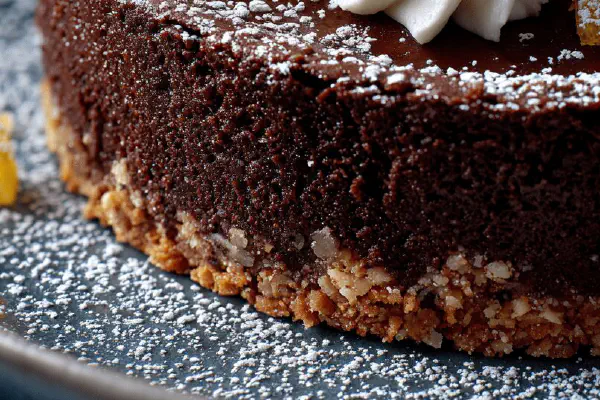
Choco-Orange Truffle Cake
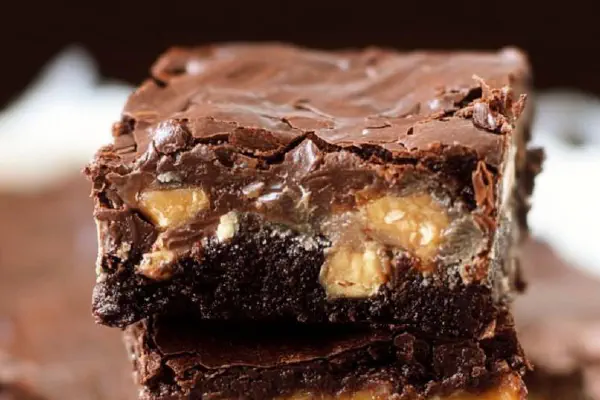
Snickers Caramel Brownies
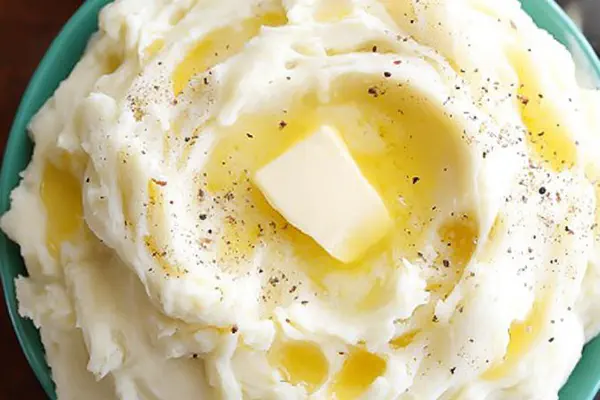
Creamy Potato Mash Twist

Chicken Bowls with Roasted Eggplant Sumac Pitas
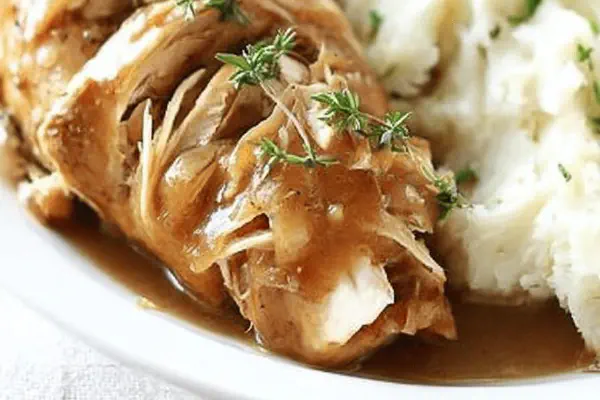
Slow Cooker Chicken Gravy Mixup

Alsatian Flambé Tart Twist
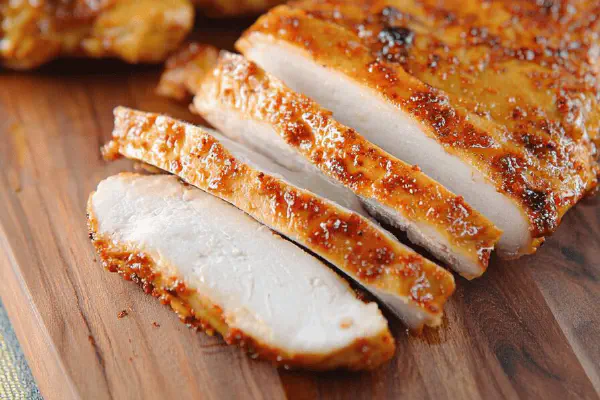
Spiced Honey Grilled Turkey
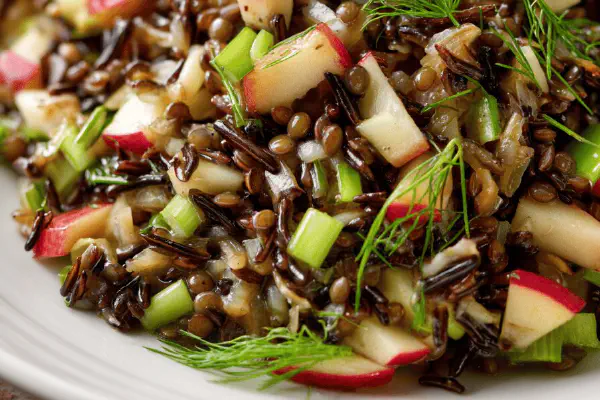
Wild Rice Apple Fennel Salad

Rustic Tropézienne Brioche
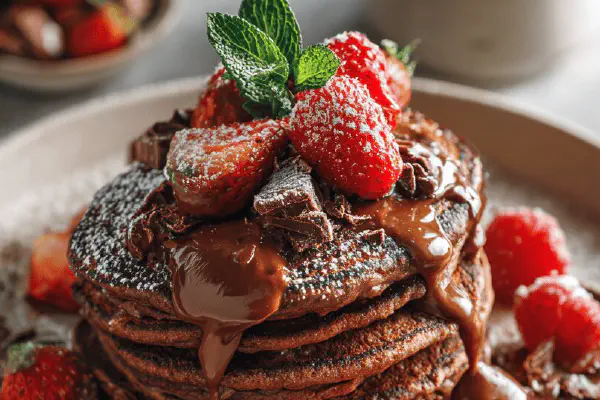
Double Chocolate Pancakes Twist
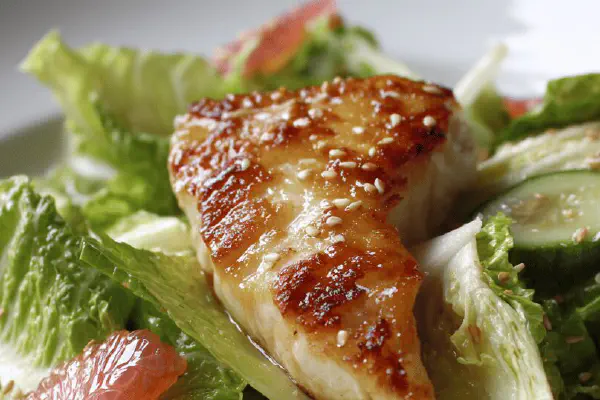
Citrus Tilapia Salad
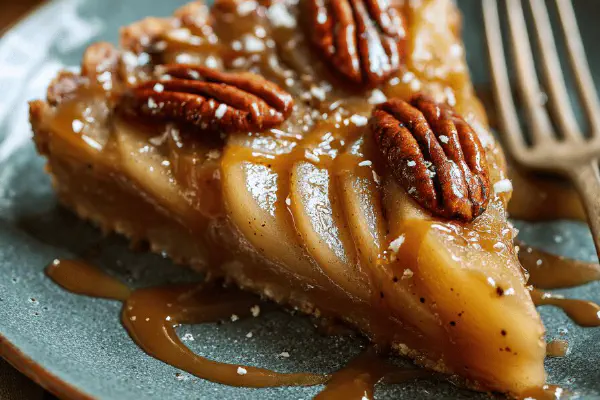
Upside-Down Apple Tart with Salted Caramel Drizzle
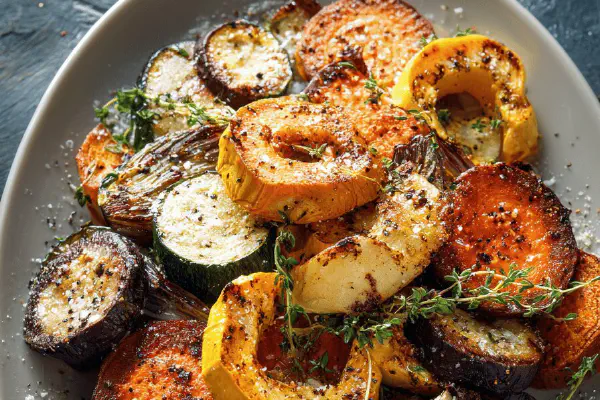
Garlic Roasted Veg Trio
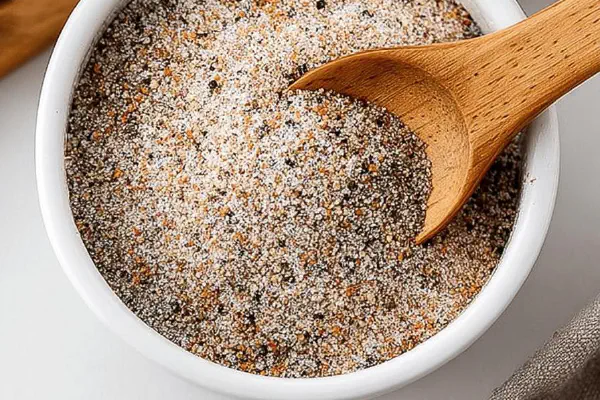
Steakhouse Bold Rub

Spicy Citrus Shrimp

Blueberry Cream Fluff
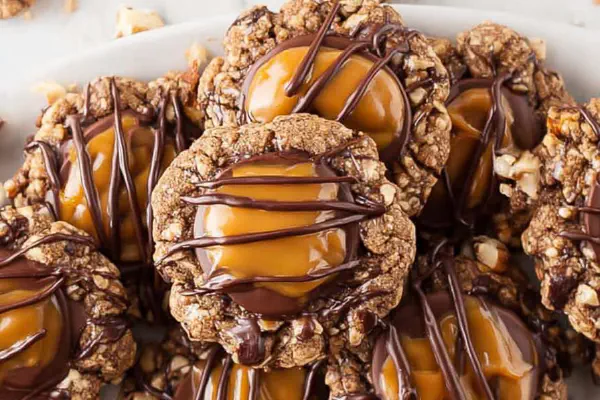
Nutty Caramel Thumbprints

Confited Peppers with Guanciale
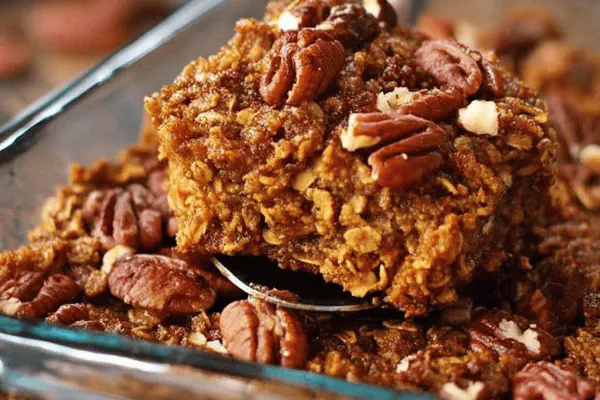
Pumpkin Pecan Oat Bake
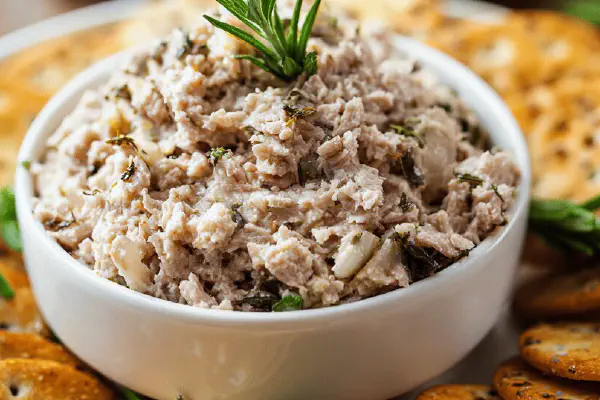
Rustic Pork Cretons