Featured Recipe
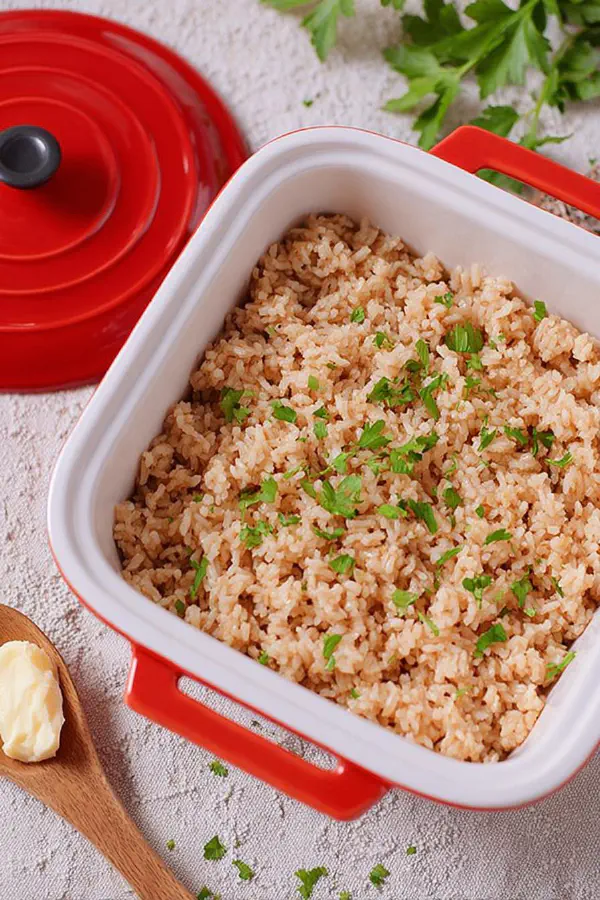
Oven Buttered Rice
By Kate
"
Long grain white rice baked with beef broth and savory packet seasoning. Butter slices floated on top melt slowly, creating a rich surface aroma. Covered then uncovered during baking to develop texture — tender grains with crisp edges. Utilizes visual and tactile cues over exact timing, perfect for noisy kitchens where timers get missed. Deep casserole recommended to avoid boil-overs and uneven cooking. Substitutes: chicken broth or vegetable broth fine, onion soup mix replaceable with garlic powder and dried herbs. Fluffing post-bake aerates grains, prevents clumping. Ideal side for robust meats or as a simple one-pot dish.
"
Prep:
10 min
Cook:
60 min
Total:
70 min
Serves:
4 servings
rice
baked dishes
simple meals
Introduction
Tough to mess up rice when baking in oven but tricky to get right texture. Stove boils away liquid fast; dry or mushy often. Baking slows cooking — gentle heat lets grains absorb broth evenly. Watch that bubbling broth edge; tells you moisture level perfect before uncovering. Butter slices floating on top melt slowly; infuse flavor deep inside instead of pooling in spots. Using deep dish guards against boil over and uneven cooking — more air space balances moisture. Onion soup mix here for bold savory flavor but can swap for dry herbs and garlic powder if pantry bare. Fluff post bake; grains separate nicely, no sticky mess. No timer reliance needed if you watch bubbling and texture cues.
Ingredients
In The Same Category · Perfect Sides
Explore all →
Bacon Mushroom Cornbread Dressing
Roasted Carrots with Dried Fruits
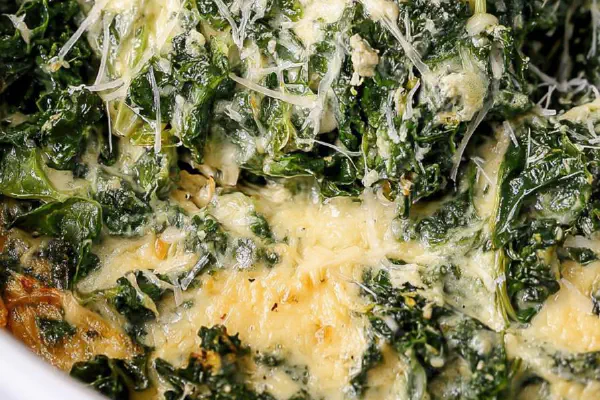
Creamy Kale Gratin Twist
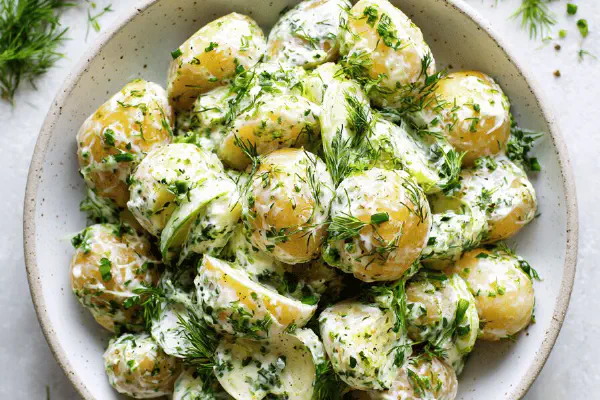
Herbed Creamy Potato Salad
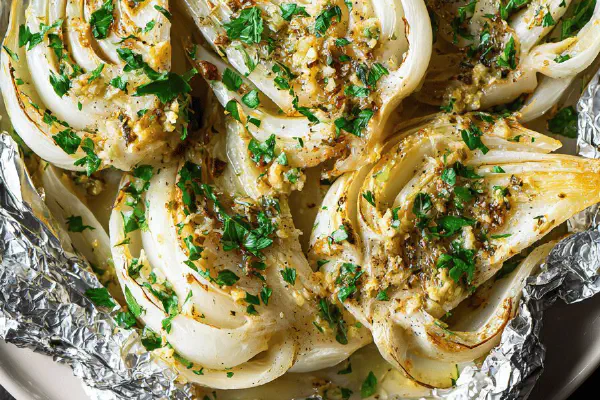
Fennel Papillote with Herb Butter
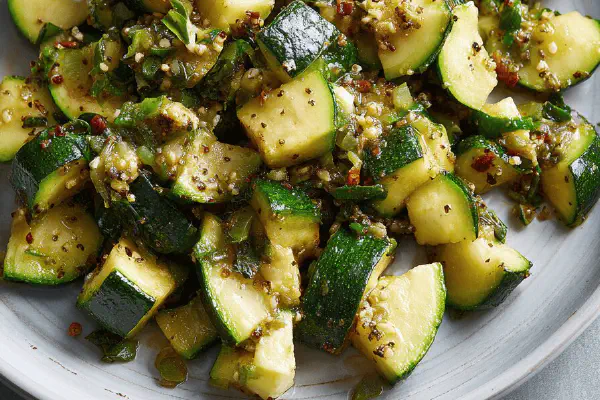
Garlic Sautéed Zucchini Medley
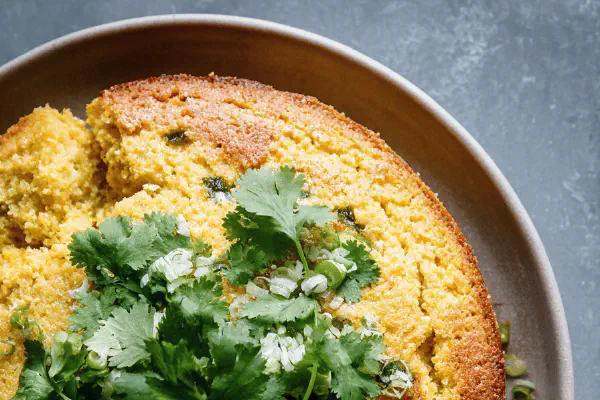
Twisted Cornbread Classic
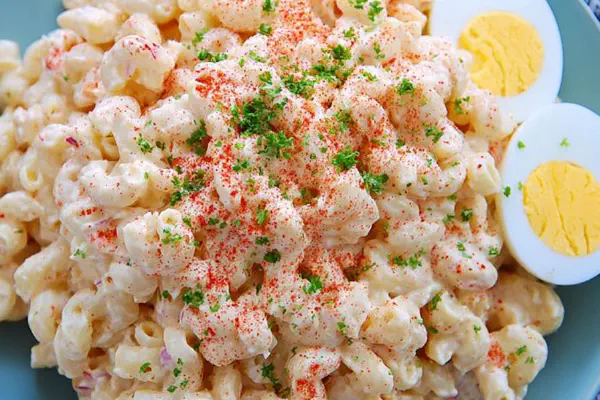
Deviled Egg Pasta Salad
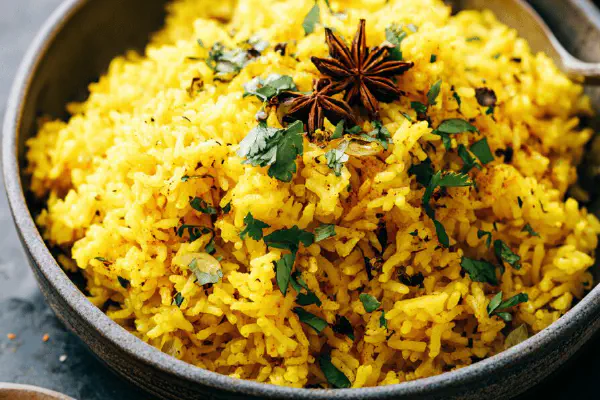
Golden Turmeric Rice
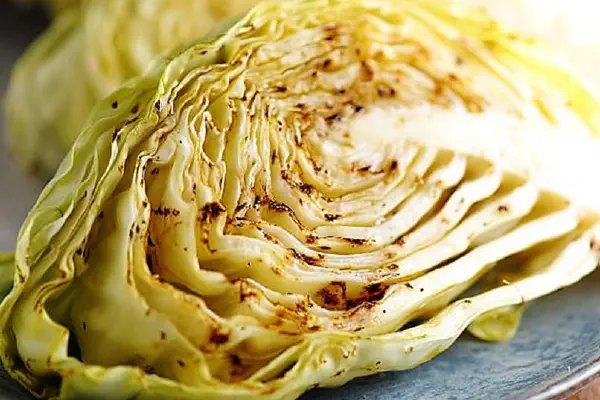
Roasted Savoy Cabbage Wedges
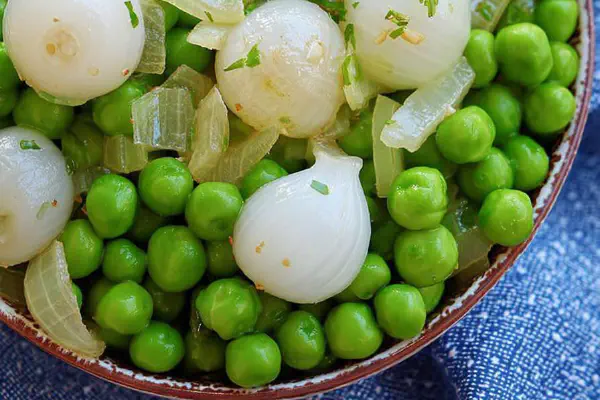
Savory Peas Pearl Onions
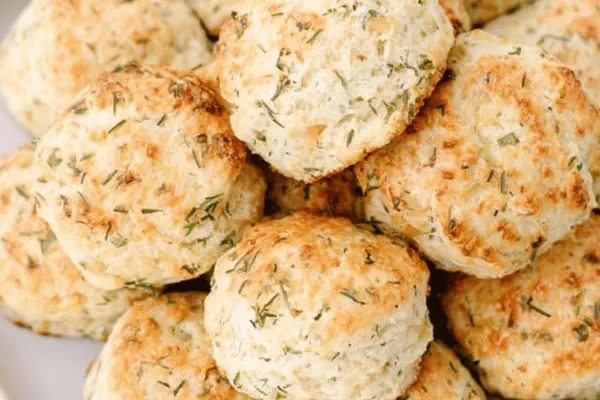
Cheese Herb Biscuits Revamped
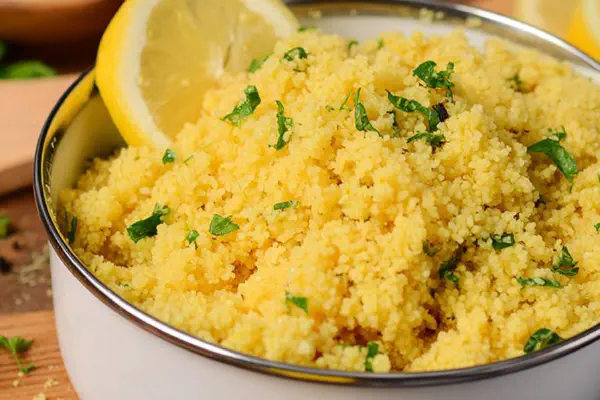
Zesty Herb Couscous
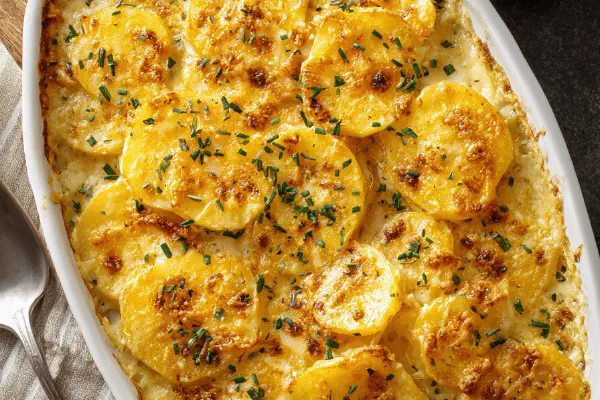
Creamy Potato Gratin
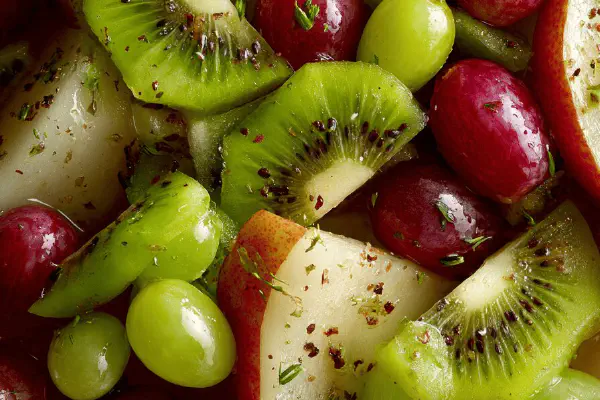
Pear Grape Salad Twist
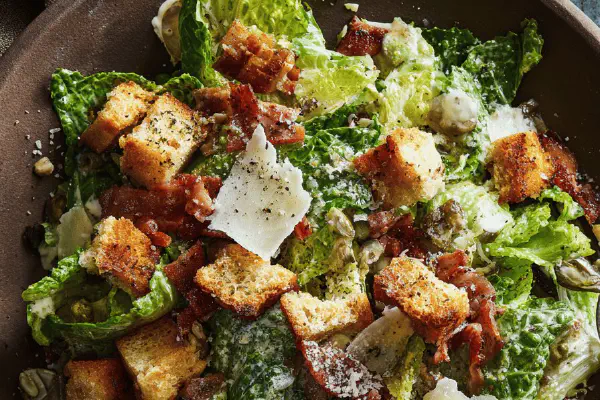
Crispy Caesar Salad
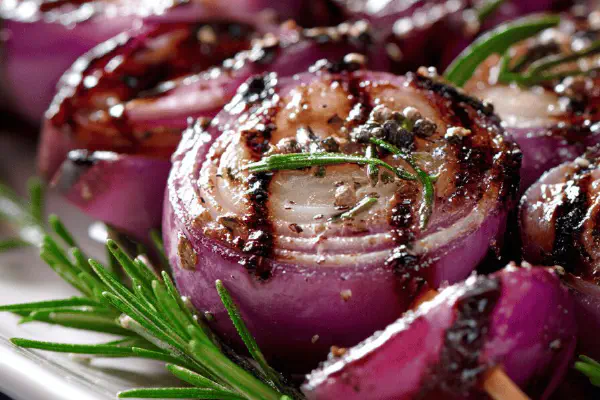
Charred Red Onion Skewers
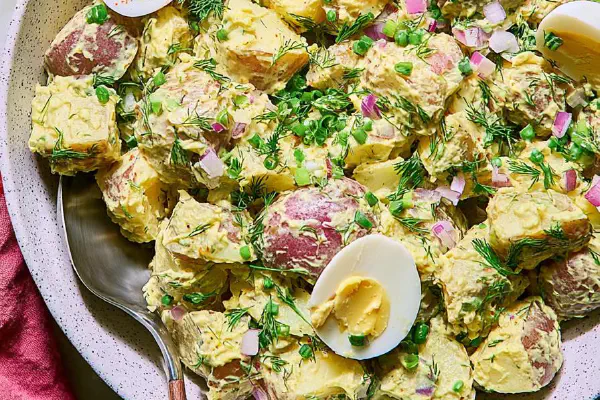
Tangy Herb Potato Salad
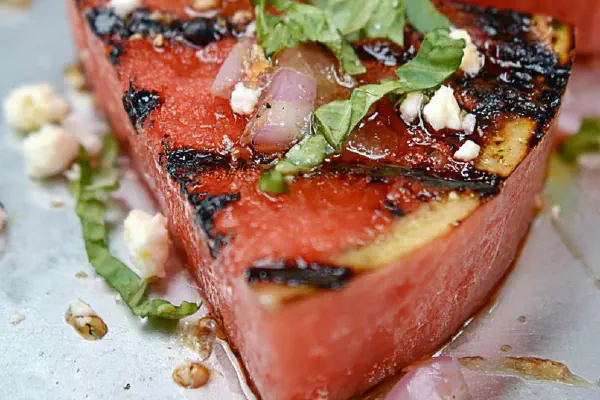
Charred Watermelon Slices
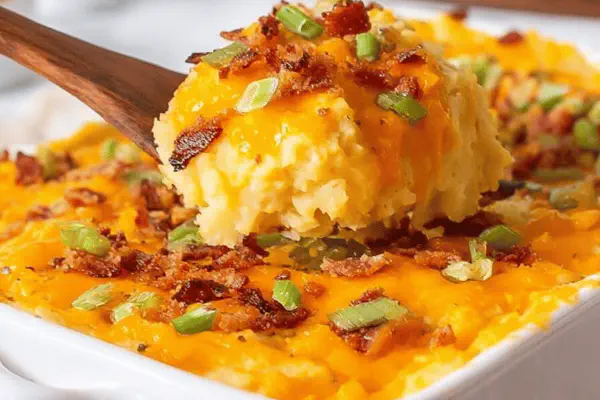
Loaded Twice-Baked Potato Bake
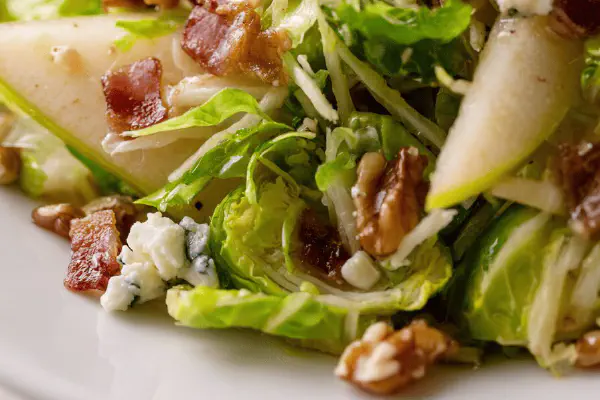
Brussels Sprout Salad with Maple Bacon Dressing
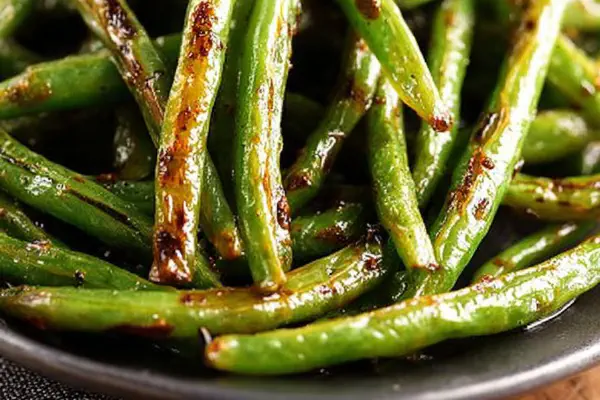
Roasted Spiced Green Beans
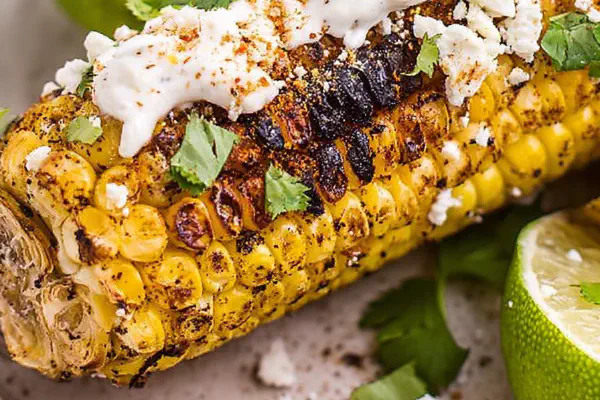
Grilled Mexican Street Corn Remix
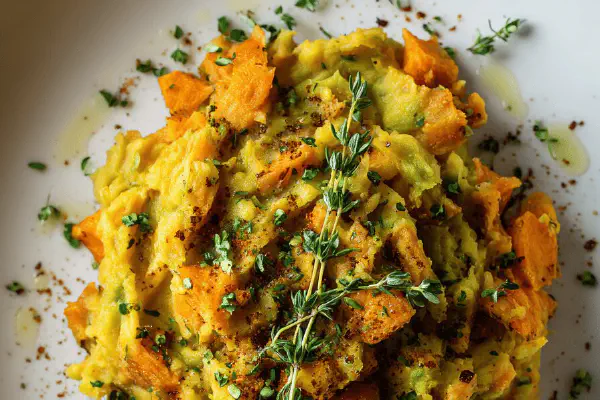
Olive Oil Potato Mash
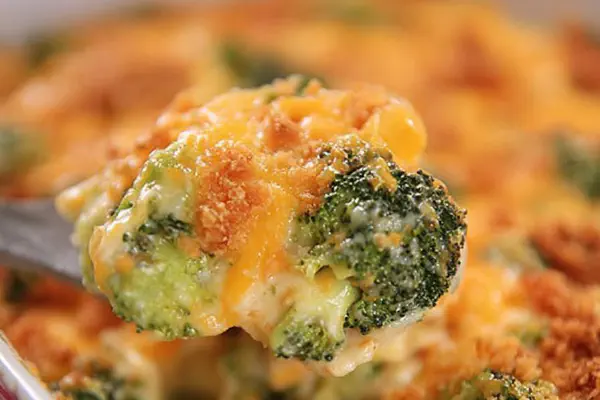
Broccoli Cheese Bake
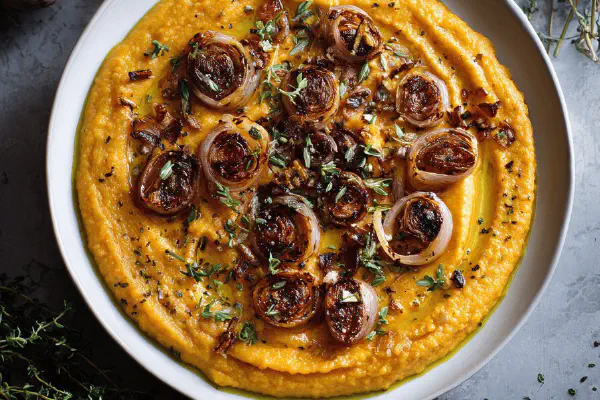
Rustic Garlic Potato Purée
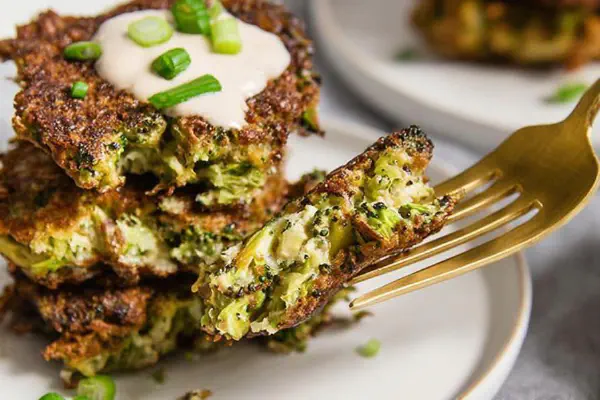
Broccoli Cheddar Fritters
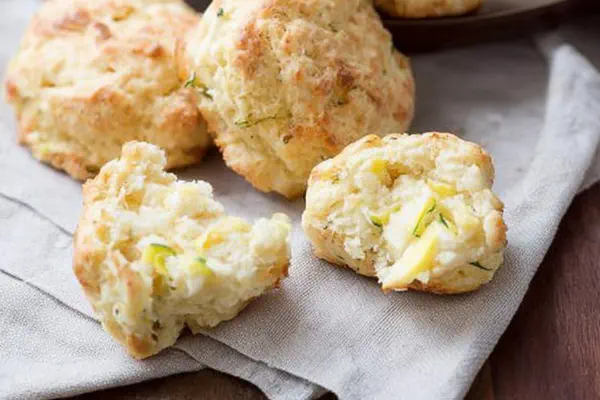
Cheesy Yellow Squash Biscuits
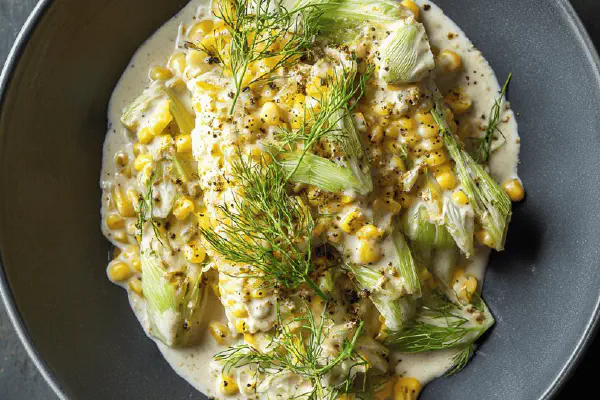
Creamy Garlic Fennel Corn
About the ingredients
Use long grain non-instant rice for best results — short grain or instant can turn gummy or won’t absorb liquid well. Substitute onion soup mix with mix of garlic powder, thyme, and onion powder if needed. Broth can vary — beef gives deeper flavor; chicken or veggie lighter but still good. Unsalted butter preferred to control salt content, but salted butter works if you reduce added sodium elsewhere. Slice butter thin to ensure it melts evenly and distributes fat without heavy pooling in one spot. Avoid oils as they won’t give same flavor or richness. Greasing the dish prevents crust from clinging too hard. Adjust broth quantity slightly if using different rice types. Always rinse rice if dusty or starchy for cleaner texture.
Method
Technique Tips
Starting at higher temp (430 vs 425) accounts for heat loss with foil on, ensures broth simmers well and steams rice thoroughly. Covering traps moisture; uncovering lets surface dry, promoting correct texture — not mushy. Look for gentle bubbling at edges and reduced steam release from beneath foil to time uncovering. Don’t stir mid-bake to avoid breaking grains and uneven cooking. Thin sliced butter melts slowly, helps flavor infiltrate rice steadily. Fluffing after cook important — breaks clumps, aerates grains, improves mouthfeel. If surface dry before time, tent foil loosely or spray with extra broth to finish gently. Leftover reheats well with added broth or butter to restore moisture. Common mistake: using too shallow a pan causes broth boil over or uneven cooking. Deep dish insures better results.
Chef's Notes
- 💡 Rinse rice before use. Removes starch. Cleaner texture. No clumps. Avoid sticky results. Essential for fluffiness.
- 💡 Monitor broth bubbling. Gentle simmer, edges bubbling = good sign. Steam escaping means moisture is just right, time to uncover.
- 💡 Don’t stir mid-bake. Breaks grains. Causes uneven texture. Trust steam to do the work. Maintains structure, no mush.
- 💡 Use deep dish to prevent boil-overs. Flat pans risk uneven cooking, broth escapes. Deep walls help control steam and moisture.
- 💡 Leftovers? Don’t toss. Reheat with broth or butter. Regain moisture. Prevent dryness and clumping. Simple fix for tastier meal.
Kitchen Wisdom
Why is my rice mushy?
Overcooking likely. Control heat, check bubbling. Steam too much before uncovering. No stir equals good texture.
Can I use brown rice?
Yes, increase broth by 1/4 cup. Cook longer, about 10 more minutes usually. Adjust until right tender.
What if I run out of beef broth?
Chicken broth works fine. Vegetable broth also suitable. Flavor shifts—monitor seasoning.
How should I store leftovers?
Refrigerate in airtight container. Reheat gently. Microwave or stovetop. Don’t forget broth splash to help.
You’ll Love These Too
Explore all →
Spiced Honey Grilled Turkey
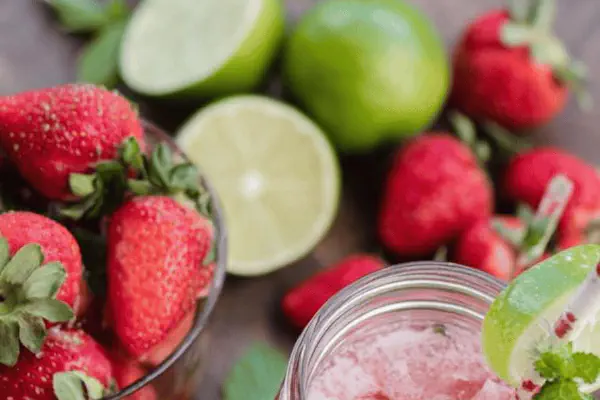
Berry Basil Kombucha Fizz

Crunchy Cereal Chocolate Bites
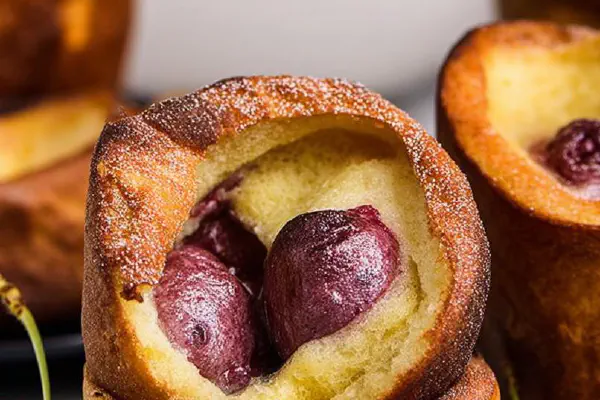
Cherry Almond Popovers
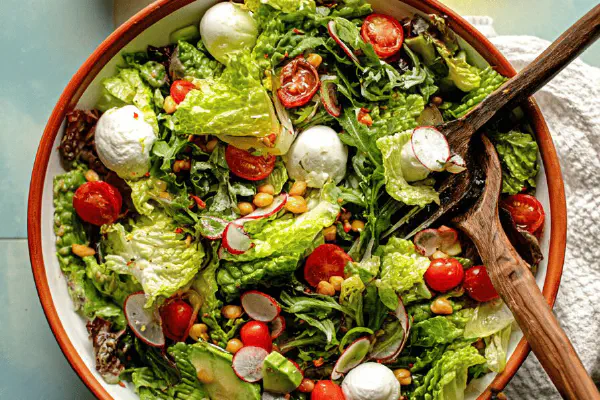
Everyday Tossed Salad
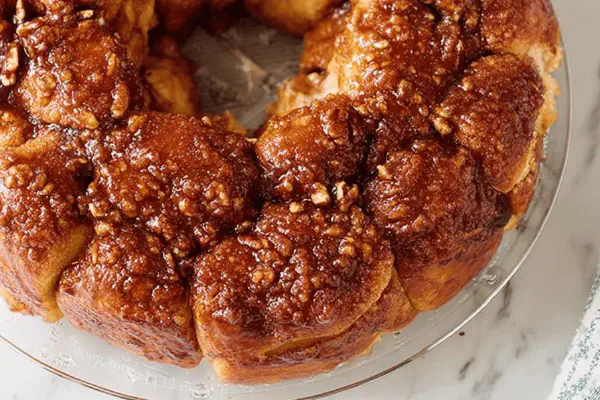
Stuffed Cinnamon Monkey Bread
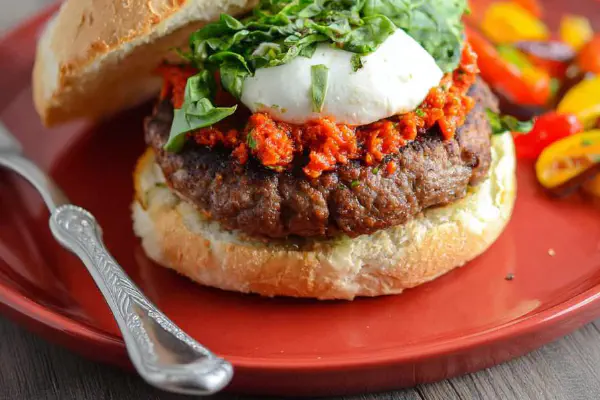
Sun-dried Caprese Burger
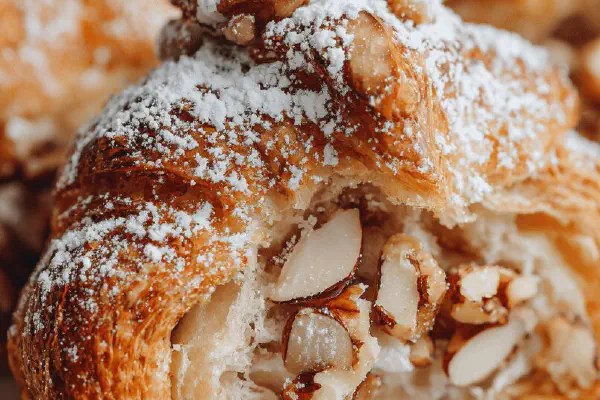
Almond Croissants Twist
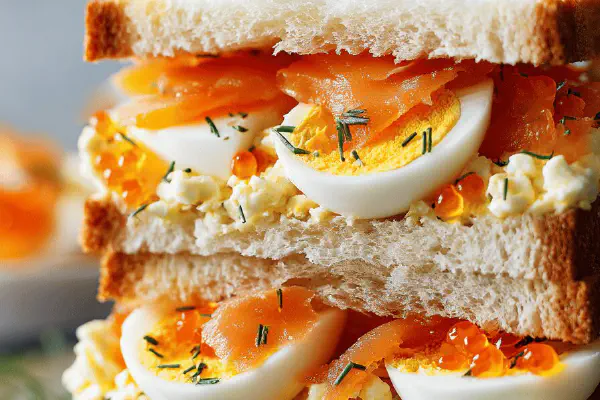
Egg Salmon Fish Roe Sandwiches
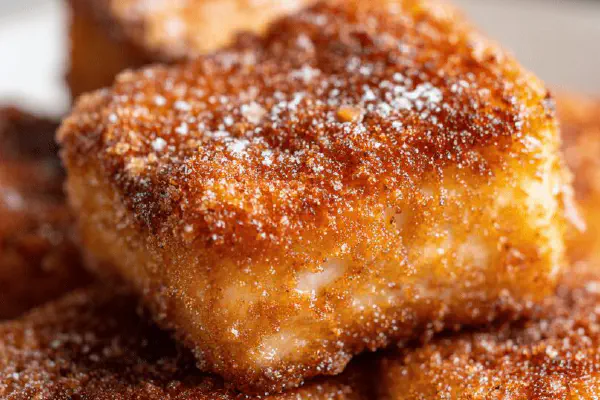
Fried Custard Squares
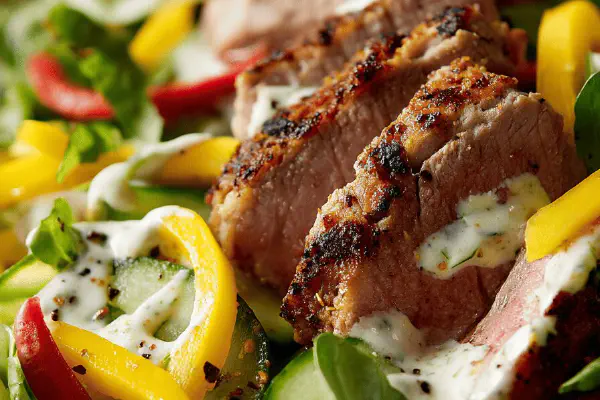
Pork Mango Pepper Salad
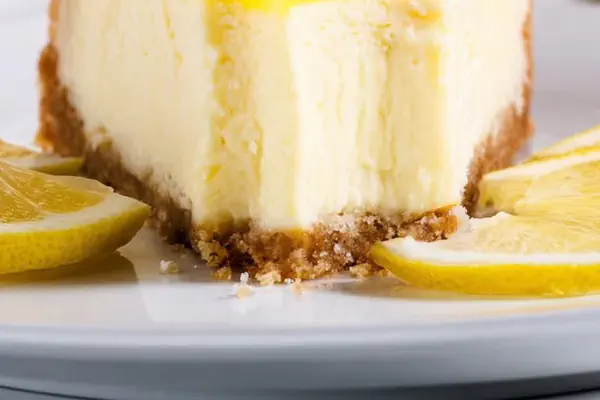
Tangy Lemon Cheesecake
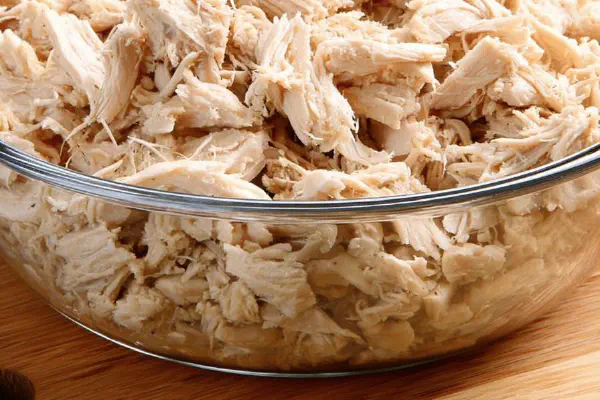
Slow Cooker Instant Oven Shredded Chicken
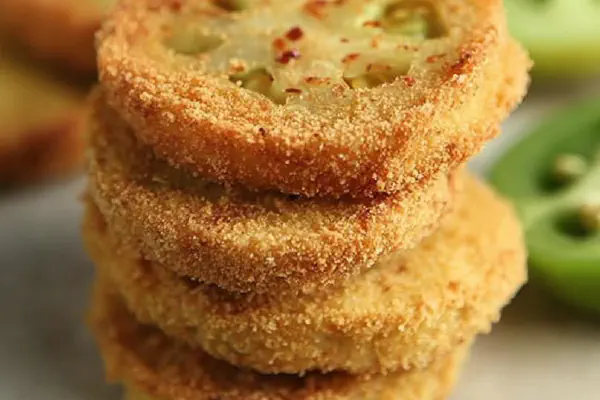
Beer-Battered Fried Green Tomatoes
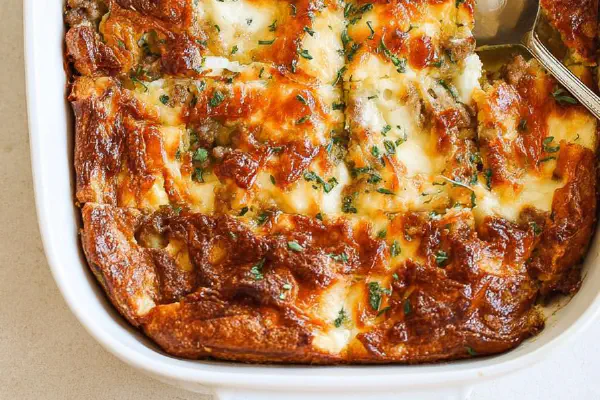
Sausage Croissant Bake
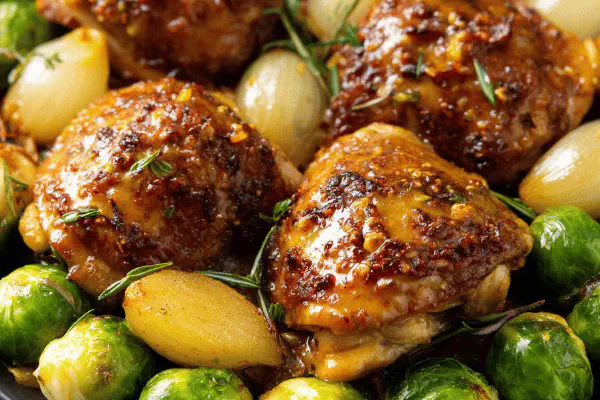
Honey Mustard Chicken Thighs
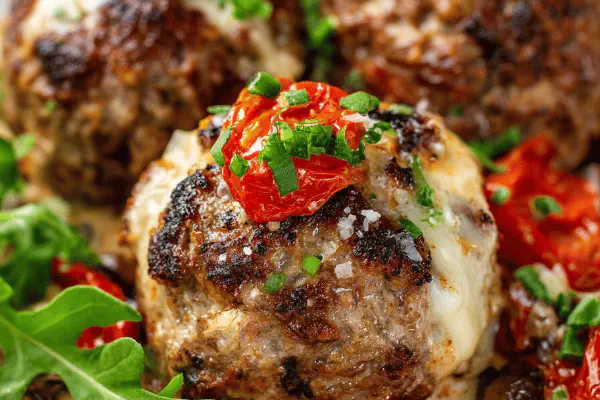
Stuffed Veal Balls with Gruyere

Iced Mocha Twist
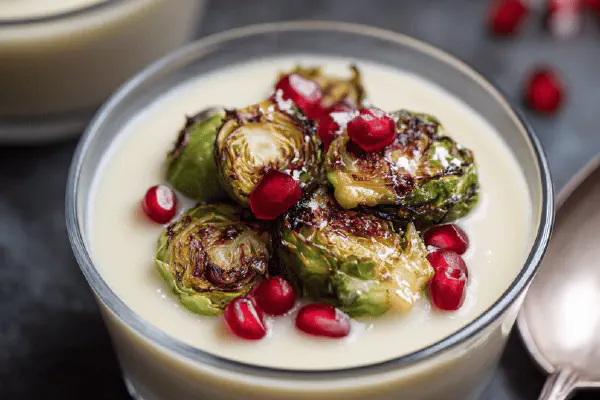
Cauliflower Cream Verrines
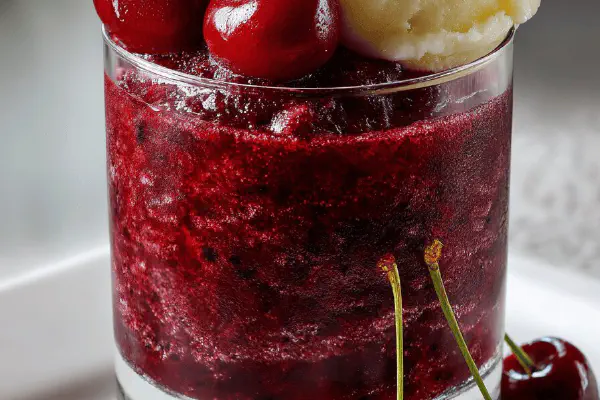
Cherry Citrus Slush
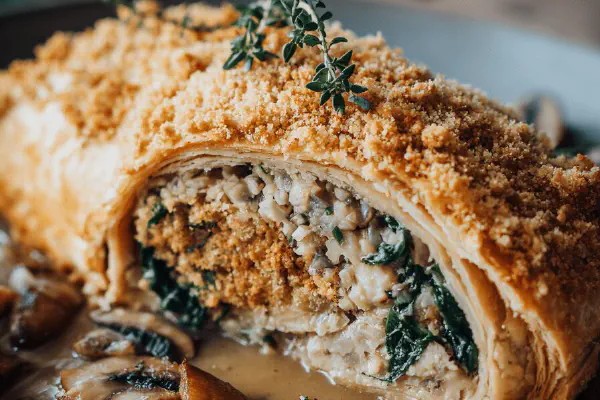
Mushroom Buckwheat Wellington
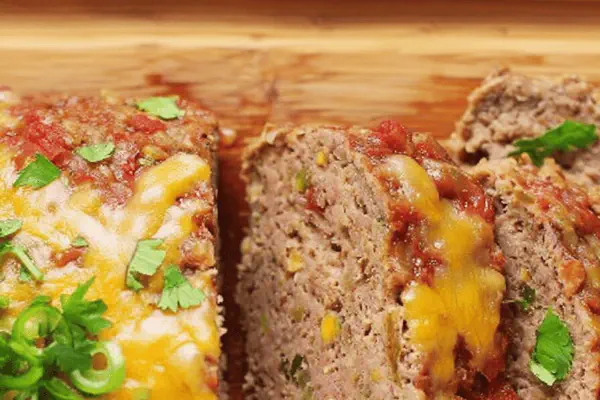
Tex-Mex Meatloaf Twist
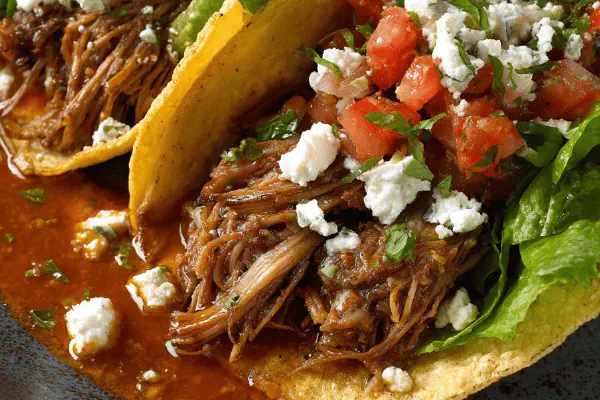
Braised Pork Tacos Twist
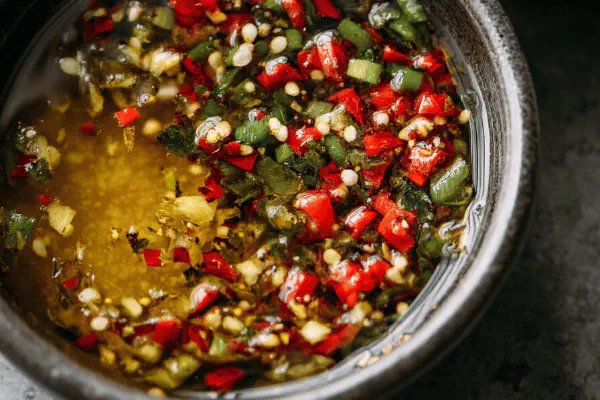
Vietnamese Fondue Sauces Remix

Pimiento Cheese Hush Puppies Remix

Spiced Hot Cranberry Punch
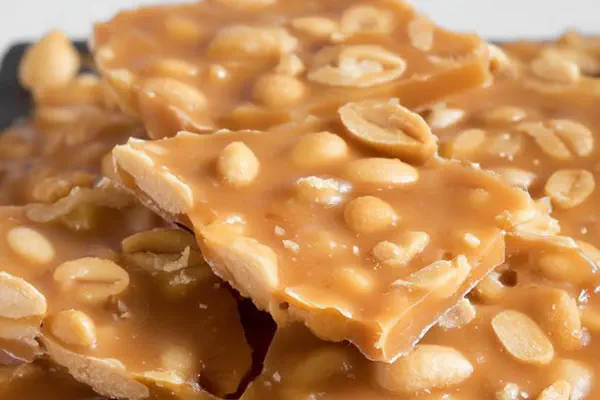
Nutty Caramel Brittle
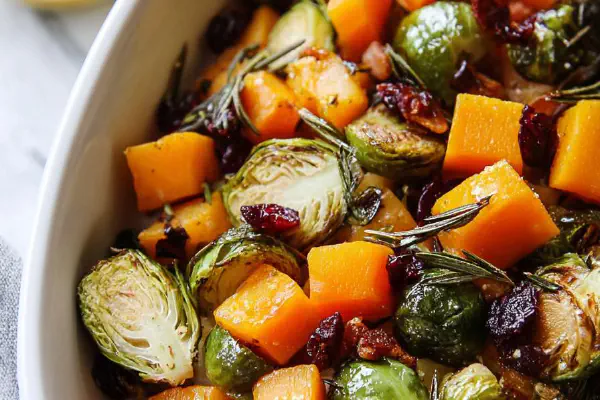
Roasted Brussels Butternut Medley

Spicy Fish Tacos Twist