Featured Recipe
Oven Roasted Garlic Twist
By Kate
"
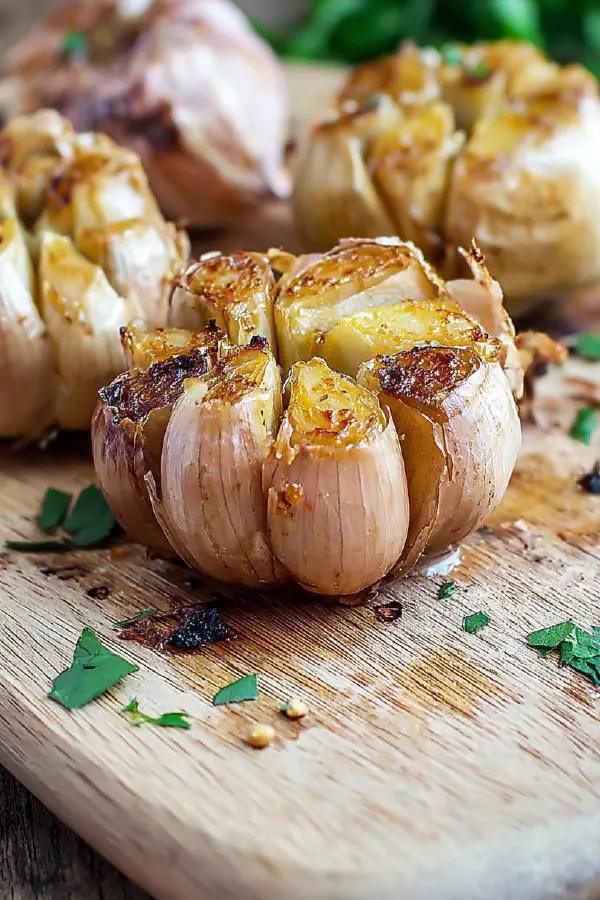
Heads of garlic roasted whole. Cut tops off exposing cloves. Drizzle with infused oil, wrap tightly in foil. Roast at mid heat until cloves turn soft and caramelized. Smell sweet nuttiness filling kitchen. A mix of butter and avocado oil swaps traditional olive oil. Roasting takes between 20-30 mins depending on head size and oven quirks. Test softness with gentle squeeze; cloves should yield with slight resistance, not mushy. Use in dressings, sauces, or straight on toast. Adds mellow garlic depth without raw bite or bitterness.
"
Prep:
5 min
Cook:
30 min
Total:
35 min
Serves:
1 head
garlic
roasting
sauces
spread
Introduction
Garlic changes in the oven. Raw bite softens, bitterness fades, replaced by sweet mellow depth. Not just green herbs and spice—aromatics take on a nutty warmth in dry heat. That head of garlic? Slice off top, add fats, seal tight, and let transform. Butter and avocado oil together? Mix richness with heat stability; better than olive oil alone, especially when flames can flare or ovens run hot. Watch the clock but watch more closely the touch. Roasted garlic cloves should be tender, easily mashed, not mush or burn. Used as base for sauces, mixed in mashed potatoes, or slathered on warm bread, they boost whole dishes without shouting. Smoke point issues? Avocado oil holds up better. Butter adds gloss, buttery mouthfeel. Too dry? Try a quick mist of water inside before sealing foil to prevent scorched cloves. Learned from thousands of cooking fires in restaurant kitchens—foil leaks? Fold tight with double layers of foil to trap steam and flavors. The kitchen smells change as garlic roasts—sulfur softens, sugars caramelize, inviting. Those sounds—quiet sizzling under foil, smell that wraps around your hand when you crack open the bundle—signals done, not just the timer. Work smart—prep garlic while oven heats so little waits. Use tongs to avoid hot steam burns. All clove sizes roast evenly when you cut the same amount off each head; small heads cook faster. Leftover roasted garlic holds well, makes a week of weeknight dinners better, even cold in sandwiches or stirred in stews for subtle garlic presence. Forget raw garlic breath and sharp acidity for now. This is about soft, spreadable, sweet roasted goodness.
Ingredients
In The Same Category · Flavor Boosters
Explore all →
Cola BBQ Sauce Remix
Orange Chili BBQ Marinade
Red Wine Mushroom Sauce
Smoky Kentucky BBQ Sauce
Vegetable Demi-Glace Twist
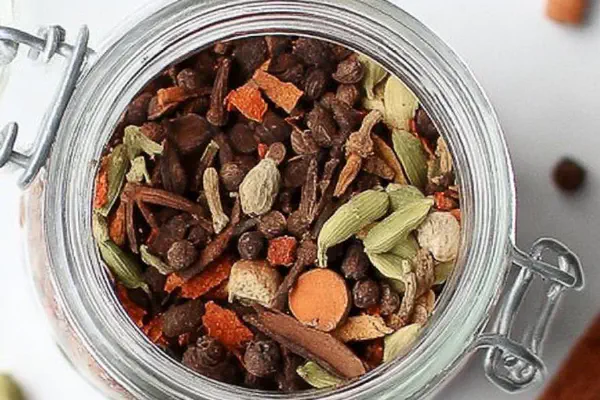
Smoky Pickling Spice Mix
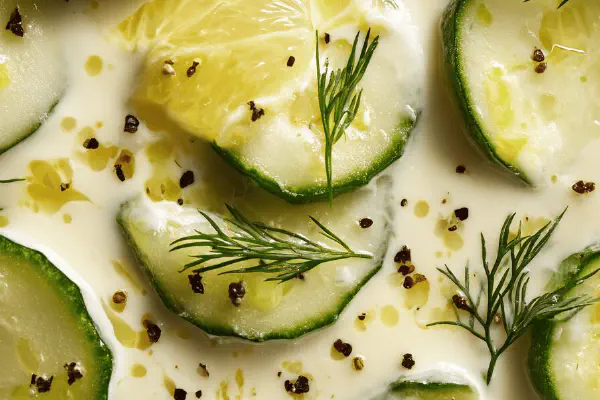
Orange-Dill Maltese Sauce
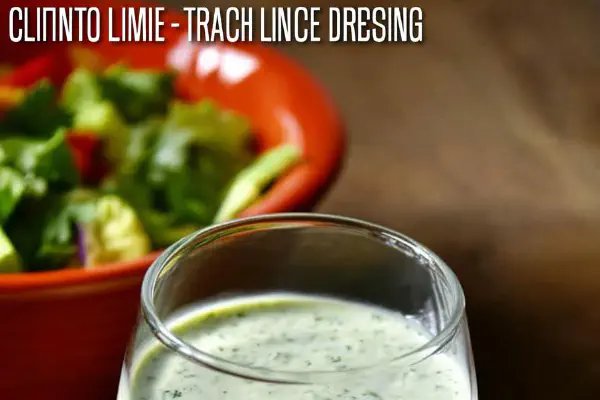
Cilantro Lime Ranch Remix
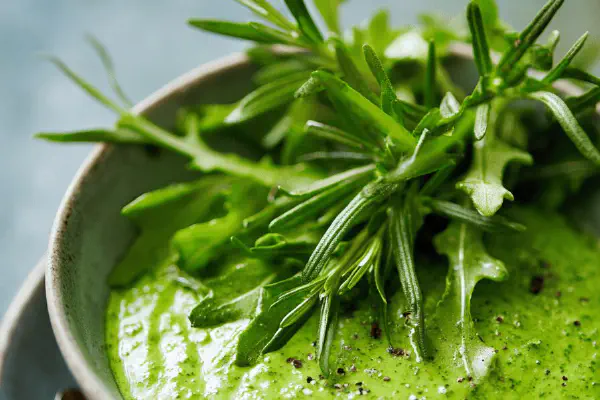
Quick Herb Emulsion
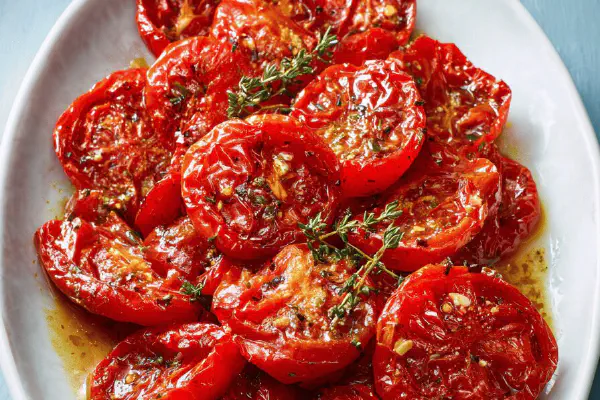
Slow-Roasted Confited Tomatoes
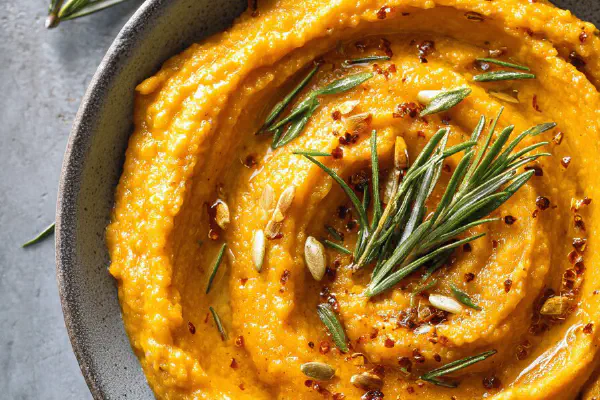
Roasted Pumpkin Purée
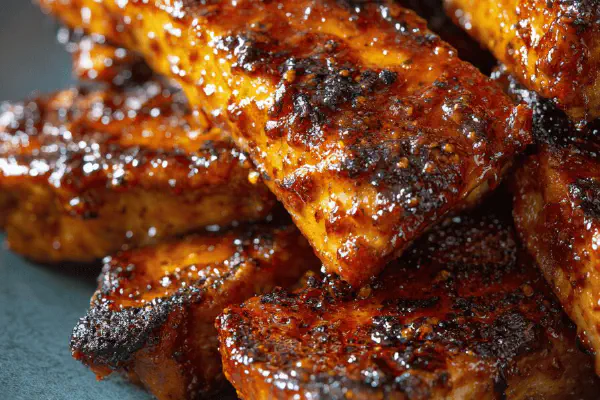
Honey Bourbon Glaze
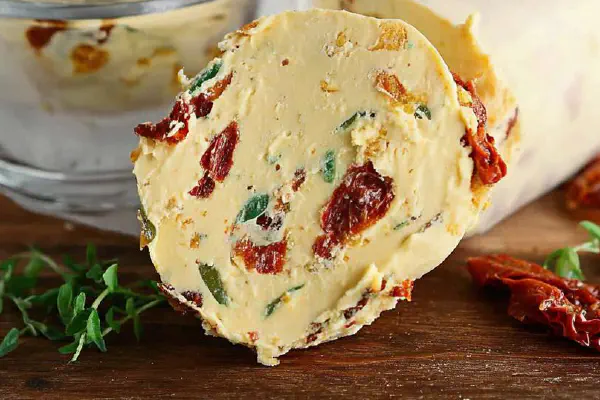
Roasted Garlic Sun-Dried Tomato Butter

Citrus Syrup Remix

Vanilla Vodka Extract
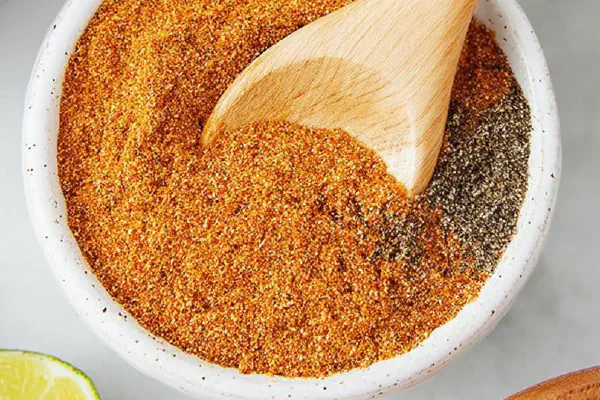
Smoky Chipotle Taco Rub
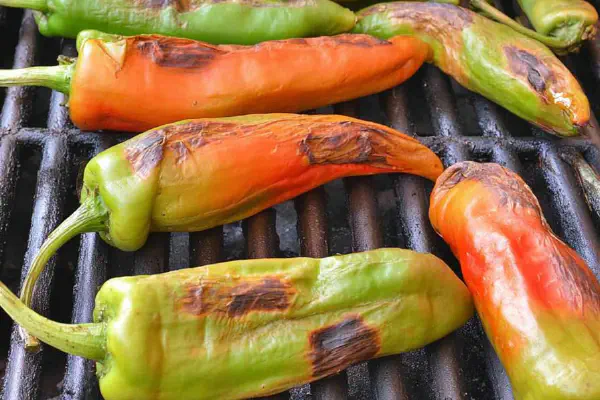
Roasted Hatch Chile Twist
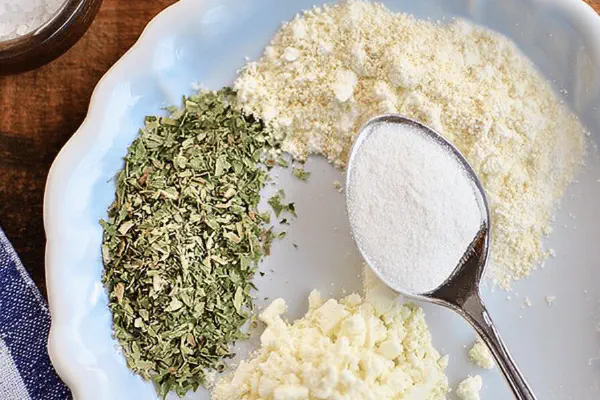
Homemade Ranch Mix Twist
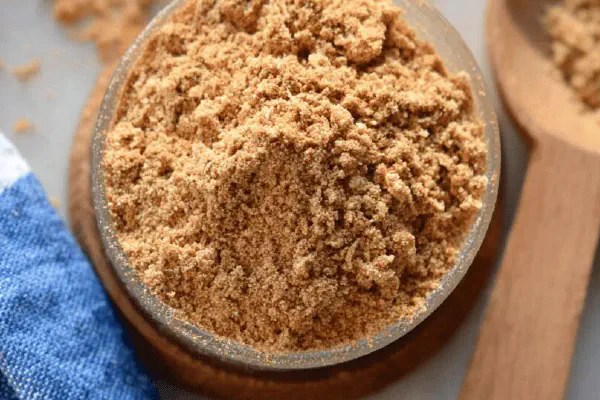
Smoky Citrus Fajita Rub
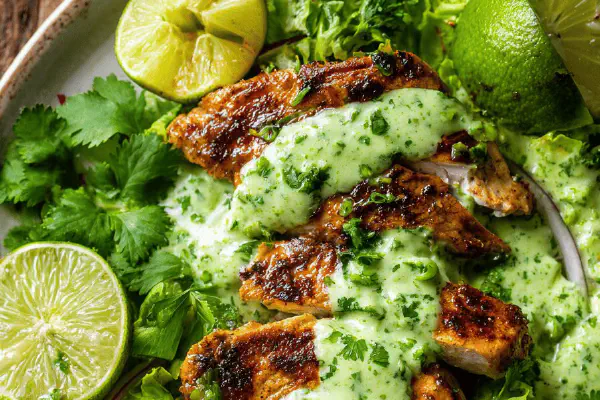
Cilantro-Lime Vierge Sauce
Cornstarch Slurry Twist
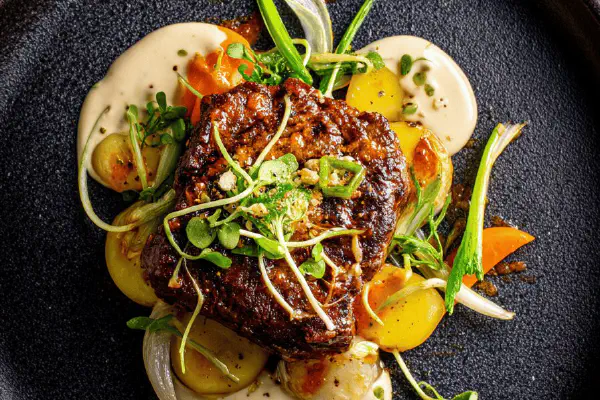
Maple Beer Aioli
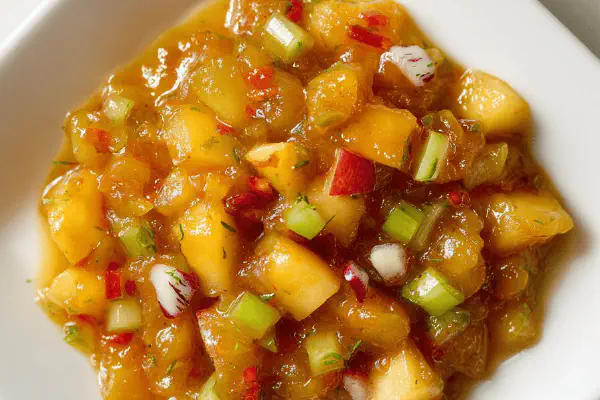
Fruity Sea Buckthorn Chutney
Pumpkin Spice Caramel Syrup
Montreal Style Steak Spice Mix
Coriander-Ginger Chutney
Custom Poultry Blend
Twisted Peppers Mix
Tangy Poppy Seed Drizzle
About the ingredients
Whole garlic heads roast uniformly when exposed cloves are evenly trimmed. Avoid trimmed cloves too long beforehand or they dry. Butter adds gloss and richer mouthfeel but lowers smoke point; pairing with avocado oil handles higher heat safely without burning while lending subtle nuttiness. Substitutions like grapeseed oil work if avocado oil unavailable. Sea salt flakes season gently without overpowering. Cracked black pepper adds earthy spice notes; adjust amount by taste. Garlic heads vary—small heads roast faster needing less time, large heads take longer. Keep foil not just for wrapping but to trap steam for tender cloves and prevent burning. Mist small amount of water inside foil if your oven runs hot or dry. Avoid plastic wrap near heat. Double foil layers solve accidental leaks and prevent caramelized sugars from burning onto baking sheet.
Method
Preparing the Garlic
- Slice off about ¼ inch from the top of the garlic head. Aim to expose the tips of the cloves but not too much to dry out during roasting.
- Place the garlic head upright on a large sheet of heavy-duty aluminum foil.
- Combine the melted butter with avocado oil; drizzle thoroughly over the exposed cloves. Butter brings richness and makes cloves golden; avocado oil adds high smoke point and mild flavor. Can swap oils depending on what’s available.
- Sprinkle flaky sea salt and cracked black pepper over the top to season and draw out moisture.
- Wrap the garlic tightly but leave room for steam to circulate inside. Seal foil, folding edges down securely.
- Set oven to 375°F for moderate heat - slightly higher than usual 350°F to pull out more caramelization but avoid burning.
- Place wrapped garlic on middle rack. Listen for faint sizzling—steam developing inside foil.
- Bake for 25 to 30 minutes. Exact time depends on head size and oven hotspots.
- Use touch test: squeeze gently once cooled slightly. Should feel soft, cloves tender but keep shape. If hard, give 5 more minutes.
- Remove from oven. Let cool wrapped at room temp for 10 minutes so steam finishes cooking internally.
- Squeeze cloves out by pressing base of head downwards into bowl or onto bread.
- Looks jammy, sweet with nutty aroma.
- Mix into sauces, mash into potatoes, or blend for dips.
- Store unused cloves in airtight container up to 3 days refrigerated.
Seasoning and Wrapping
Roasting and Timing
Using Roasted Garlic
Technique Tips
Trimming the garlic top exposes cloves for oil absorption and caramelization—don’t overcut or you risk drying out. Oil coats cloves preventing burning while adding richness, butter melts into creamy texture and avocado oil stabilizes heat exposure avoiding acrid flavors. Wrapping tightly retains steam, softening cloves evenly; loose foil leads to dryness and uneven roast. Mid-heat (375°F) speeds up caramelization; ovens vary—tactile tests trump timer alone. Cloves should yield to gentle squeeze but remain intact—mushy cloves mean over roasty, tough means underdone. Cool before squeezing to avoid burning fingers and finish internal cooking with residual steam. Use kitchen towel or silicone mitts handling hot foil; steam escapes fast once unwrapped. Squeeze cloves directly into recipes from their head—less mess, more flavorful. Store leftovers refrigerated in airtight containers; flavor deepens slightly over days but can dry out. Roasted garlic enhances without dominating—start small when adding to recipes. Smell the oven and listen for quiet hiss of steaming garlic; those senses tell you more than clock alone. Efficient prep: trim heads while oven preheats, combine oils separately, drip precisely with a spoon or drizzle bottle to avoid waste and mess.
Chef's Notes
- 💡 Check garlic heads for freshness; firm, plump ones work best. Trim tops carefully, don’t overdo it. Leave enough to prevent dryness.
- 💡 Steam is key—none leaking! Double wrap the foil if unsure. Can add a small mist of water before sealing for moisture retention.
- 💡 Adjust roasting time based on head size. Smaller heads = less time. Softness test: should yield to squeeze but not mushy. Watch closely.
- 💡 If garlic seems bitter, check oil types. Avocado oil handles heat. Butter gives flavor; consider higher smoke-point alternatives if needed.
- 💡 Leftovers last three days in the fridge. Use airtight containers. Cold, roasted garlic is great in sandwiches. Also good blended into soups.
Kitchen Wisdom
Can I use different oils?
Yes! Use grapeseed if needed. Works well; just check smoke points. Each oil adds different touches.
How do I store roasted garlic?
Up to three days in the fridge. Airtight only. Cold in dips adds sweet notes. Use fast.
What if garlic isn't soft after 30 mins?
Just give it more time. Check every five minutes. Don’t rush; tenderness matters.
I have dry garlic. Can I still roast?
You can try. Keep an eye; dry ones might need moisture added. Use extra oil too.
You’ll Love These Too
Explore all →
Pan-Seared Mackerel with Celery Root Mash
Spinach Ricotta Shells
Coca-Cola BBQ Chicken
Beef Enchiladas Remix
Smoky Maple Bacon Beans
Spicy Oven-Baked Chicken
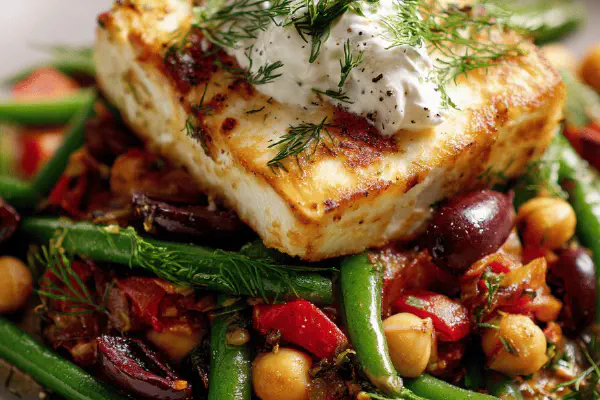
Silky Tofu Tomato Vegetables
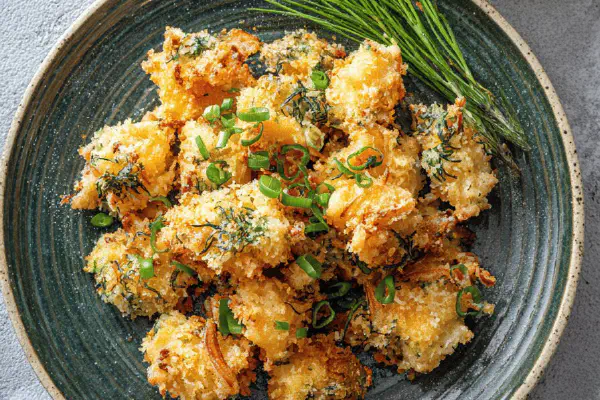
Spicy Crab Fritters

Almond Slice and Bake Cookies

Chunky Chocolate Chip Biscuits
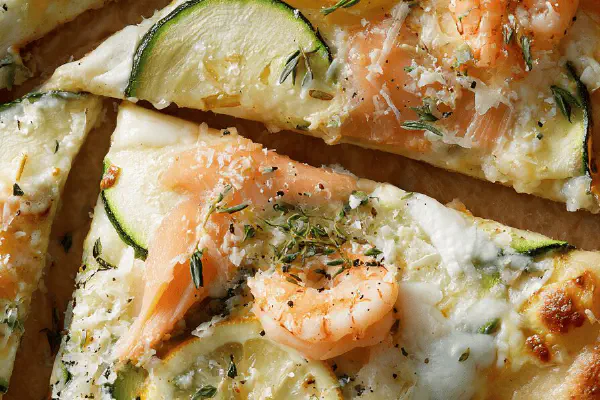
White pizza zucchini trout shrimp
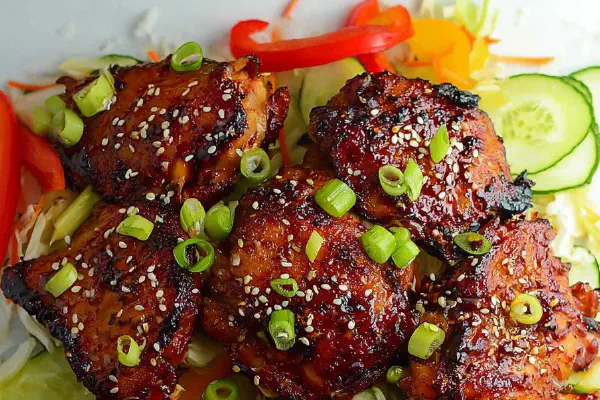
Spicy Korean Grilled Chicken

Bacon-Wrapped Herb Stuffing Cups

Twisted Bananas Foster Shake
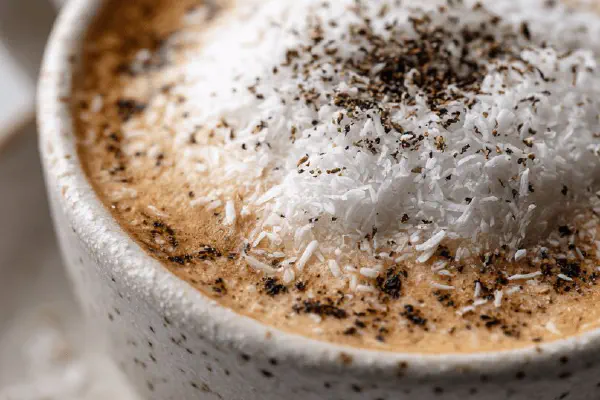
Coconut Nutmeg Latte Twist
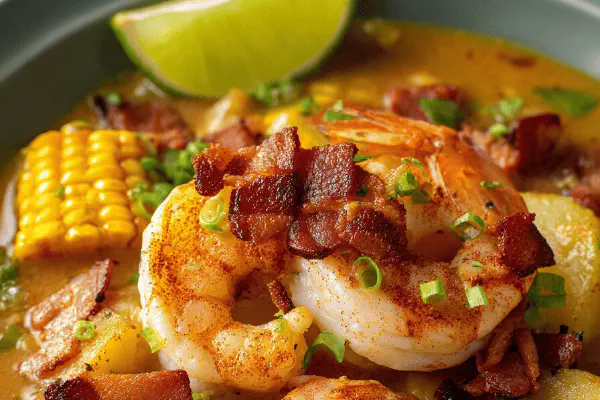
Shrimp Corn Chowder

Creole Tater Tot Bake
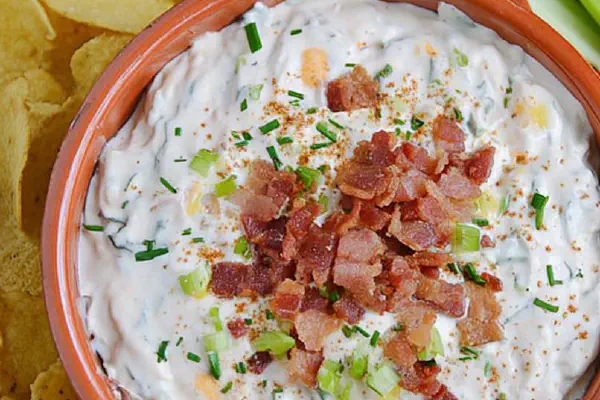
Savory Ranch Bacon Dip
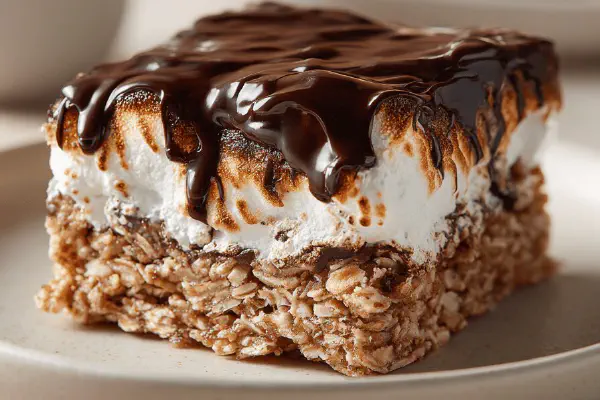
Maple Marshmallow Chocolate Bars
Mint Chocolate Chip Ice Cream Cake
Vietnamese Fondue Sauces Remix

Cherry Cheesecake Brownies Twist
Chicken Sausage Brown Rice Bake
One-Pot Red Beans Rice
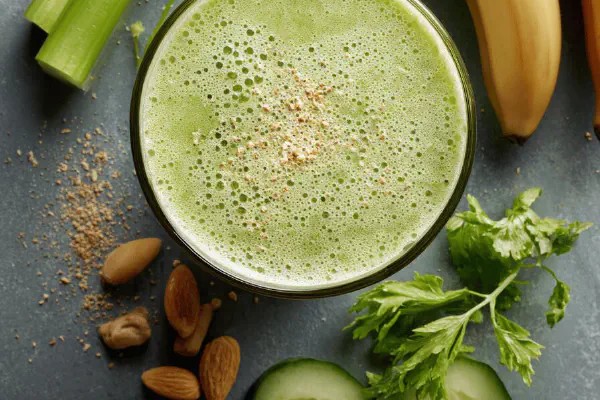
Celery Apple Shakeup
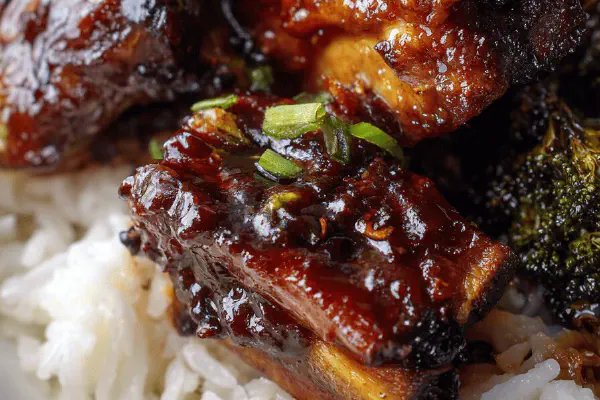
Caramelized Pork Ribs Greens
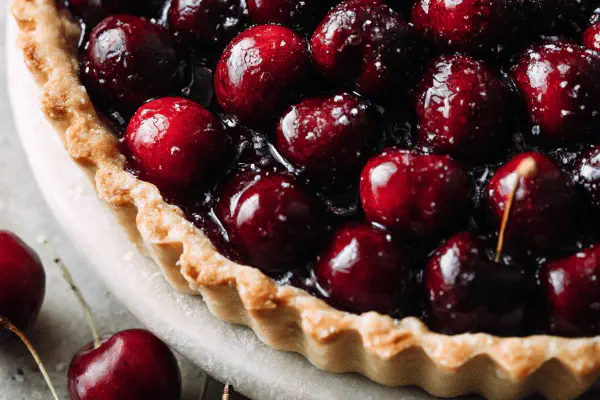
Rustic Morello Cherry Tart
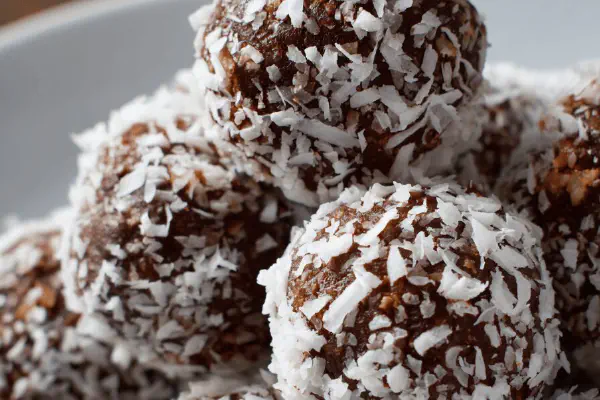
Chocolate Coffee Bites
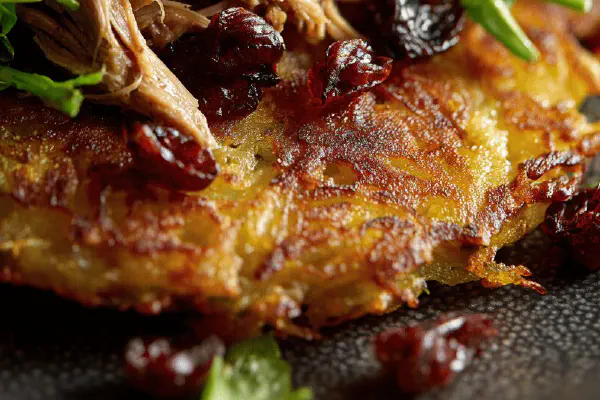
Duck Salad Rösti