Featured Recipe
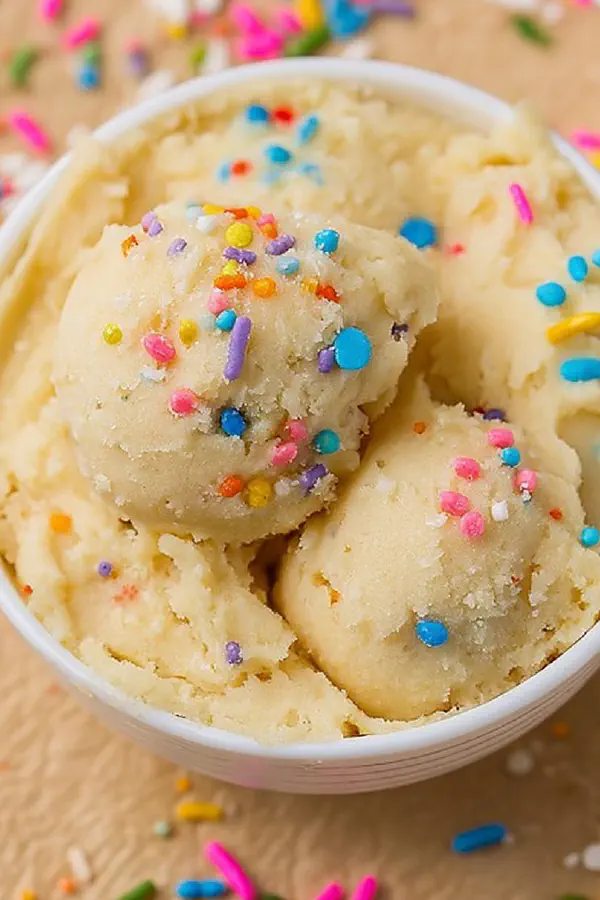
Single-Serve Twist Sugar Cookie Dough
By Kate
"
Single portion sugar cookie dough remix. Butter swapped with browned butter for nuttiness. Coconut sugar replaces white for subtle caramel undertones. Almond flour partially replaces all-purpose for crumbly texture. Add-in: toasted pistachios plus a hint of cardamom. Mix wet and dry separately to avoid overworking. Dough slightly sticky, not dry, press firm to hold shape. Edges crackle when baked right, center soft but set. Visual cues matter more than exact time. Browned butter aroma signals flavor depth. Use room-temp ingredients. Chill if dough feels greasy or too soft. Substitute nut in case of allergy with pumpkin seeds or sunflower kernels. Quick compensations for equipment or ingredient misses included.
"
Prep:
12 min
Cook:
10 min
Total:
22 min
Serves:
1 serving
cookie
dessert
baking
Introduction
Butter melting, sugar grain crunch on tongue, vanilla whisper in background—because sugar cookie dough isn’t just shaking dry and wet and calling it a day. Brown butter throws a curveball. The nuttiness rises with heat, smells that plant a seed for the day. Coconut sugar? Not just a swap but a flavor shift—caramel notes, a little depth beyond the usual white sweetness. Almond flour smudges texture, crumbly bits that break more pleasurably. Tossed in are toasted pistachios, cardamom dust faintly fragrant, a hint that this ain’t your grandmother’s sugar cookie. One serving here means no tray, no fuss, just pay attention to dough signals, the slight tack, the glossy vs dry spots. Baking: those edge crackles, color changing from pale to warm amber. Surface bubbling just shy of burn. Small batch, big layers of flavor and texture. Practical tweaks everywhere, substitutions open—don’t let missing ingredients stall. This is the craft, in your palm. In the kitchen’s sensory orchestra, timing guided by eyes and smell, not the clock. You’ll know when it’s right. All about nuances, little shifts in texture, aroma, and look—no fluff, just purpose.
Ingredients
In The Same Category · Sweet Treats
Explore all →
Cinnamon Whiskey Truffles

Twisted Sweet Potato Pie
Prune Oatmeal Bars Twist
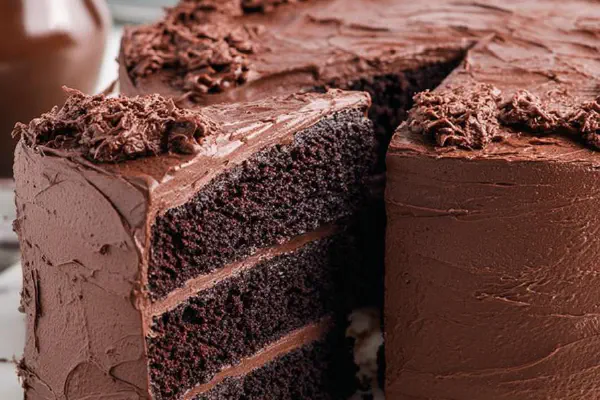
Dark Mocha Fudge Cake
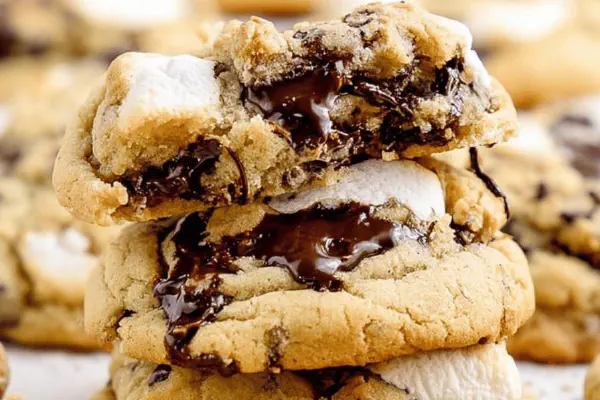
Chocolate Marshmallow Cookies
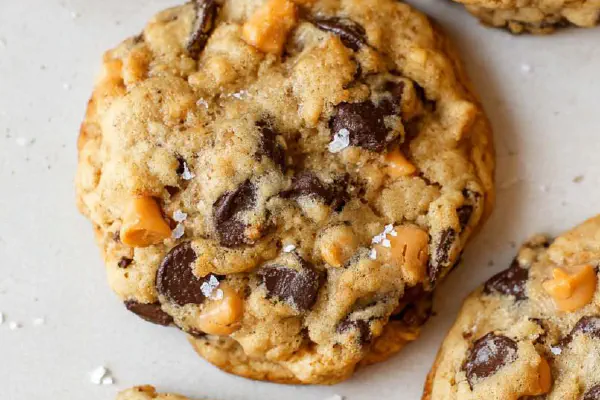
Brown Butter Oat Cookies

Pink Lemonade Cupcakes Remix
Tangy Buttermilk Bundt Cake
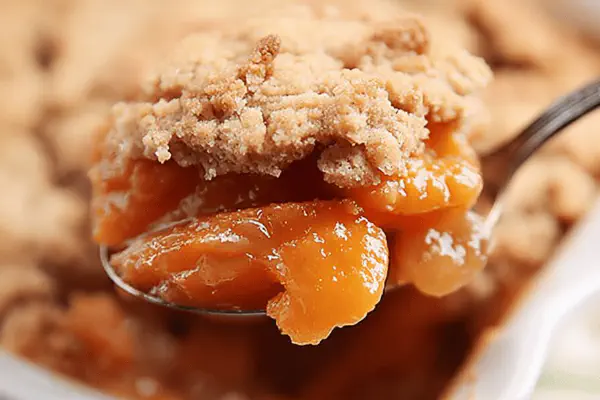
Sweet Potato Cobbler Remix
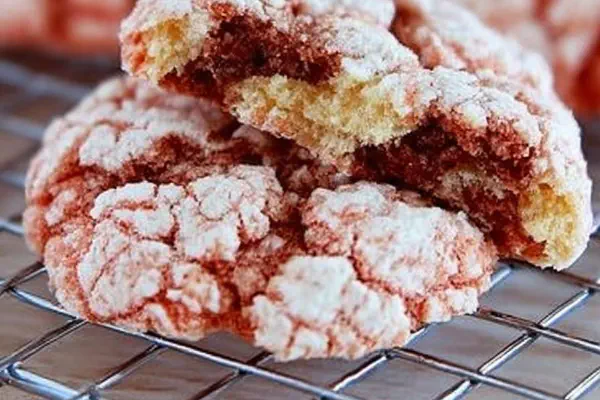
Twisted Cake Mix Cookies
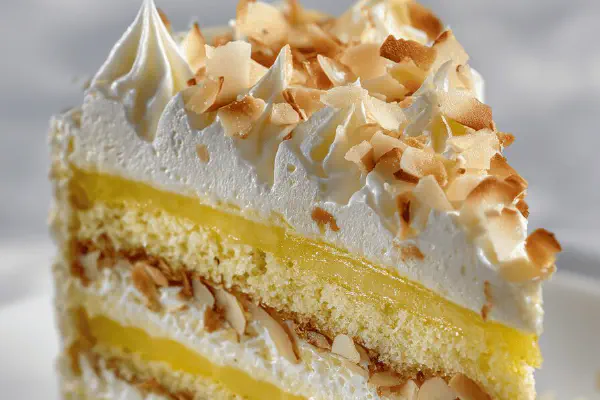
Lemon Chiffon Cake Remix

Chocolate Peanut Butter Crisps

Chunky Pineapple Cream Ice
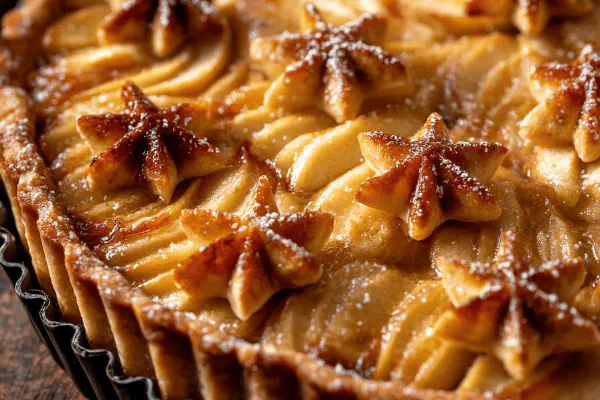
Twisted Apple Tart
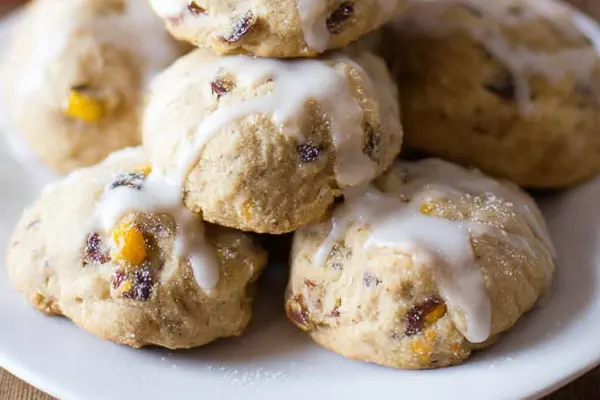
Persimmon Walnut Cookies
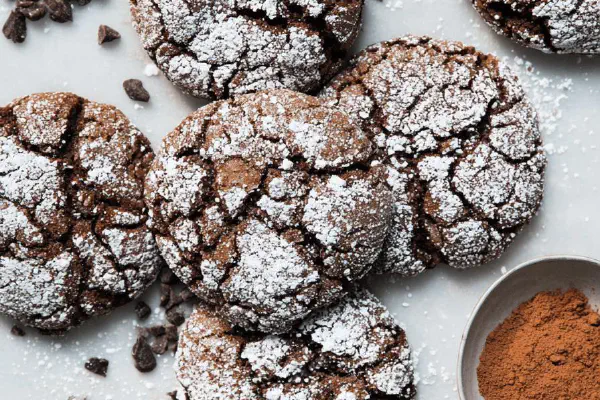
Double Chocolate Crinkle Cookies
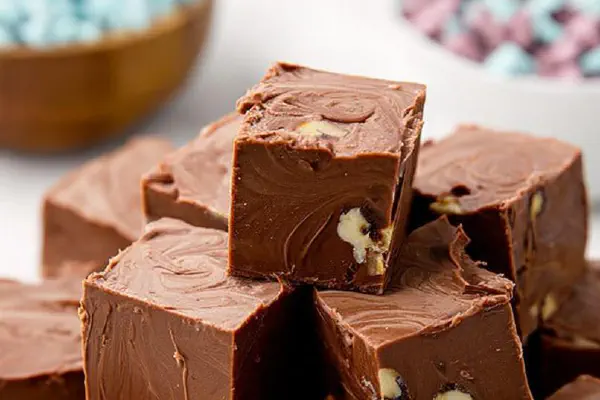
Chunky Candy Fudge
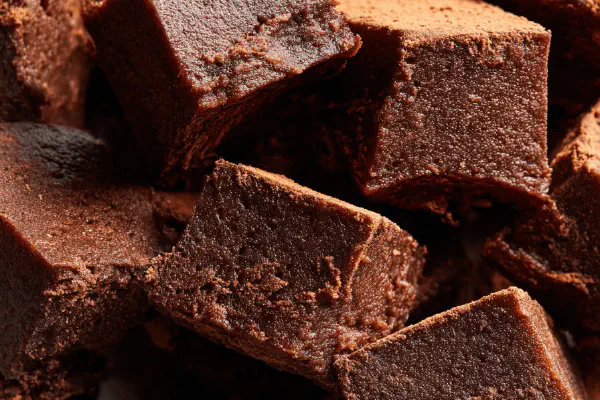
Mini fudge squares
Triple Chocolate Log
Rhubarb Apple Jam Variation
Jam Coconut Crunch Cookies
Spiced Pumpkin Jelly Roll

Golden Croissants with Rum Caramel
Lemon Cream Cheese Bars
Velvet Chocolate Frosting

Strawberry Rhubarb Tart
Roasted Strawberry Eton Mess
Sheet Pan Mix Cookies
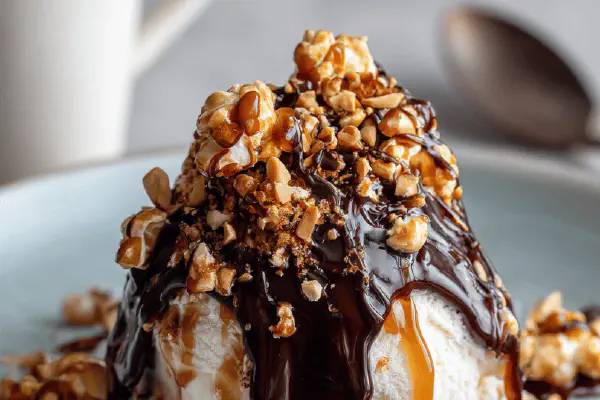
Fudge Popcorn Sundaes
About the ingredients
Brown butter isn’t just fancy detail—browning reduces water, concentrates milk solids, gives nuttiness that transforms simple butter flavor. Brown sugar swap with coconut sugar changes texture—less moist, so almond flour added to help absorb moisture and prevent sogginess. Salt pinch essential—flattens sweetness, wakes up flavors. Vanilla extract boosts aroma and overlaps with cardamom’s subtle floral spice. Pistachios toasted for crunch and deepen flavor, but nut allergies? Use pumpkin or sunflower seeds toasted similarly, slightly different crunch but comparable mouthfeel. Don’t measure butter cold; room temp or just browned ensures even mixing without greasy lumps. If dough too sticky after mixing, a short chill tightens fats, eases handling. If too dry or crumbly, don’t panic—wet fingers or a teaspoon of milk water will bring it back. Balanced wet to dry ratio critical—the dough is soft but holds shape. Measuring flours by spooning lightly into cup or weighing ensures consistency; packing flour dense ruins dough texture. No substitutions on flours willy-nilly or cookie fails. Remember: cardamom optional but adds complexity, offsetting sweetness and deepening aroma, works well with browned butter’s nutty notes.
Method
Technique Tips
Brown butter on medium heat, not high; bubbling signals water evaporation, then milk solids begin to brown—move pan to lower heat or remove briefly to avoid bitter burn. Cooling browned butter prevents cooking eggs or other heat-sensitive ingredients if egg present; here no egg needed but cooling avoids melting sugar excessively. Coconut sugar may granulate if mixed warm, stir gradually until uniform. Sifting dry ingredients avoids clumps, helps even distribution, avoids overworked tough dough, which creates dense chew instead of crumbly bite. Folding, not stirring, is key—overworking gluten network toughens dough, ruins delicate crumb. Shape dough roughly for rustic look—too precise means compressed, less air. Baking on parchment or silicone mat prevents sticking and burning bottom. Oven position crucial; middle rack hottest without over-browning top or bottom. Listen for subtle crackle—sign cookie releasing moisture, edges crisping—don’t wait for popping sounds, indicates overbaked or burning. Let cookies rest post-bake; fats solidify, texture firms but remains tender inside. Storing uneaten dough chilled wrapped extends life; counter storage leads to oil separation and greasy surface. Reheat dough slightly before baking if refrigerated stiff. Watch dough behavior rather than timer alone for best results.
Chef's Notes
- 💡 Brown butter carefully. Medium heat; foaming should subside. Watch closely. Nutty aroma is key. Essential to flavor. Don’t burn. Remove from heat before it gets too dark.
- 💡 Mix coconut sugar and vanilla. Gradually incorporate browned butter. Should be creamy, but still thick. Grainy texture might remain. Important not to melt everything completely. Control is vital.
- 💡 Sifting flours avoids clumps. No dense textures. Just a light dusting into the wet mix. Be gentle when folding. Overmixing causes gluten formation. Tough dough not crumbly.
- 💡 When adding in pistachios, do it last. Keeps that crunch intact. Dough is slightly tacky; should hold shape. If too soft, chill briefly. For dry dough, add water.
- 💡 Baking on parchment paper or silicone mats prevents sticking and burning. Middle rack is best for even heat. Look for tiny cracks on edges for doneness. Ignore the timer.
Kitchen Wisdom
What's the best way to brown butter?
Heat on medium. Watch for froth and nutty scents. Remove before burns; flavor matters more than time. Eye it.
Alternatives for ingredients?
Almond flour can swap for oat flour. Expect different texture. For nut allergies, use pumpkin seeds instead of pistachios. Details matter.
Why is my dough too sticky?
Short chill can fix that. Also, don’t rush mixing. Add flour gradually if needed. Keep ratios balanced.
How to store leftovers?
Chilled, wrap dough tightly. Room temp leads to grease pooling. If too stiff later, warm slightly before using. Fixes texture.
You’ll Love These Too
Explore all →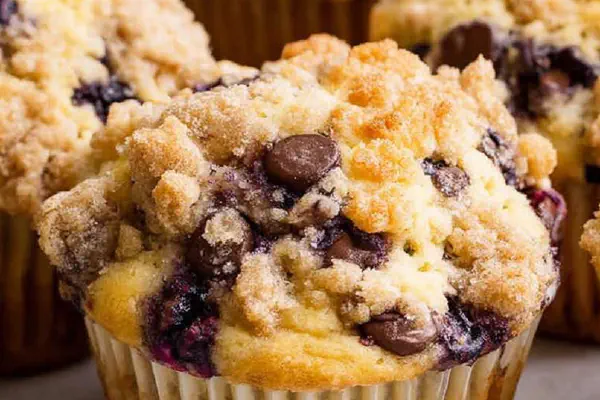
Blueberry Choc Chip Muffins Reimagined
Golden Croissants with Rum Caramel
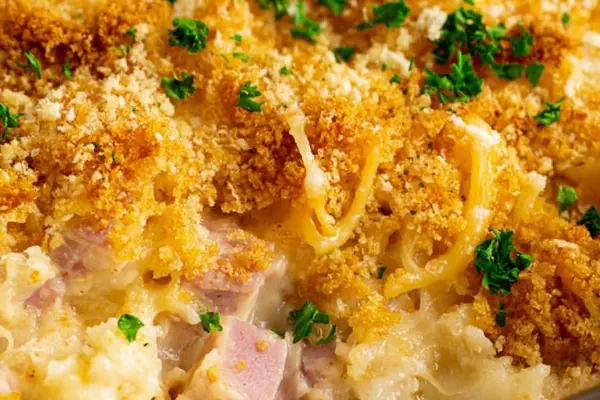
Chicken Ham Cheese Bake
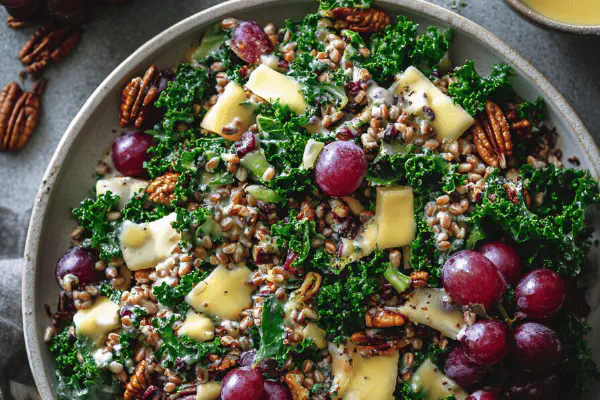
Wheat Berry Kale Salad Greek Yogurt Dressing
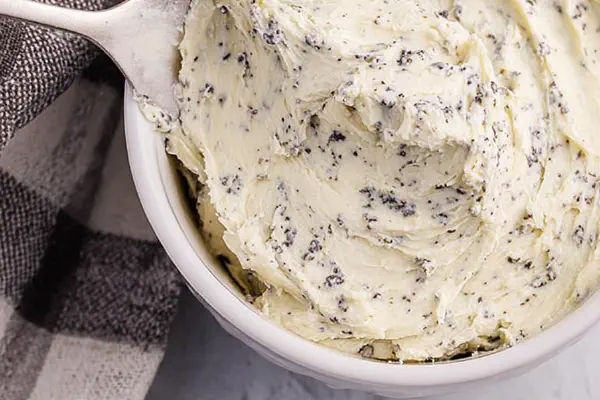
Mushroom Garlic Butter
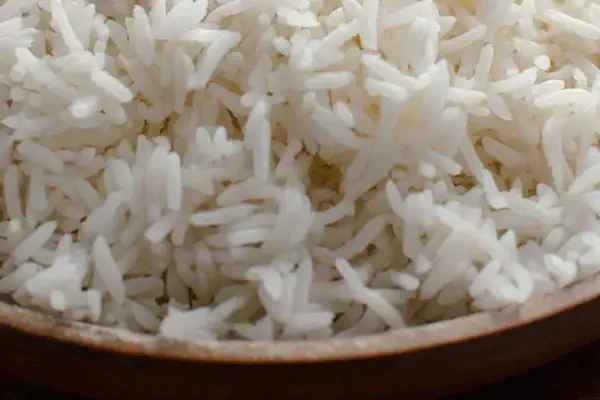
Fluffy Long-Grain Rice
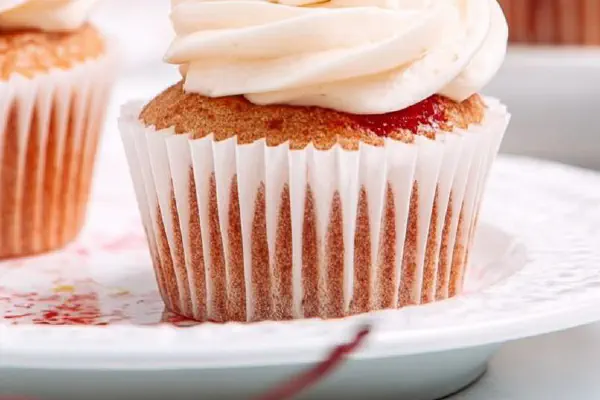
Cherry Almond Cupcakes
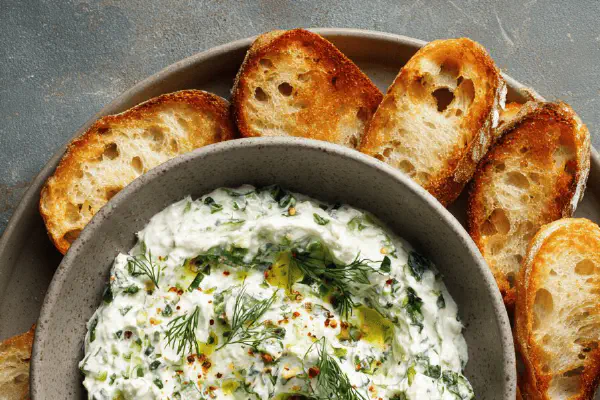
Herbed Yogurt Cucumber Dip
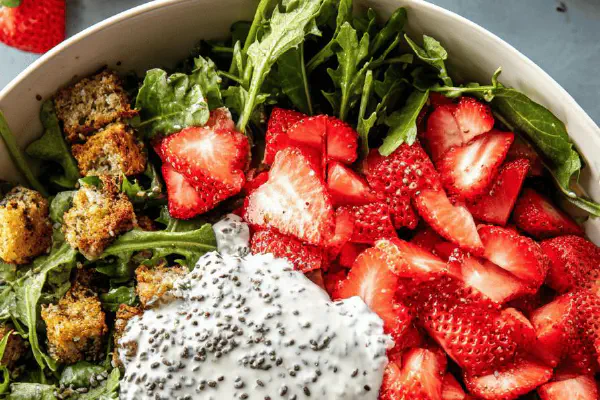
Strawberry Poppyseed Salad
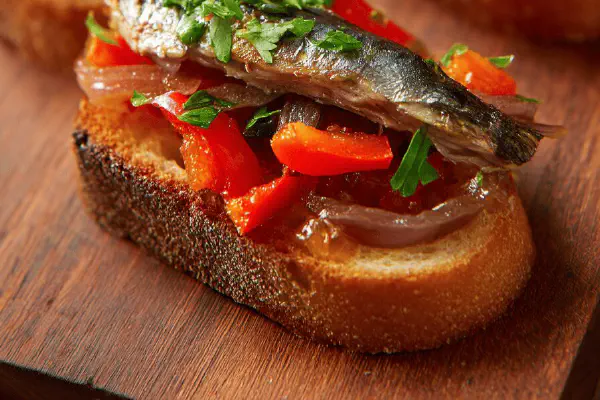
Grilled Sardine Tartines
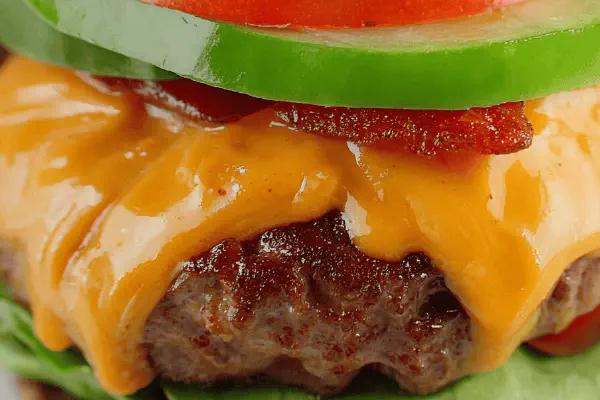
Twice-Cheddar Double Burger
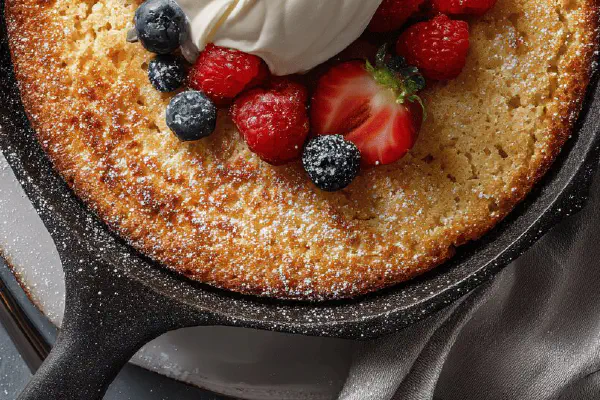
Vanilla Skillet Cake
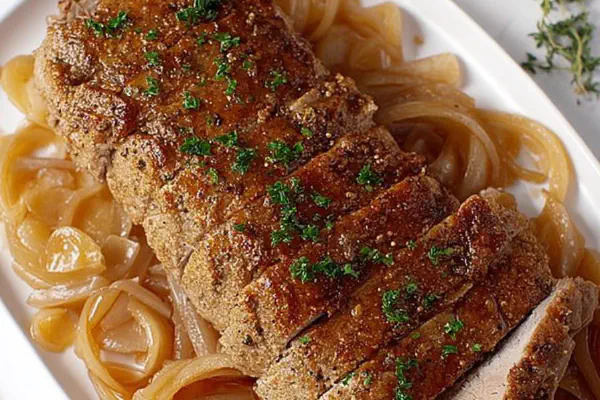
Slow Cooker Pork Roast Twist

Cod Orange Fennel Leek
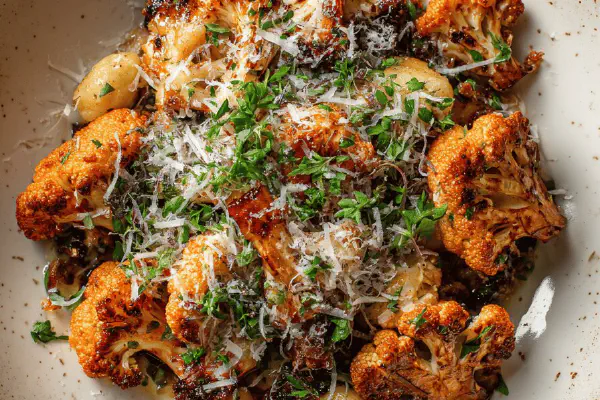
Caramelized Cauliflower Gnocchi
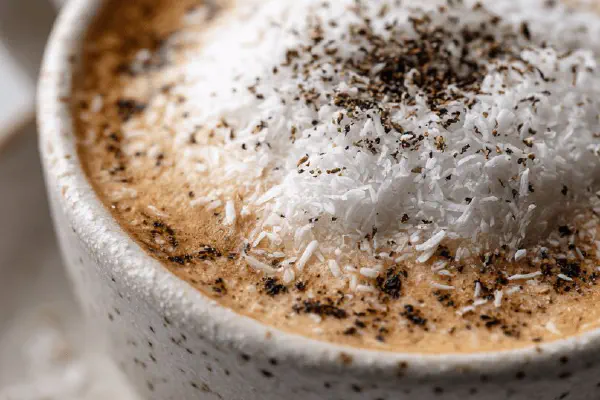
Coconut Nutmeg Latte Twist
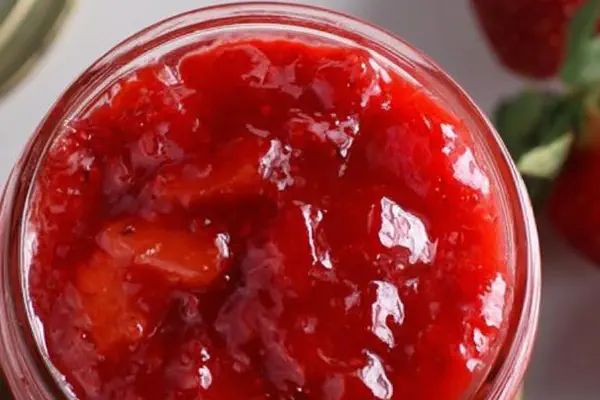
Chunky Strawberry Sauce
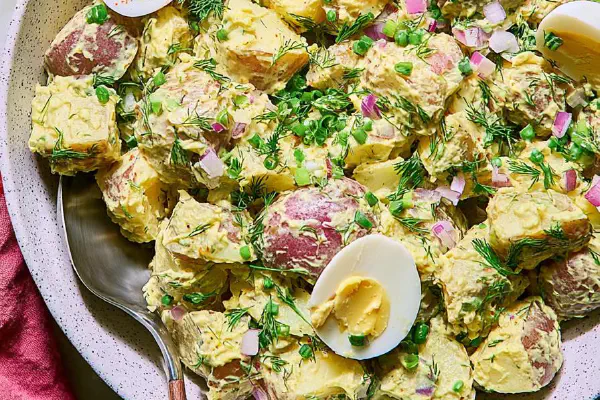
Tangy Herb Potato Salad
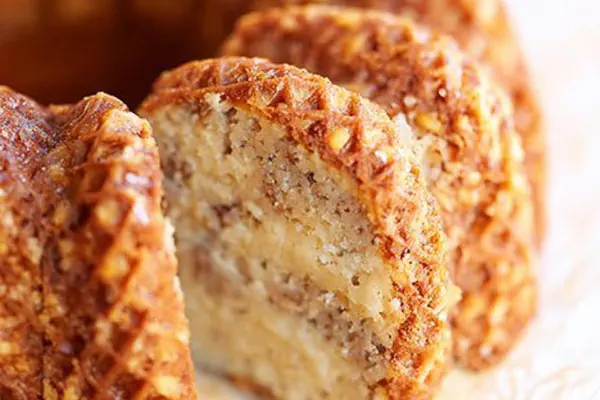
Twisted Vanilla Crunch Cake

American-Style Double Burgers
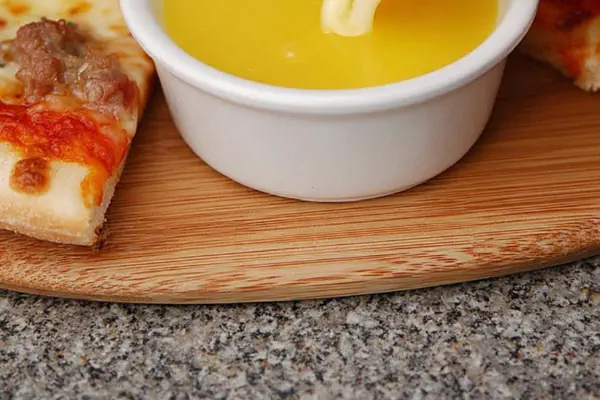
Garlic Butter Sauce Twist
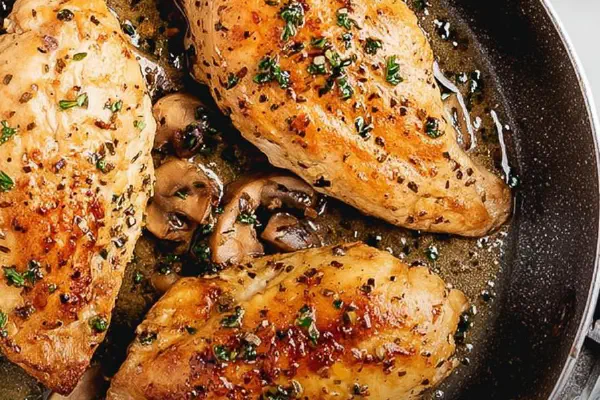
Herb-Infused Pan-Seared Chicken
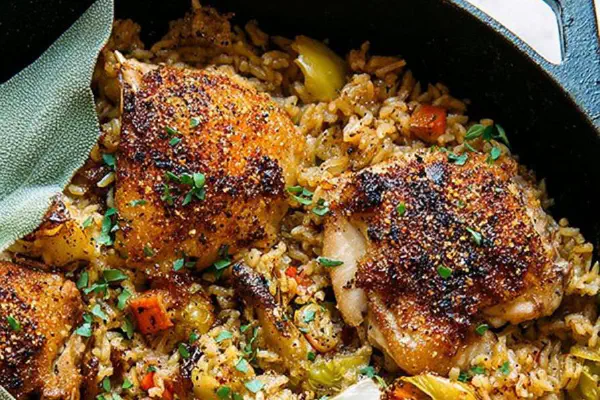
Creamy Chicken Rice Skillet
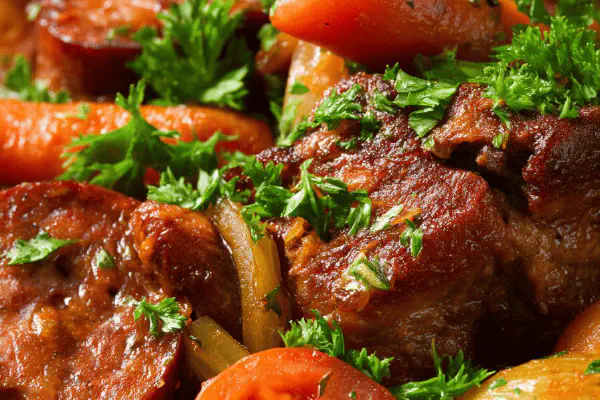
Slow-Braised Pork Shoulder Casserole
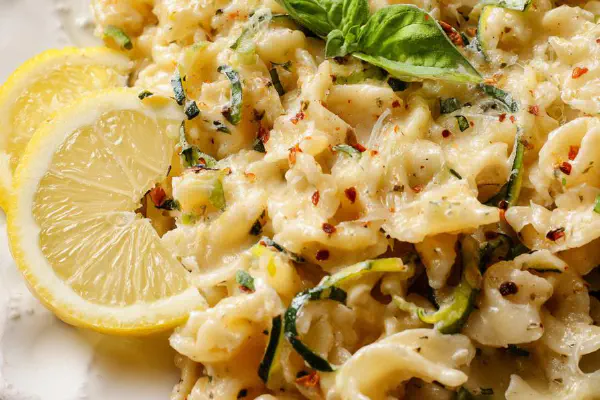
Zucchini Lemon Fettuccine
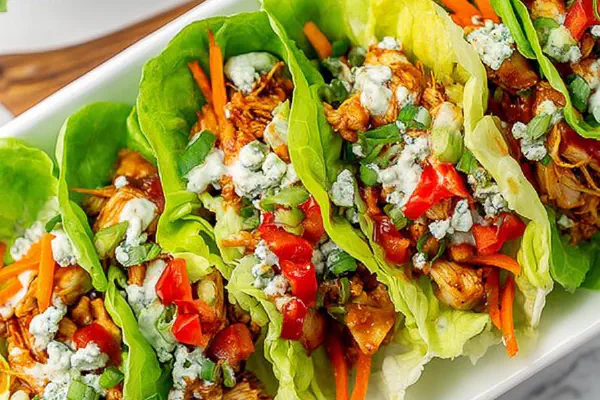
Smoky Citrus Chicken Skewers
Tangy Cranberry Aioli

Asparagus Milk Crepes
Sausage Shepherds Pie