Featured Recipe
Slow Cooker Pork Roast Twist
By Kate
"
Pork loin rubbed with a reworked spice blend and seared for crust. Slow cooked with apple cider and a mix of Worcestershire and balsamic for depth. Onions roasted beneath; juices strained then thickened into gravy. Resting pork retains juices. Serves six. Timing flexible, use sight and touch for doneness and doneness. Includes tips for substitutions and troubleshooting typical slow cooker pitfalls such as overcooking and dry meat.
"
Prep:
20 min
Cook:
4h 30min
Total:
4h 50min
Serves:
6 servings
pork
slow cooker
dinner
American
Introduction
Bare pork loin. Dry but workable. Rub that spice mix deep, not just surface. Salt penetrates muscles slowly, pulls flavors inside. Sear it hard enough to hear that crisp crackle sound - no color, no taste layers. Onions below trap juices, soak up pork’s essence, get soft and sweet. Apple cider brightens; balsamic vinegar adds shadowy hints. The brown sugar cuts acidity, caramels on the edge. Slow cooker does heavy lifting but still watching internal temperature, never guess. Resting crucial for juiciness or you lose it all right on the cutting board. Juices strained, skimmed, thickened into gravy - liquid gold. Layers of flavor from minimal fuss. Home meal that teaches you nuances of low and slow with punch. Be ready for tweaks; flipping ingredients, prolonging cooking a bit, shaving time. Know your machine. That’s kitchen wisdom. No fluff, just pork and technique.
Ingredients
In The Same Category · Hearty Mains
Explore all →
Twist Chicken Kiev
Chicken Pot Pie Pasta Bake

Lobster Pea Benedictine
Grilled Lamb Leg Twist
Beer Chicken with Apricots

Smoky Chicken And Andouille Gumbo
Potato Ham Au Gratin

Shrimp Spinach Lasagna
Million Dollar Chicken Bake

Curried Lobster Coconut
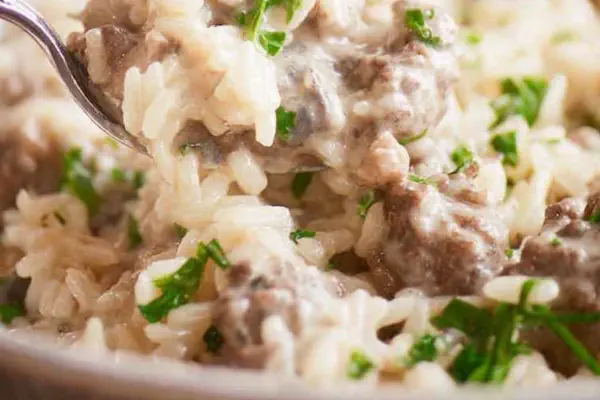
Savory Beef Stroganoff Casserole
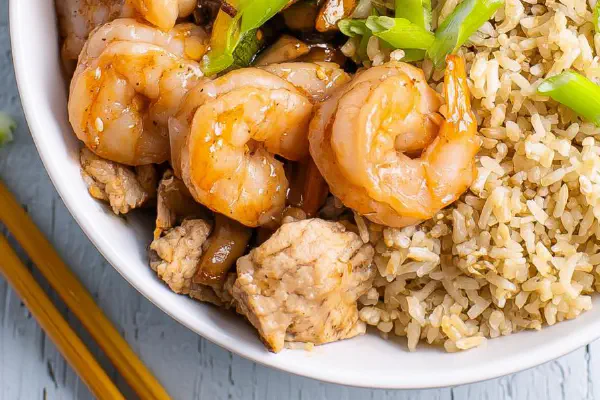
Hibachi Grill Mix-Up
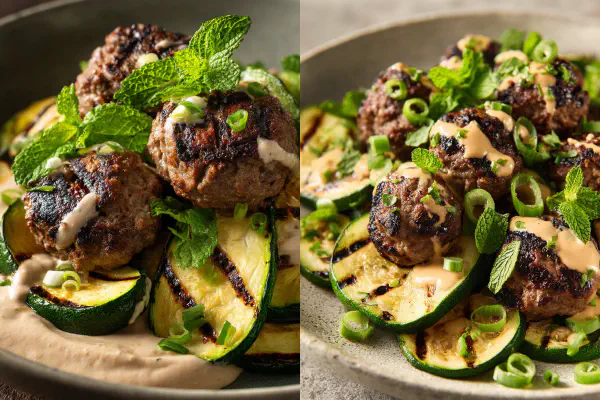
Beef Zucchini Meatballs Tahini
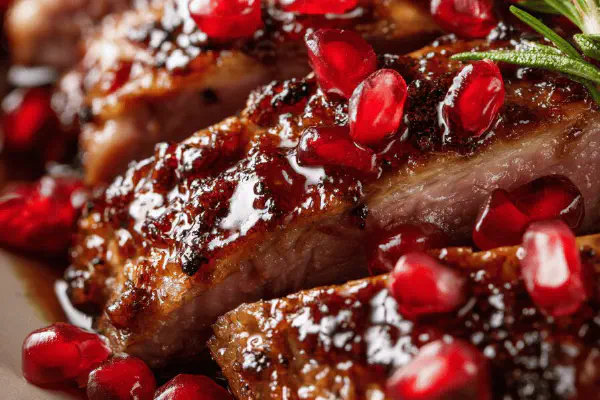
Duck with Pomegranate Glaze
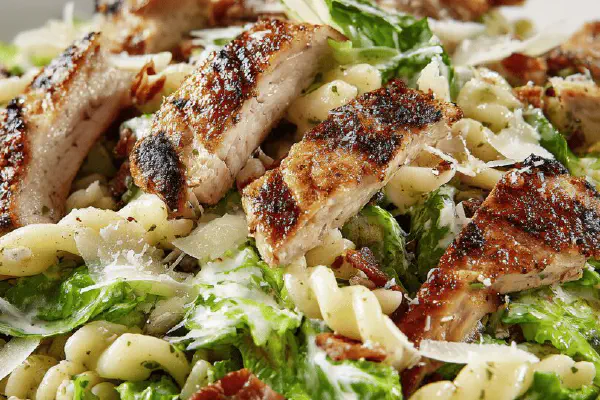
Chicken Pasta Salad Caesar Twist
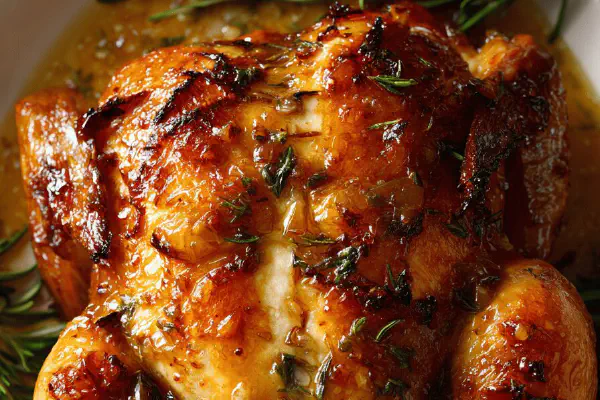
Roast Chicken with Apricot Glaze

Alsatian Flambé Tart Twist
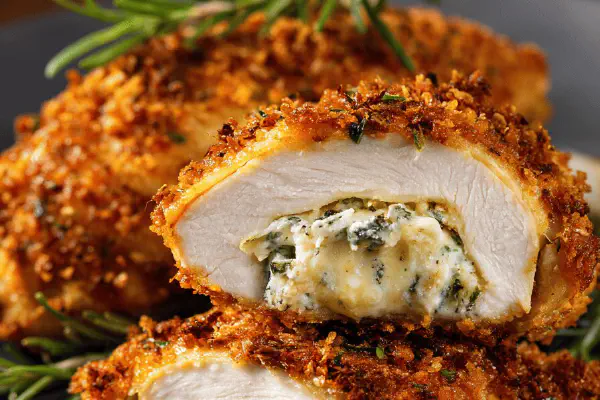
Herb Butter Chicken Kiev
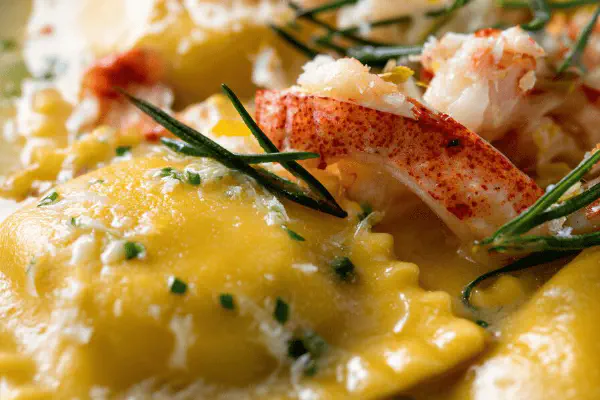
Lobster Ravioli with Citrus Butter
Reverse Sear Tenderloin
Braised Pork with Dates

Buffalo Chicken Pasta Bake
Creamy Tortellini Ham
Pork Chops with Creamy Bacon Sauce
Sole Potato Casserole
Slow Cooker Swedish Meatballs
Spiced Beef Steaks
Beef Ribs Cola BBQ
Ground Pork Stir Fry with Broccoli
About the ingredients
Changing ginger to cinnamon and thyme to rosemary shifts spice fully from floral herbaceous to warmer piney and a hint sweet spice. Apple cider instead of store-bought apple juice brings acidity that cuts richness rather than adding extra sugar. Balsamic vinegar deepens taste complexity and tempers sweetness, balancing savory-sweet palette. The dry rub combo is designed to punch flavor gently but effectively over low cooking times. Onions placed beneath pork act both as a flavor base and barrier from direct heat in slow cooker. Searing forms flavor layers and texture contrast; no oil alternative is fine but must handle heat well - grapeseed or avocado work great. Continuous stirring of cornstarch slurry into hot liquid prevents lumps, thickens gravy just right. If brown sugar runs out, dark muscovado beats light for intense richness. Substitutions carefully aim to keep vegetable oil and Worcestershire as anchor points for traditional notes while allowing flexibility.
Method
Pork Preparation and Rub
- Rinse pork lightly under cold water and pat dry thoroughly with paper towel. Moisture kills sear. Mix garlic powder, cinnamon instead of ginger (adds warmth but less spice), rosemary replacing thyme for earthy pine note, salt and pepper. Work spice blend over entire pork surface, pressing to adhere and penetrate muscle fibers. This dry rub helps form crust in sear stage and flavors interior slowly during cooking.
- Heat oil in heavy skillet over medium-high flame until shimmering but not smoking. Place pork loin down; hear immediate hiss - that’s Maillard reaction kicking in. Cook about 1.5 to 2 minutes per side, roll if needed to brown evenly on all sides. Golden crust, not burnt. This step seals juices and adds complex flavor. Skip if in a rush but note roast will cook up less flavorful.
- Layer sliced onions on bottom of slow cooker. They act as a natural rack and add sweetness. Place seared pork on top. In medium bowl, whisk apple cider (adds bright acidity, less sweet than juice), Worcestershire, balsamic vinegar (replace half of original brown sugar slap with vinegar for tangy depth), and brown sugar. Poor over pork gently, coating onions and meat. Avoid drenching or liquid will dilute seasoning. Cover.
- Cook on LOW setting. Plan 4 to 4.5 hours, but more importantly, check internal temp with instant-read probe starting at 3.5 hrs. Target about 137-140°F for medium with carryover. Temperature is your guide, not clock. Pork will be tender yet firm—and juicy. If it’s dry or tough, likely overcooked or no sear. Once done, lift roast carefully; juices will pool.
- Tent pork with foil to rest 15 minutes. This allows muscle fibers to relax and reabsorb juices. Meanwhile, strain cooking liquid with fine sieve, reserving onions separately - they will soften but keep texture for serving.
- Transfer strained liquid to saucepan. Simmer over medium-low flame until bubbles gently break surface. Mix cornstarch and cold water until completely smooth; drizzle slowly into simmering liquid, whisk vigorously. Gravy will thicken quickly; remove from heat once coats back of spoon.
- Slice pork against grain into thick medallions. Spoon reserved onions over top. Ladle warm gravy over all. Serve with roasted root vegetables or mashed potatoes.
- If no pork loin, pork shoulder works but cooking time needs increase and texture will be different—shoulder more shreddable. Swap balsamic vinegar for apple cider vinegar or omit if not available, but losing acidity balance. No cornstarch? Use arrowroot or reduce with simmering longer to thicken. Skipping sear means milder flavor; in that case, add extra herbs to slow cooker or enhance gravy with sautéed shallots.
- Common issue: overcooking causes dry roast. Use instant-read thermometer early and often. Thick slices retain moisture better than thin. Leftovers excellent cold or reheated gently.
Searing
Slow Cooker Setup
Cooking
Resting and Gravy
Serving
Notes and Substitutions
Technique Tips
Start with dry pork for good sear - moisture kills crust formation. Spice rub should cover entire roast and sink in slightly for thoughtful penetration. The hot pan sound is your best compass; crisp sizzle means proper chemical reaction, dull noise means no color or stuck juices. Slower sear means wet surface, quick flip, more flavorful edges. Layering onions guards pork from direct liquid bathing—keeps texture delicate. Mix liquids thoroughly before pouring to evenly coat pork and onions. Low setting avoids toughening protein, but check with thermometer, not clock. Just pulling too early leaves it underdone, too late dries it. Resting tented retains heat, stops juices from escaping when slicing. Use fine sieve for smooth gravy, whisk slurry in small increments to avoid clumps. Serve immediately with thick slices to showcase moisture retention. Trust your senses through each step rather than fixed times.
Chef's Notes
- 💡 Keep meat dry before searing. Rinse then pat dry. Moisture kills crust. Crust forms sound; sizzling isn’t just noise.
- 💡 Layer onions under pork. They soften, soak flavor. Natural rack for meat. Prevents it from getting too soggy – better texture.
- 💡 Cook with eyes and feel. Thermometer is your best friend. Aim for around 140°F internal temp. Watch for firmness.
- 💡 Cornstarch slurry needs gentle mixing. No lumps. Temperature matters. Drizzle slowly into simmering liquid. Whisk non-stop.
- 💡 Rest meat after cooking, at least 15 minutes. Loose fibers become juicy again. Foil helps retain warmth. Don’t slice too early.
Kitchen Wisdom
What if pork turns dry?
Check temp early and often, under or over is key. Sear first for juiciness. Inaccurate timings kill hope.
Can I use pork shoulder instead?
Yes, different texture. More shreddable. Cooking times need adjustment. Check as it cooks.
Why is gravy too thin?
Not enough cornstarch or cooked too fast. Whisk slowly, gently force it to thicken. Let it simmer longer.
How to store leftovers?
Refrigerate in airtight. Can freeze for future meals. Reheat gently. Not too high temp, keeps moisture.
You’ll Love These Too
Explore all →
Sausage Zucchini Orzo Bake
Roasted Carrots with Dried Fruits
Pumpkin Protein Oats Remix

Mango Pitahaya Tart
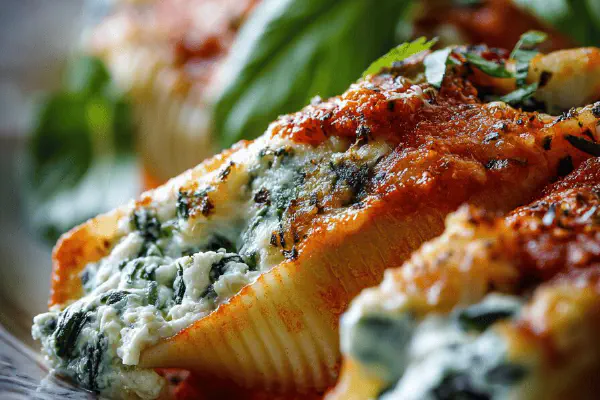
Stuffed Shells with Spinach Ricotta
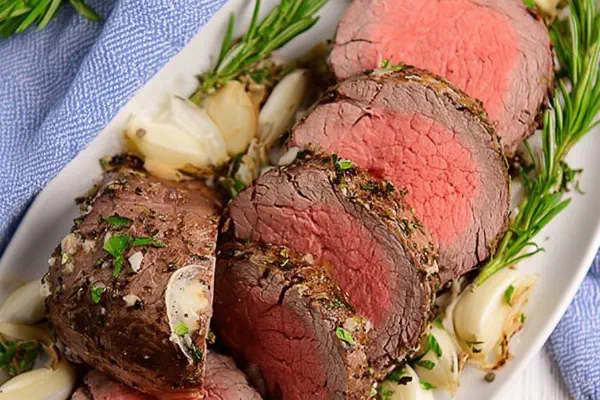
Herb Garlic Beef Tenderloin
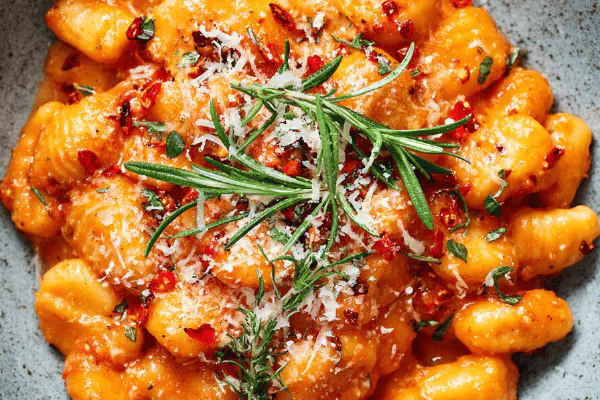
Rosemary Pink Sauce
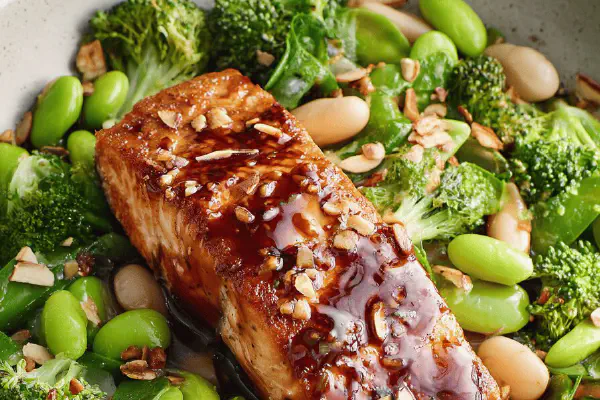
Maple-Glazed Salmon with Warm Bean Broccoli Salad
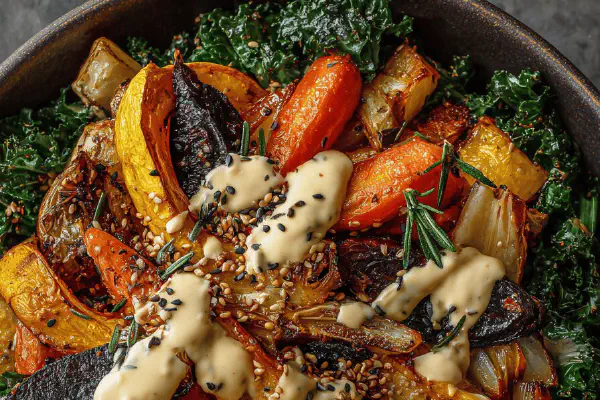
Sesame Rosemary Roasted Veggies

Pear Ricotta Blue Cheese Canapés

Cheesy Yellow Squash Biscuits

Iced Mocha Twist
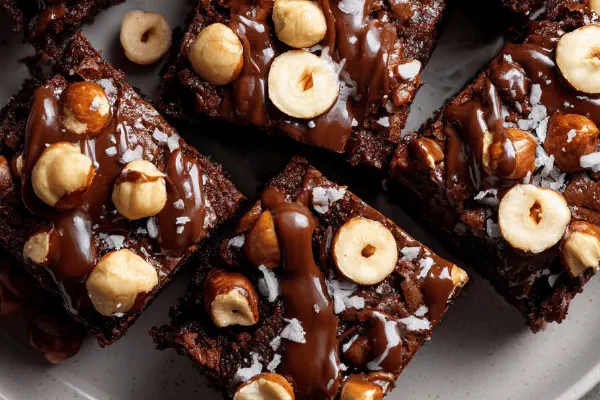
Chunky Chocolate Pecan Brownies
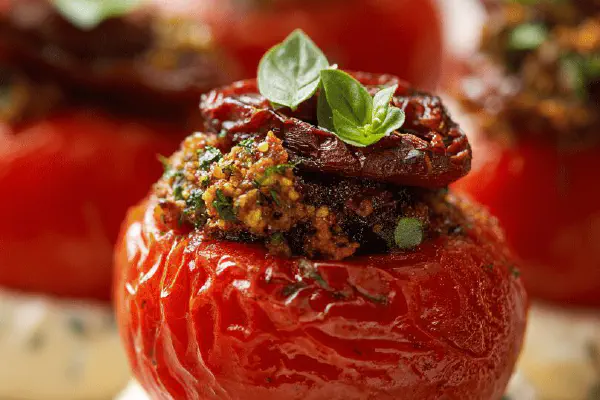
Stuffed Cherry Tomatoes

Upside-Down Apple Tart with Salted Caramel Drizzle

Blondie White Choc Cookies

Maple Bacon-Wrapped Smokies
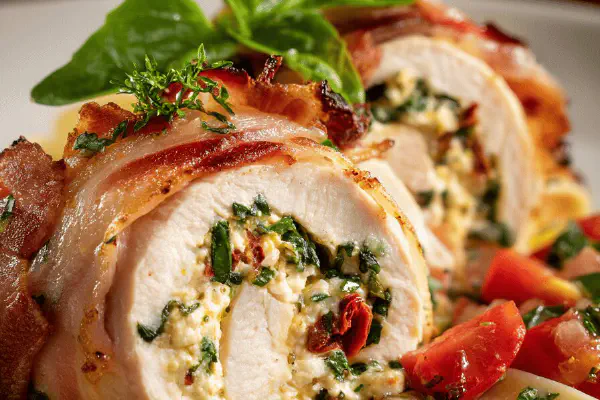
Stuffed Chicken Rolls with Sun-Dried Ricotta
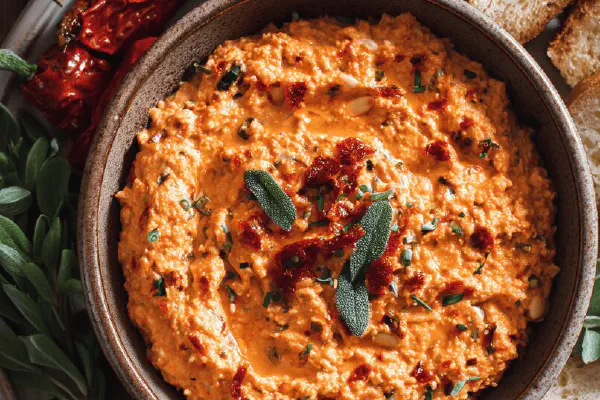
Roasted Red Pepper & Sun-Dried Tomato Dip

Classic Salmon Fritters

Coconut Cream Pie Remix

Almond Slice and Bake Cookies
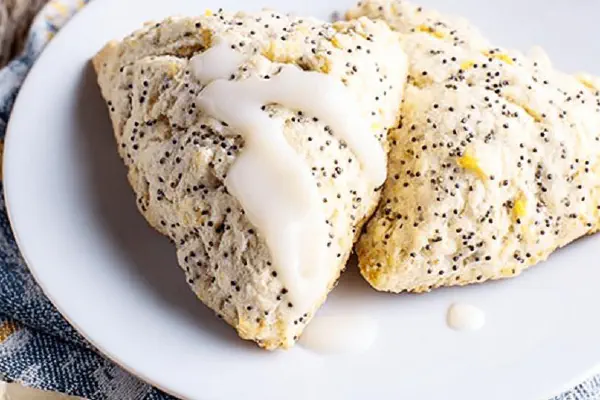
Lemon Poppy Scones Remix

Cocoa Coconut Cookies
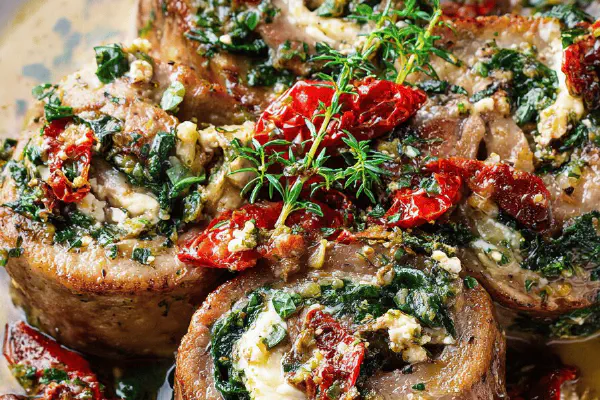
Veal Rolls with Spinach Artichoke
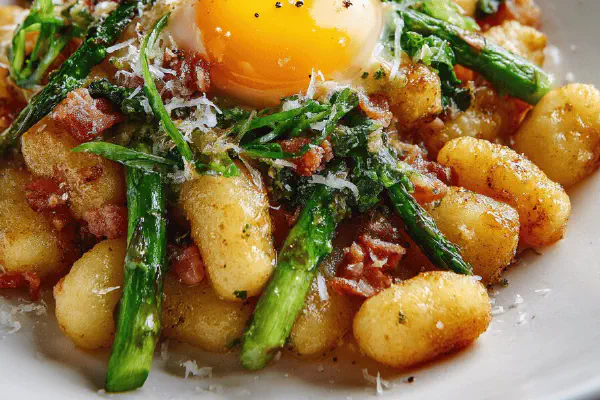
Crispy Gnocchi Carbonara Twist
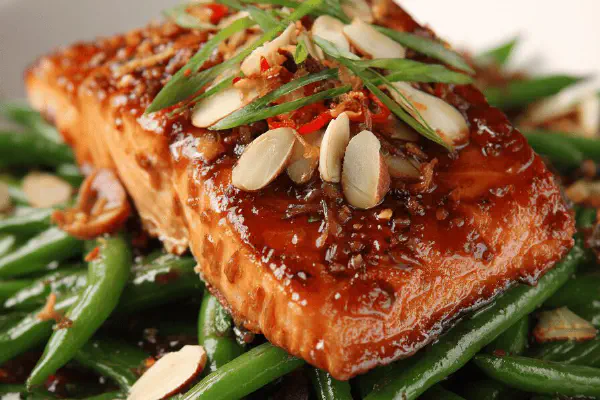
Salmon Teriyaki Twist
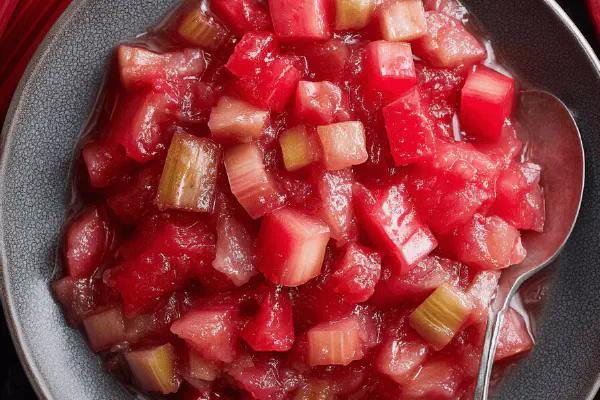
Rhubarb Apple Jam Variation
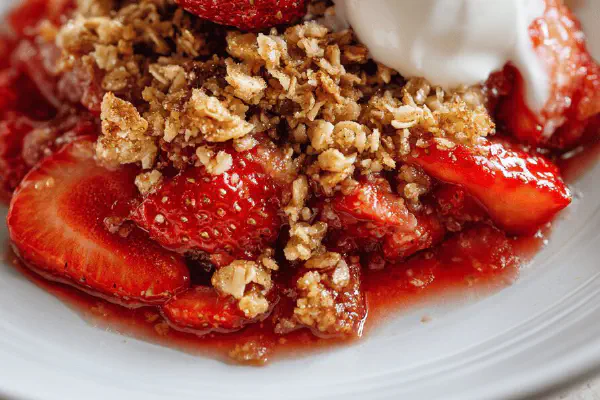
Strawberry Crumble Air Fryer