Featured Recipe
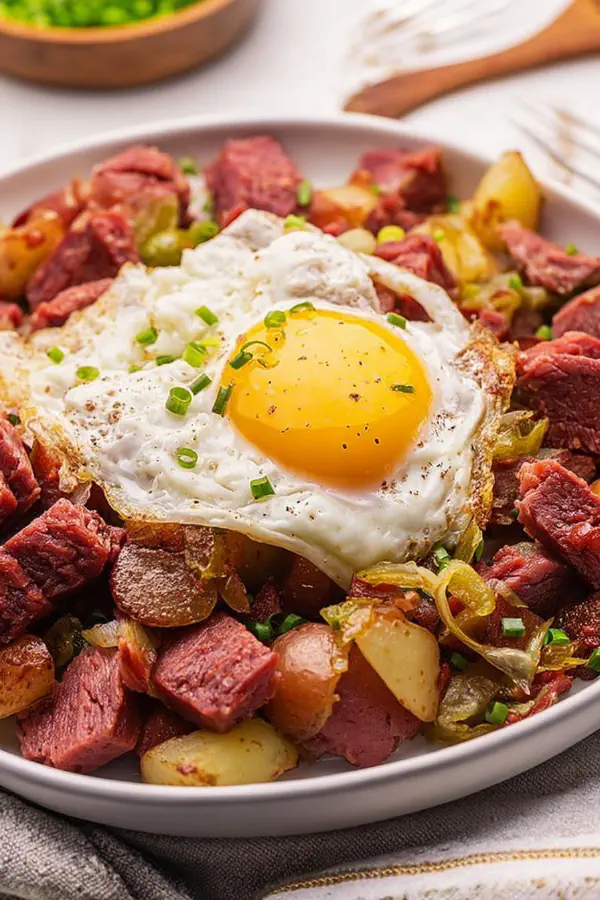
Twisted Corned Beef Hash
By Kate
"
A riff on classic corned beef hash using sweet potatoes and rutabaga instead of regular spuds and carrots. Swap bell pepper for poblano adding subtle heat. Technique focuses on color and texture; avoid sogginess by properly drying veggies before frying. Add cabbage late for slight crunch. Adjust salt cautiously—corned beef can vary. Cook low and slow during browning for crisp bits, vital flavor layer.
"
Prep:
20 min
Cook:
50 min
Total:
70 min
Serves:
4 servings
dinner
quick meal
hash
corned beef
Introduction
Crackling skillet, that popping sound means you’re getting close. You want that sweet onion transparency before flavor jumps. Forget mushy potatoes and bland beef—dry cubes, steady heat, and the patience to let browning happen make or break hash. Sweet potatoes bring natural sugars subtle enough to avoid overpowering. Poblano pepper replacing bell adds edge; not spicy but smoky grassy. Toss in cabbage right near the end to keep its snap. Toss cilantro in at the end for punch of freshness, brightness. Corned beef saltiness varies wildly—taste often. Some use beef left over, fine but dry beef needs extra fat thrown in. Always dry your veggies so getting that crisp crust working. Bottom layer of brown bits? Don’t scrape off! You’re building flavor layers here, that’s one step some overlook. No helicopter stirring–let browning lock in. Cabbage too early? Fades into mush. Fang your way through this approach and your hash sings.
Ingredients
In The Same Category · Hearty Mains
Explore all →
Orange Anise Thyme Turkey
Turkey Taco Skillet Twist
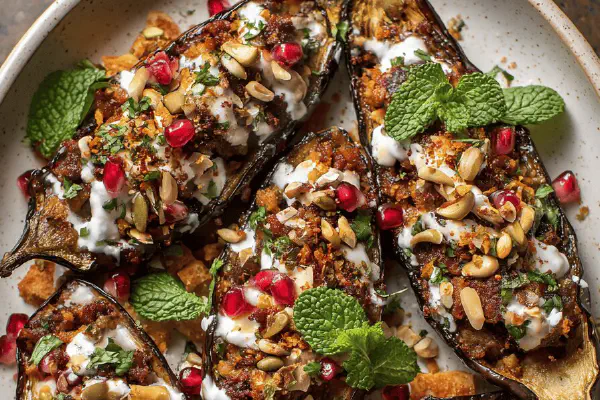
Damascus Lamb-Stuffed Aubergines
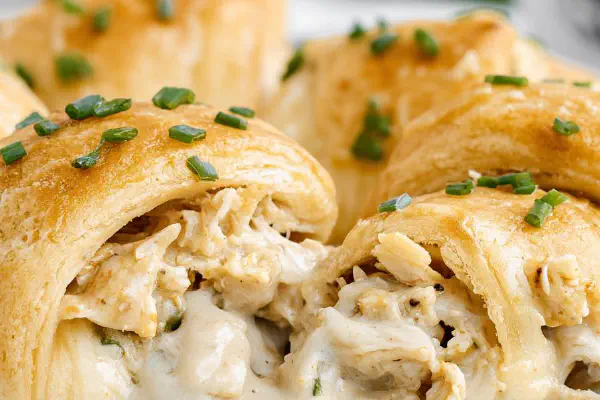
Chicken Crescent Pockets
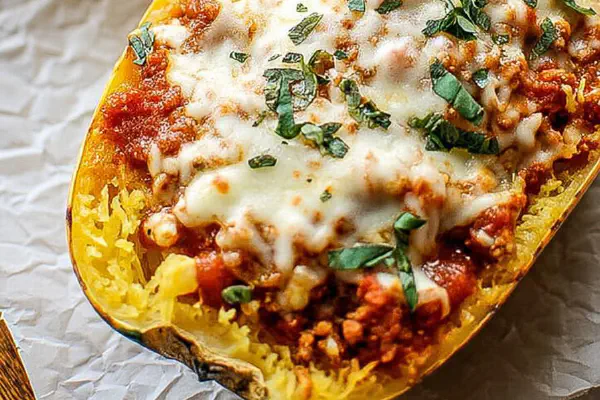
Turkey Spaghetti Squash Boats
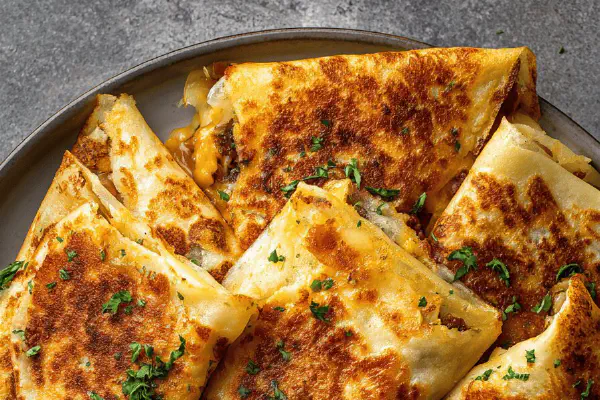
Savory Crepes Burritos
Hearty Chicken Chili Soup
Turkey Chilaquiles Twist
Salmon Lentil Bed
Rustic Creole Sloppy Joes
Coca-Cola BBQ Chicken
Shrimp Creole Remix
Zesty Chicken Curry Twist
Slow Cooker Swedish Meatballs
Quick Spiced Fish Stew
Beer Chicken with Apricots
Chicken Ham Cheese Bake
Cauliflower Chickpea Curry
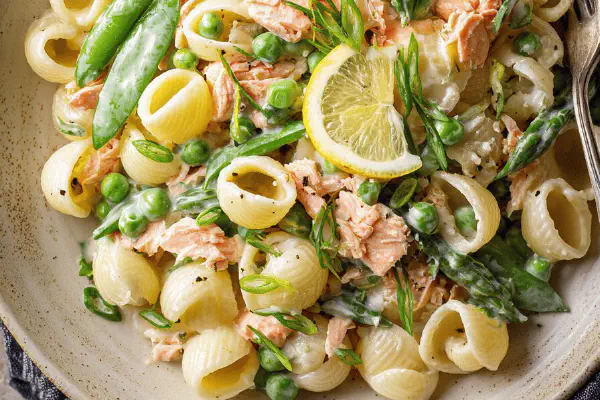
Salmon Pea Shell Pasta
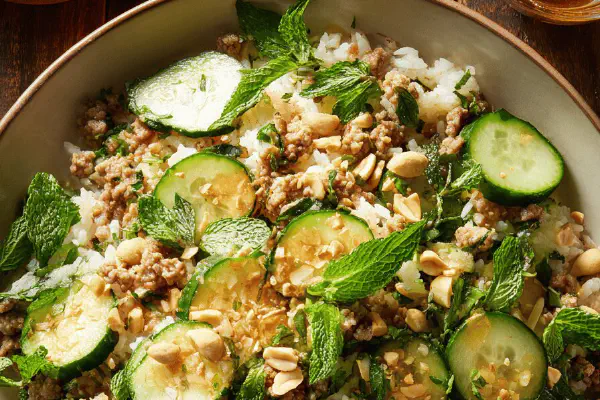
Crunchy Pork Cucumber Rice Salad
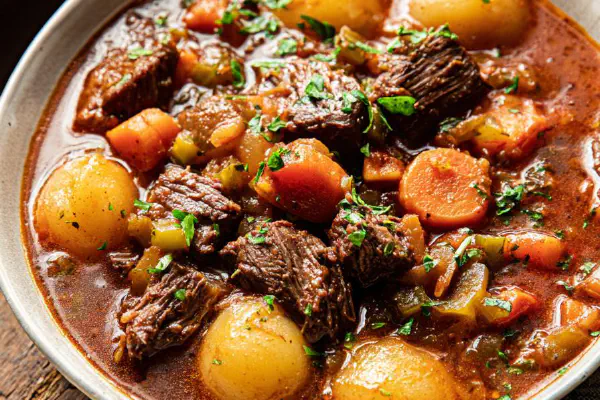
Slow Cooker Rustic Beef Stew

Rustic Creole Drumsticks
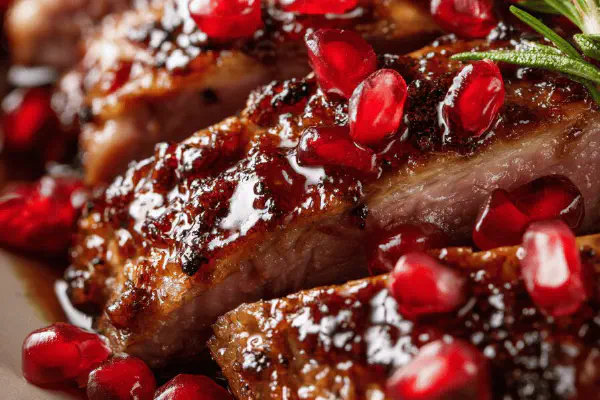
Duck with Pomegranate Glaze
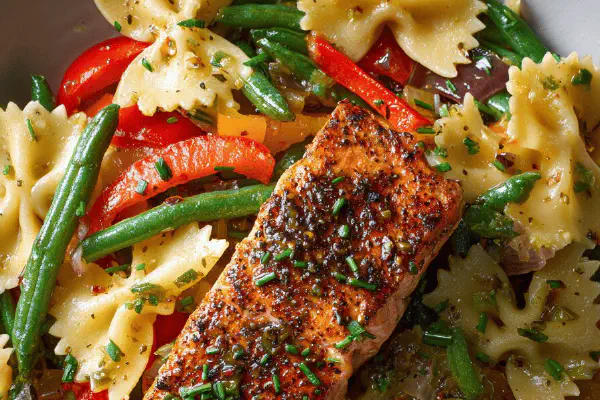
Farfalle with Salmon and Veggies
Sous Vide Flank Steak Twist
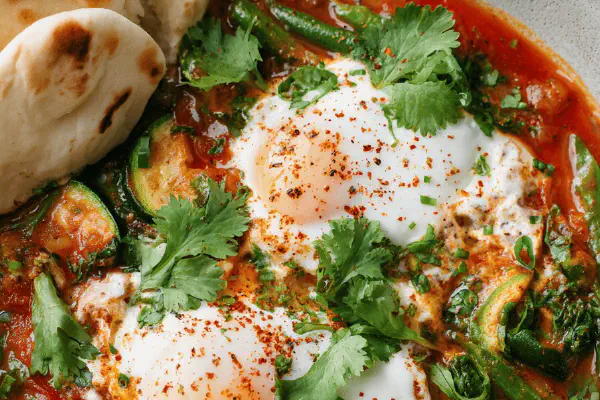
Poached Eggs Indian Tomato Sauce
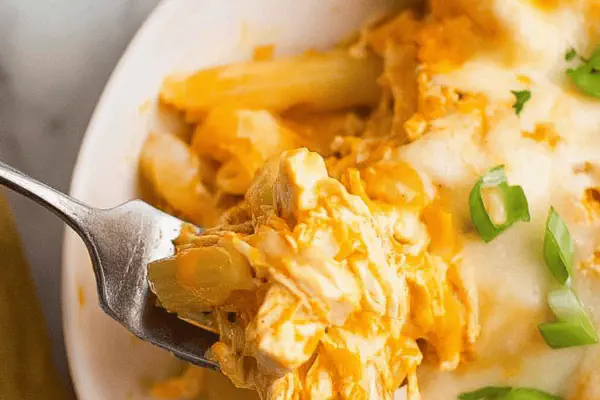
Buffalo Chicken Pasta Bake
Pork Medallions Clementine Glaze
Beer Chili Twist
About the ingredients
Sweet potatoes absorb less fat than russets but have their own softness. Cut evenly for uniform cooking. Rutabaga holds shape better than carrot for the root component; undercooked rutabaga tastes woody, overcooked turns mushy so keep tines checking. Poblano brings moderate smokiness and slip of heat; if you can’t find it, Anaheim pepper is decent alternative—or stick with bell but toss in smoked paprika to compensate. Fresh cabbage adds crunch and cuts heaviness; sub kale if preferred, but cook slightly longer. Corned beef canned or leftover; cubed uniform for even browning. Use fresh chopped cilantro for brightness but flat-leaf parsley also good to tone down herbal punch. Butter helps color so don’t skip if you want golden pieces. Olive oil handles heat and smoke points better than butter alone. Salt cautiously—corned beef is tricky; better to under season and finish end of cooking.
Method
Technique Tips
Butter and oil combo vital. Oil prevents butter burning, butter adds flavor and helps color develop evenly. Wait for butter to foam and then recede—signal for perfect temp. Onion first so its natural sugars bloom before other veggies crowd pan. Poblano pepper cooks slower than regular bell—look for soft skin with small charring spots. This lets sugars caramelize, enhances complexity. Vegetables must be dry so they sear and crisp rather than steam; toss cubes in kitchen towel or paper towels first. Stir but not obsessively; let bottom brown before stirring to build flavor crust. Corned beef releases fat; keep pan medium heat to avoid steaming. If it steams, reduce heat, tilt pan to drain liquid—no soggy hash. Add cabbage last to preserve texture, just enough heat to wilt but not collapse leaves. Fresh herbs off heat prevent bitterness that cooking green herbs can trigger. Serve immediately—hash resists reheating well, best enjoyed fresh. If reheating, do on stove top, high heat, quick toss to re-crisp. Avoid microwave which will turn it dull and soggy.
Chef's Notes
- 💡 Dry those veggies well. Moisture leads to steaming instead of crisping. Use a towel to pat them down. Use flour lightly if they’re too wet.
- 💡 Cooking technique matters—medium heat, lots of patience. Listen for that sizzle when you add corned beef. It’s all about building flavor layers.
- 💡 Watch onion closely. Fresh, sweet, translucent but no browning. That’s key. Timing means everything—don’t crowd the pan or lose texture.
- 💡 Keep spices simple. Corned beef varies in saltiness, taste often. Better to under-season. Finish with salt at the end for best results.
- 💡 Cabbage last. Preserve crunch; overcooking ruins it. Just a few minutes, so it wilts but doesn’t collapse. You want that bright green color.
Kitchen Wisdom
Can I use leftover beef?
Sure, use it. But keep a close eye. May need more fat to compensate. Dry beef needs attention while cooking.
What if my hash is soggy?
Undercooked veg could be issue. Add more heat, toss frequently. High temp can help those bits turn crisp.
What's a good substitute for rutabaga?
Try turnips. Similar texture but tastes different. Parboil to soften if needed. Adjust for moisture.
How to store leftovers?
Refrigerate in an airtight container for few days. Reheat in skillet, high heat. Avoid microwave; it won’t stay crisp.
You’ll Love These Too
Explore all →
Spicy Roasted Cauliflower Twist
Spiced Beef Steaks
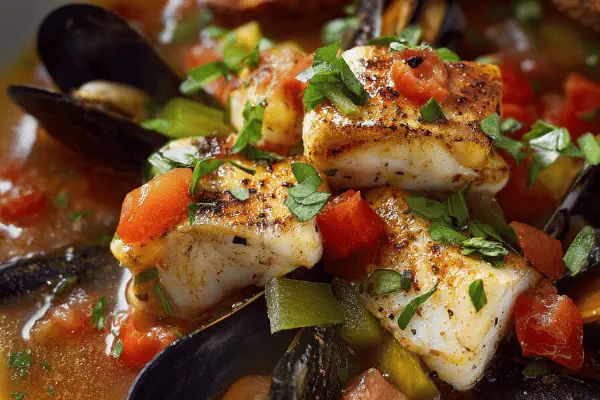
Fish broth remake

Crunchy Cinnamon Apple Fries
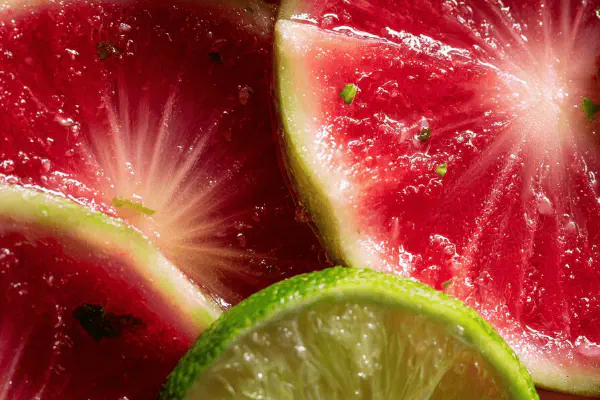
Candied Rhubarb Twist
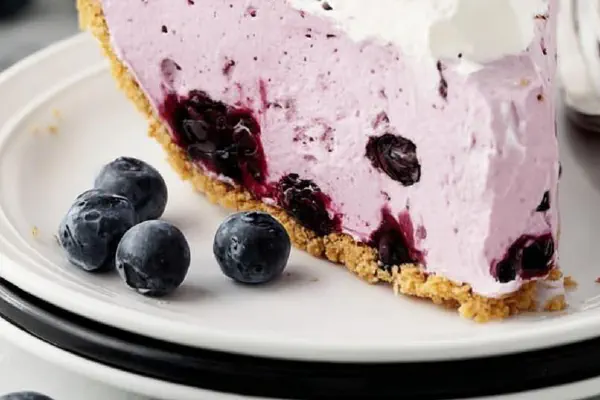
No Bake Berry Cream Pie
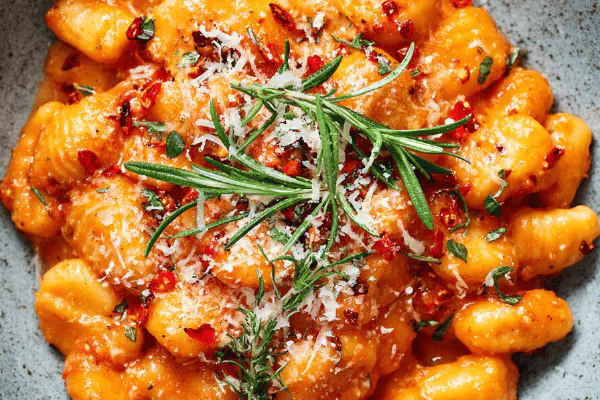
Rosemary Pink Sauce
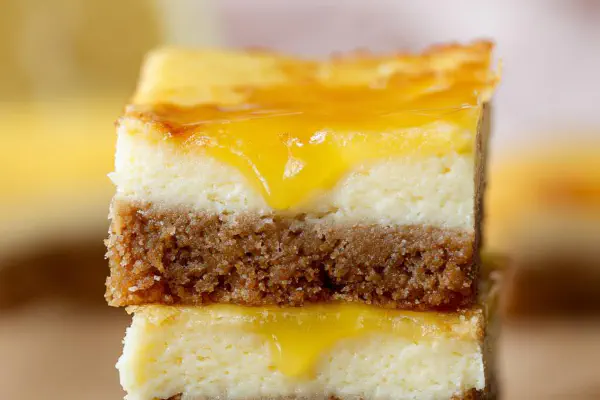
Lemon Cream Cheese Bars
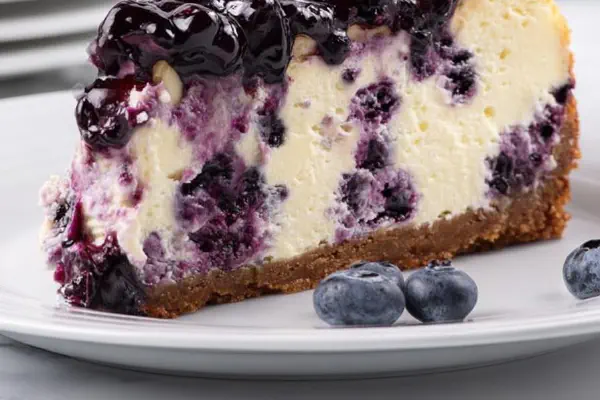
Blueberry Lemon Cheesecake
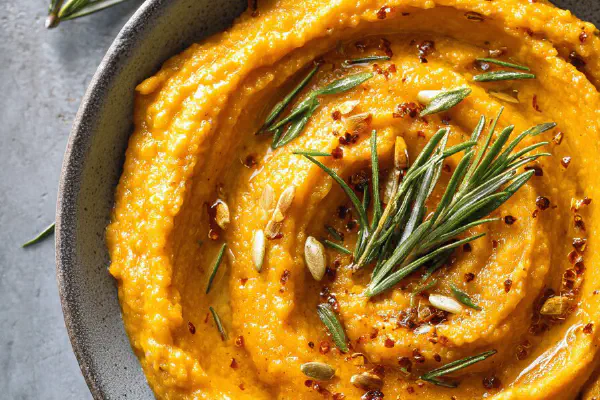
Roasted Pumpkin Purée

Scrambled Sausage Breakfast Tacos
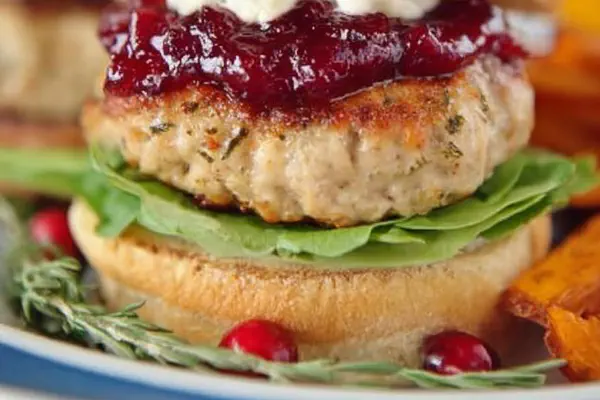
Turkey Burgers with Herbed Mayo
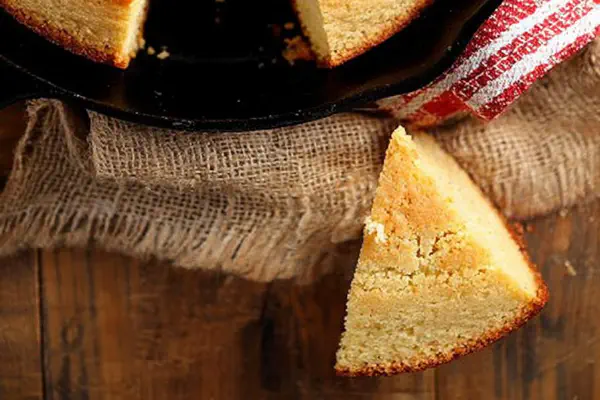
Twisted Iron-Crust Cornbread
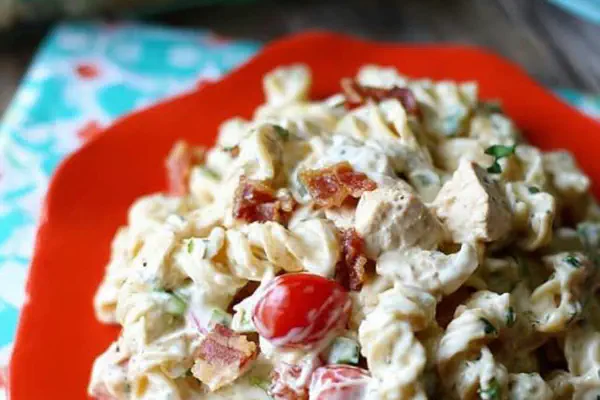
Chicken Bacon Ranch Salad
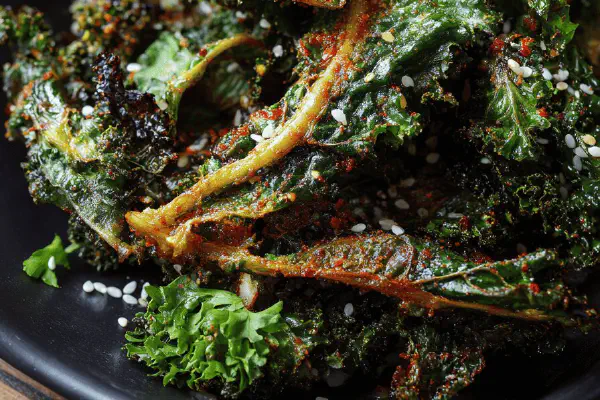
Kale Chips Trio
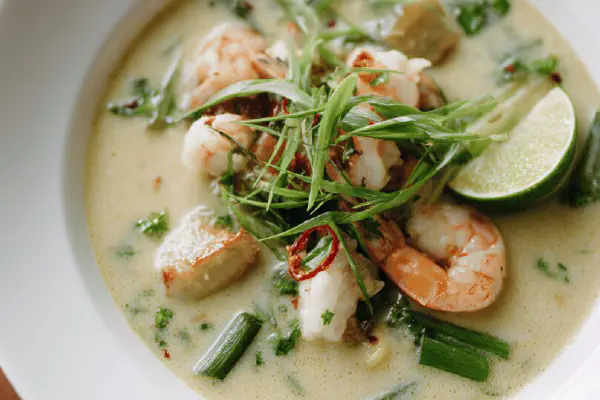
Coconut Lemongrass Broth

Vibrant Easter Egg Dyeing
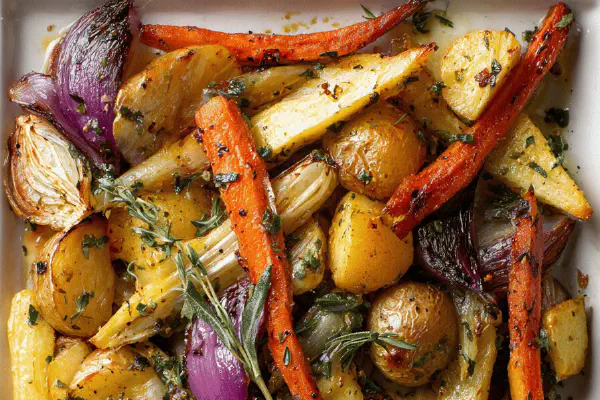
Roasted Root Medley
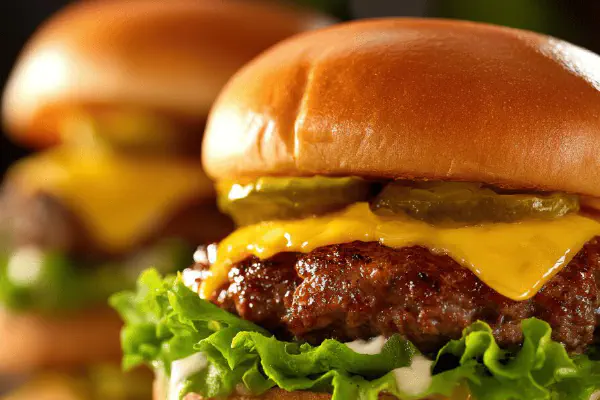
American-Style Double Burgers
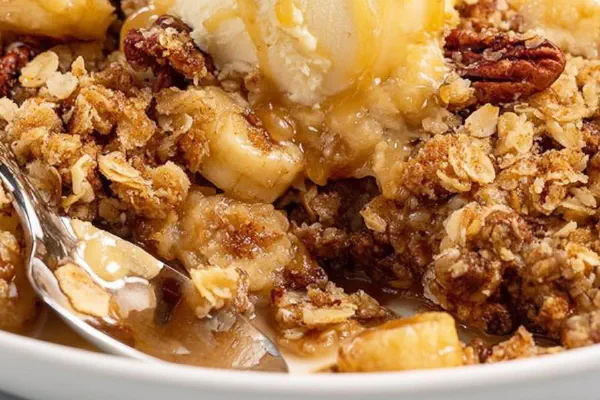
Banana Crisp Bake

Stuffed Cinnamon Monkey Bread

Almond Cream Cheese Pastry
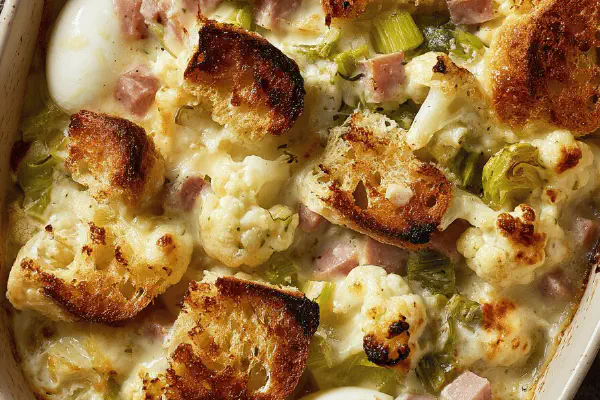
Cauliflower Ham Egg Gratin
Stuffed Veal Balls with Gruyere

Dark Mocha Fudge Cake
Zesty Garlic Butter Shrimp
Galette Royale Twist
Turkey Chilaquiles Twist
Sausage Shepherds Pie