Featured Recipe
Velvety Wild Grain Soup

By Kate
"
A hearty soup with a wild grain blend and root veggies stewed into a creamy base. Uses an easy béchamel for the creamy texture instead of heavy cream. Mushrooms and herbs build deep umami layers. Sturdier baby carrots and small new potatoes hold shape after simmering. A bay leaf adds background complexity. An herbal poultry seasoning blends in with garlic and onions for soul. Mild adjustments in browning butter and stirring the roux prevent bitterness and clumps. Ideal for those wanting a thick, cozy pot without the heaviness of cream alternatives. Great meal prep, freezes well.
"
Prep:
25 min
Cook:
55 min
Total:
1h 20min
Serves:
10 servings
soup
vegetarian
comfort food
Introduction
Skip fussing over cream. Thickening wild grain soup with a simple béchamel takes this from rustic to refined without heaviness dragging it down. Chunky carrots and baby potatoes offer bite nestled among chewy wild rice and mushrooms soaking up every drop of stock. Aromatics release their secrets slowly; onions and celery sweat to sweet release and mushrooms brown carefully. Timing matters just as much as stirring. You’ll learn to recognize when onion is translucent—not raw or burnt—when mushrooms start to caramelize but aren’t soggy, and when grains plump enough to chew but aren’t mush. Bay leaf and thyme provide layered herb complexity without shouting. This broth doesn’t just fill bowls, it holds them together. Every step sharpens senses—you’ll hear the sizzle, catch the subtle shift from liquid to luscious cream. And if substitutions needed? Easy. Swap cremini for shiitake or oysters. Chicken broth for veggie broth depending on mood or pantry. The goal is balanced patience, not rushed. The results? Soup that’s comfort and texture, no shortcuts.
Ingredients
In The Same Category · Comfort Bowls
Explore all →
Corn Potato Mash Twist
Country Cabbage Soup Twist

Hearty Crockpot Potato Chowder
Twist Cauliflower Gratin
Curried Tomato Cream Soup

Slow Cooker Chicken Chili
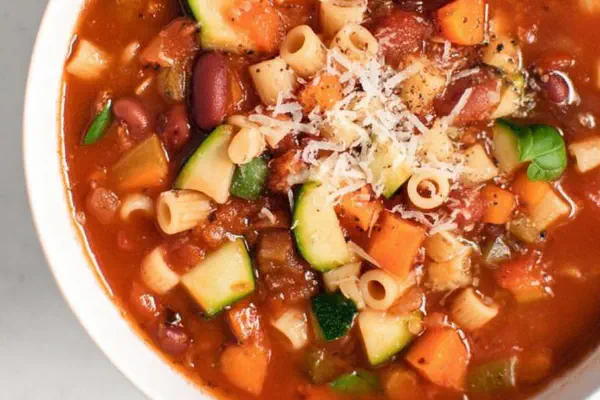
Chunky Minestrone Soup

Smoky Burger Chowder

Chicken Bowls with Roasted Eggplant Sumac Pitas
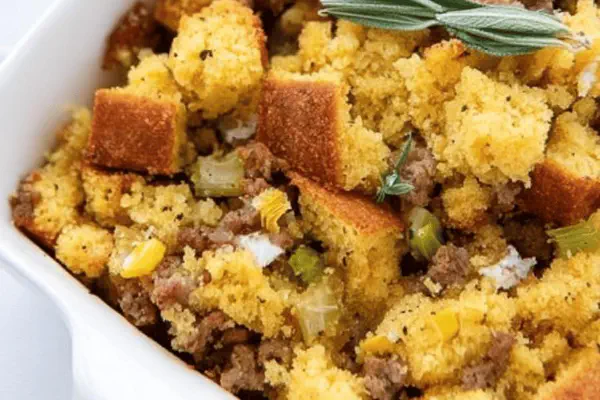
Cornbread Sausage Stuffing

Pineapple Cheddar Bake
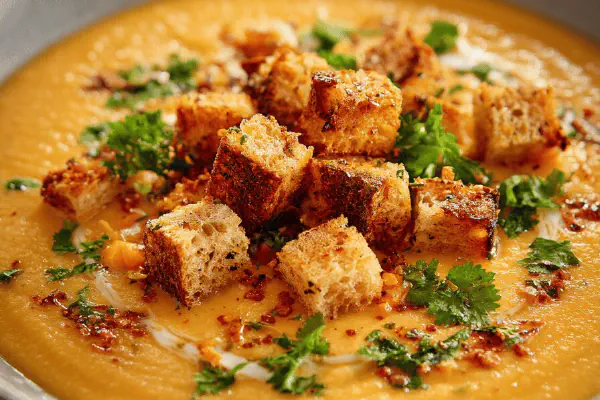
Cauliflower Ginger Curry Velouté
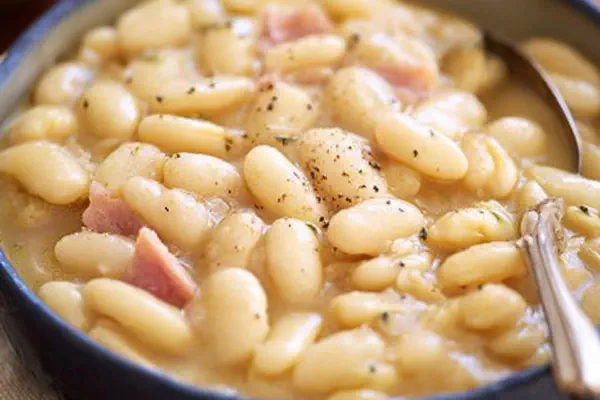
Smoky Lima Beans

Slow Cooker Mac and Cheese Remix

Broccoli Sausage Stuffed Potatoes
Sausage Tortellini Soup

Roasted Parsnip Onion Soup

Spicy Chicken Tomato Corn Soup
Beef Barley Pressure Soup

Spiced Butternut Squash Soup

Ultimate Crowd Mac Cheese
Pasta Salad with Pesto Burrata
Chicken Dumpling Stew
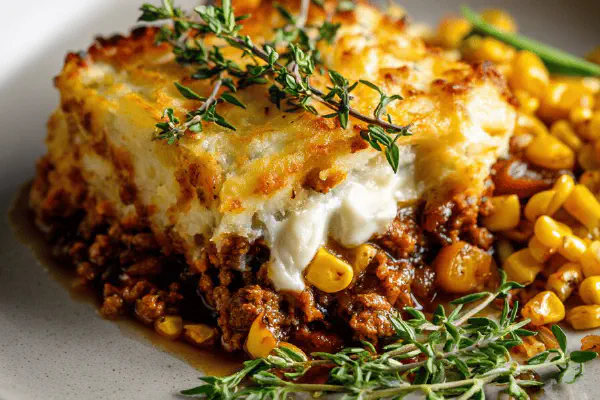
Cheesy Rustic Shepherd's Pie
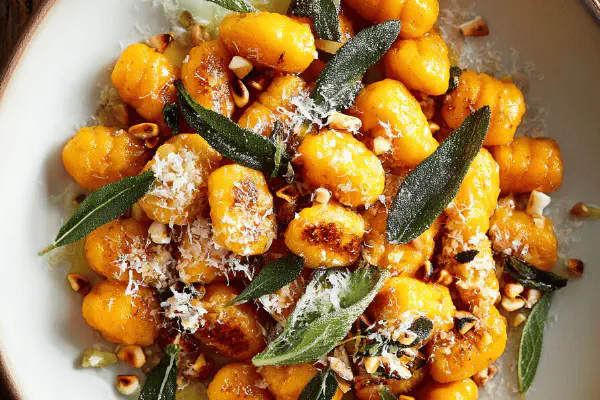
Gluten-Free Gnocchi Sage Butter
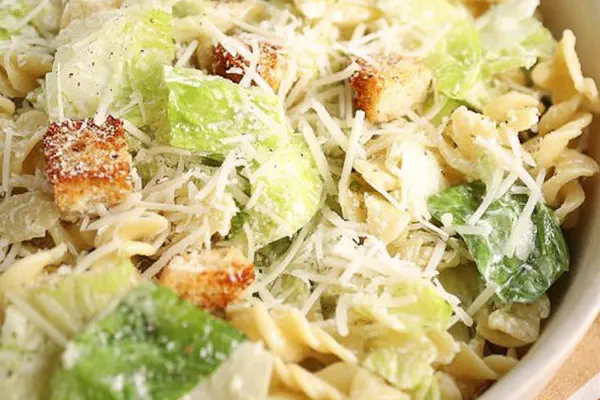
Twisted Pasta Caesar Salad
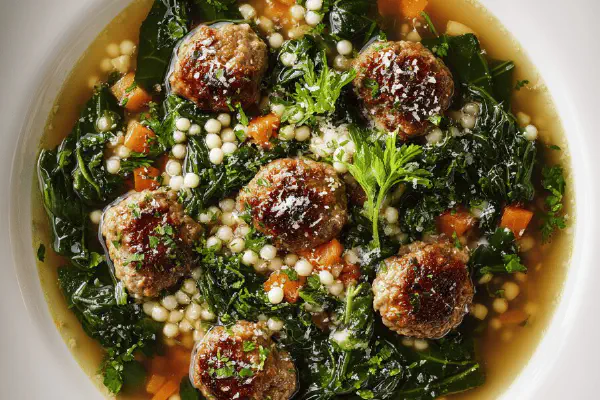
Italian Wedding Soup Remix
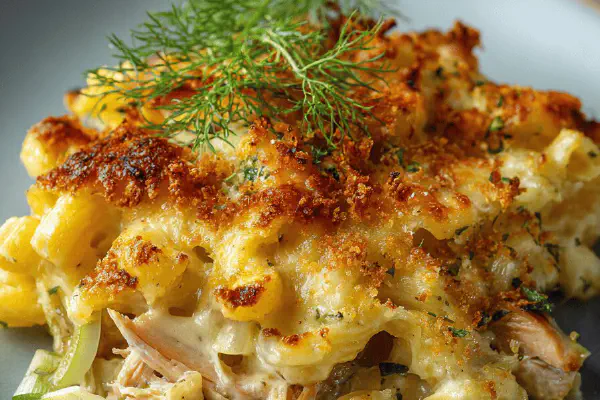
Duck Mac and Cheese Twist

Apple Potato Rösti
About the ingredients
Butter’s role in sautéing and béchamel essential for flavor and texture. Salt and pepper are baseline; adjust quietly after béchamel enriches liquid. Poultry seasoning adds subtle herbal warmth but can swap for Herbes de Provence or Italian seasoning if in a pinch. Cremini mushrooms deliver umami without overpowering; shiitakes or oyster mushrooms work as alternatives but account for stronger flavors. Baby new potatoes stand up better to simmering than russets; red or gold skin preferred for aesthetics. Wild rice blend adds chew and nuttiness missing in white rice. Whole milk preferred for béchamel but 2% works with slightly less richness, whole cream is overkill here. Flour must be cooked thoroughly but never browned—burnt roux introduces bitterness and grainy mouthfeel. Vegetable or chicken broth based on dietary preference; low sodium definitely better to control saltiness later. Fresh thyme, added at simmer, gives gentle herbal notes; don’t substitute dried—I’d add it with the poultry seasoning instead. Bay leaf is a background note so remember to remove before serving; biting into one ruins the experience.
Method
Technique Tips
Butter melts foamy but not browned is the first test. Sauté aromatic vegetables slowly so sugar in onions caramelizes without burning. Stir often but don’t rush. Mushrooms absorb liquid then release; watch for them to brown and firm up but not turn rubbery. Using wild rice blend means varying grains cook differently; that’s why occasional stirring and adjusting simmer temperature vital to keep from sticking or uneven cooking. Covering pot traps heat for even cooking but check occasionally to avoid boiling over and to scrape bottom—rice sticks fast and burns easily. Making béchamel separately and pouring in last prevents lumps and ensures creamy texture. Whisking warm milk gradually into roux key. Never add cold milk directly or mix without whisking or you get gloopy lumps. The moment sauce thickens yet remains fluid is perfect to combine with soup. Final simmer merges flavors and thickens broth. Season last as béchamel dilutes salt slightly. Bay leaf and thyme sprigs removed before serving, no one wants fibrous bits in soup. Store leftovers carefully—thick soups can tighten in fridge but a quick rewarm with splash of broth or milk resets texture.
Chef's Notes
- 💡 Choose a sturdy pot. Heavy stockpot retains heat. Helps sauté onions slowly to sweet perfection. Watch heat; caramelizing sugars matters. Don’t rush or burn.
- 💡 When sautéing, keep stirring. Ingredients release moisture, then absorb back. Look for translucent onions, firm carrots. Smell should be sweet, earthy. No burnt odor.
- 💡 For béchamel, warm milk but avoid boiling. Stir halfway if using microwave. Essential for even cooking. Cold milk? Lumps will form. Warmth ensures smooth texture.
- 💡 Simmer gently, check rice and potatoes every few minutes. Stir well to avoid sticking. If sticking happens, lower heat, add more broth if needed.
- 💡 Storing leftovers? Tighten in fridge. Add splash of broth or milk when reheating. Restores creaminess. Check seasoning again after reheating.
Kitchen Wisdom
Can I use different grains?
Yes, swap wild rice for quinoa or barley. Adjust cooking time. Quinoa cooks faster. Monitor liquid levels.
What if I lack fresh herbs?
Use dried herbs instead. Not as potent. Add with sauté instead of thyme sprigs later. Adjust quantity to taste.
Soup is too thick. What should I do?
Thin with broth or milk. Stir while adding. Check seasoning; adjust salt after thinning again.
Can I freeze the soup?
Absolutely. Use freezer-safe containers. Leave space for expansion. May thicken on freezing so rewarm carefully.
You’ll Love These Too
Explore all →
Savory Sweet Onion Fritters
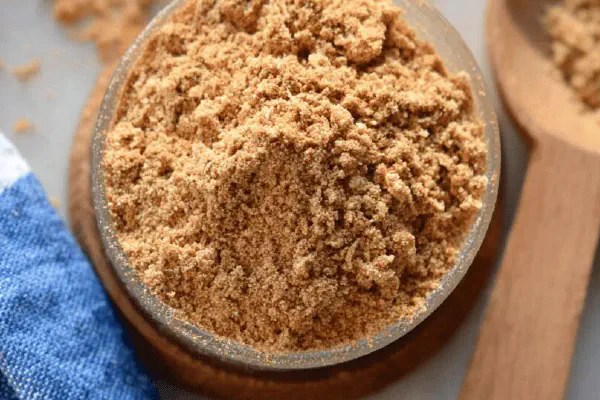
Smoky Citrus Fajita Rub
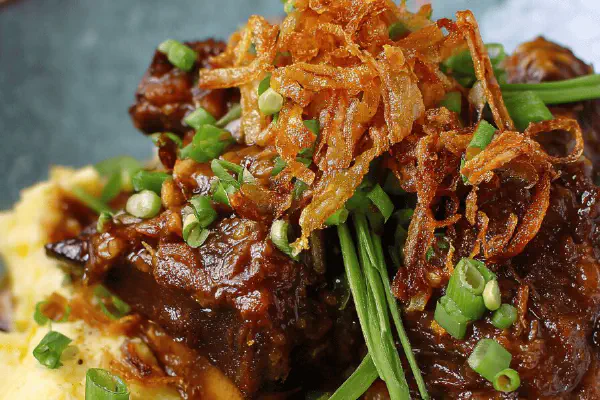
Slow-Cooked Beef Ribs and Creamy Potato Smash

Grapefruit Mint Tonic
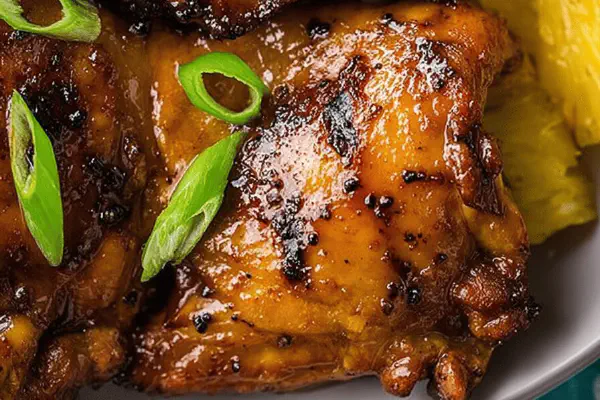
Huli Huli Chicken Twist

Crispy French Shallots with Semolina

Chocolate Chip Swirl Bundt Cake

Silken Tofu Peanut Bowls

Almond Cream Cheese Pastry

Rich Vanilla Custard Twist

Hummingbird Cake Twist

Rustic Pork Pâté

Instant Pot Coconut Yogurt
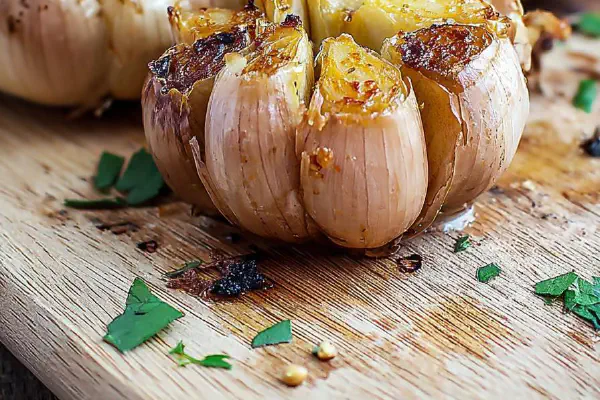
Oven Roasted Garlic Twist

Chicken Dipper Sauce

Broccoli Cheese Soup Twist

Chorizo Cream Cheese Dip

Amaretto Ginger Fizz

Cauliflower Cream Verrines

Twisted Cheese Garlic Toast

Grilled Pears with Maple Lime Glaze
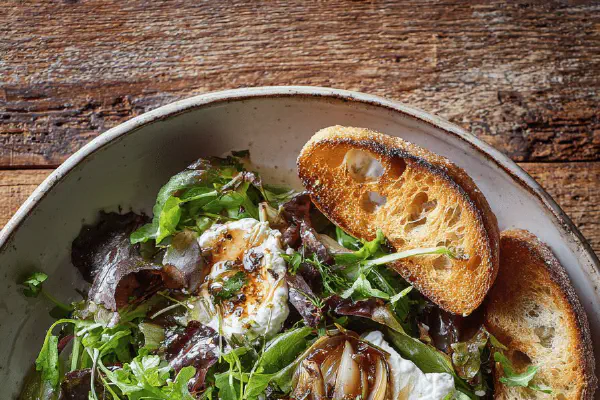
Onion Goat Cheese Salad

Eggnog Spice Pound Cake

Pineapple Upside-Down Cake Remix

No Bake Strawberry Cheesecake Bites
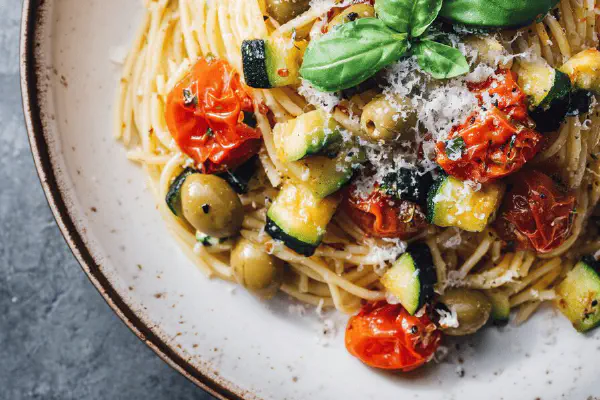
Cherry Tomato Zucchini Spaghetti
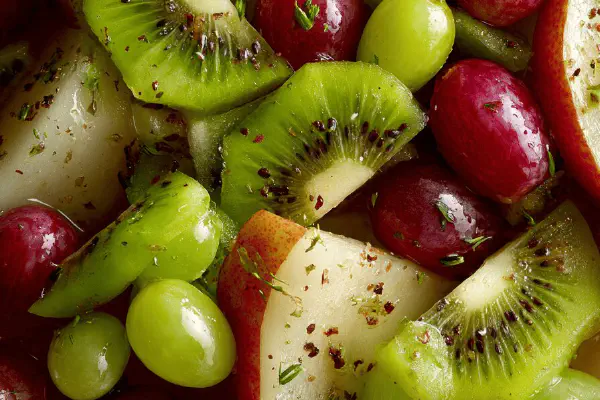
Pear Grape Salad Twist

Garlic Shrimp Skewers Twist
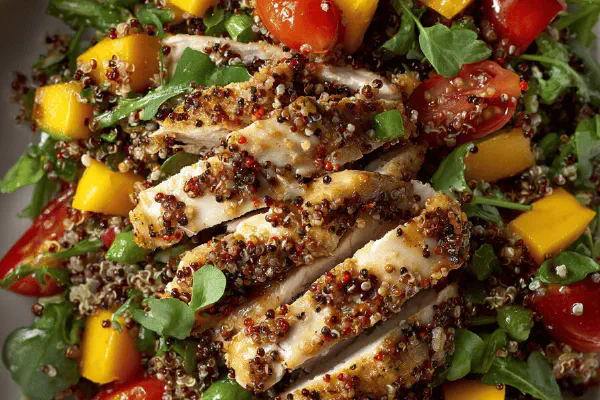
Grilled Chicken Mango Quinoa Salad